
Sports nutrition for young athletes is one of the most important yet overlooked factors in youth sports performance, directly impacting energy levels, recovery speed, injury resistance, and long-term growth. Whether your child plays soccer on weekends or trains six days a week for competitive swimming, what they eat and drink before, during, and after activity determines how well their body performs and recovers.
Unlike adult athletes, young athletes have unique nutritional needs. Their bodies are still growing, their metabolisms work differently, and they’re more susceptible to dehydration and blood sugar fluctuations. This guide breaks down exactly how much to feed a young athlete, what to serve and when, whether supplements are worth it, and the warning signs that your child isn’t getting enough fuel.
Quick Answer
Young athletes need enough total calories to cover both growth and training — often several hundred more than sedentary kids the same age — with roughly 0.5 grams of protein per pound of body weight (about 1.1 g/kg) spread across the day, a carbohydrate-rich meal 2-3 hours before activity, water every 15-20 minutes during exercise, and a carb-and-protein recovery snack within an hour afterward. Protein powder and creatine are rarely necessary for kids and aren’t recommended by the American Academy of Pediatrics (AAP) for anyone under 18.
Why Youth Athletes Need Special Nutrition
Growing bodies already demand more nutrients than sedentary children need — add the demands of regular training, and the stakes rise further. The AAP emphasizes that young athletes need sufficient calories, carbohydrates, protein, and micronutrients (especially iron, calcium, and vitamin D) to support both growth and physical performance at the same time, which is a bigger ask than most adult training diets have to manage.
Sports nutrition for young athletes isn’t about strict diets or calorie counting. It’s about building eating patterns that fuel activity, support recovery, and create a positive relationship with food. Poor nutrition can show up as fatigue during games, slower recovery between sessions, higher injury risk, and even trouble concentrating in school — if your child seems consistently tired during practice, nutrition may be the missing piece.
How Many Calories Do Young Athletes Actually Need?
Calorie needs vary widely by age, sex, body size, sport, and training volume, so there’s no single number that fits every athlete — but general ranges are useful for planning meals. Female teen athletes typically need somewhere around 2,200-3,000 calories a day, while male teen athletes typically need roughly 3,000-4,000, with kids in multiple sports or heavy training blocks sometimes needing more.
During a growth spurt, calorie needs can jump by several hundred calories a day even without any change in training load — this is normal and shouldn’t be restricted. Younger athletes (ages 9-13) generally fall toward the lower end of these ranges, but a child who trains daily or plays year-round can still need noticeably more than a less active peer. When in doubt, watch performance and energy levels rather than fixating on an exact number: a child who is constantly hungry, losing weight unintentionally, or dragging through the second half of practice is very likely under-fueled.
Protein for Young Athletes: How Much and From What Foods
Protein needs are higher for young athletes than for non-athletic peers, but not dramatically so — extreme high-protein diets aren’t necessary and can crowd out the carbohydrates that fuel training. A commonly cited benchmark from pediatric guidance is about half a gram of protein per pound of body weight per day (roughly 1.1 g/kg); for a 110-pound young athlete, that works out to around 50-55 grams daily, spread across meals and snacks rather than loaded into one sitting.
Whole foods should do almost all of the work: eggs, chicken, fish, Greek yogurt, milk, beans, lentils, tofu, nuts, and cheese are all easy ways to hit protein targets without supplements. Spreading protein across breakfast, lunch, a post-practice snack, and dinner — instead of skipping it earlier in the day and overloading dinner — helps the body use it more effectively for muscle repair and recovery.
Carbohydrates and Fats: The Rest of the Plate
Carbohydrates are the primary fuel for young athletes’ muscles and brains, and they should make up the largest share of the plate — whole grains, fruit, starchy vegetables, and dairy all count. Cutting carbs to ‘eat clean’ or lose weight is one of the fastest ways to tank a young athlete’s energy, mood, and performance, and it’s a common mistake well-meaning parents make.
Healthy fats (avocado, olive oil, nuts, seeds, fatty fish) support hormone production and long-term growth and shouldn’t be avoided, but they digest slowly, so they’re better suited to meals eaten well before activity than to pre-game snacks.
Pre-Game and Pre-Practice Meals
What your child eats before competition or training sets the stage for their entire performance. The goal is to top off energy stores without causing stomach discomfort.
2-3 hours before activity, serve a balanced meal with complex carbohydrates, moderate protein, and low fat: whole grain pasta with lean chicken and vegetables, a turkey sandwich with fruit, a rice bowl with grilled fish and steamed broccoli, or oatmeal with banana and a small portion of nuts.
30-60 minutes before activity, if your child needs a snack, keep it light and carb-focused: a banana or apple slices, a small granola bar, crackers with a thin layer of peanut butter, or a handful of pretzels. Avoid high-fat, high-fiber, or heavily processed foods close to game time — they digest slowly and can cause cramping, bloating, or sluggishness on the field.
Hydration: The Most Critical Factor
Dehydration is the single biggest nutritional threat to young athletes. Children are more vulnerable to heat-related illness than adults because they produce more heat relative to their body size and sweat less efficiently.
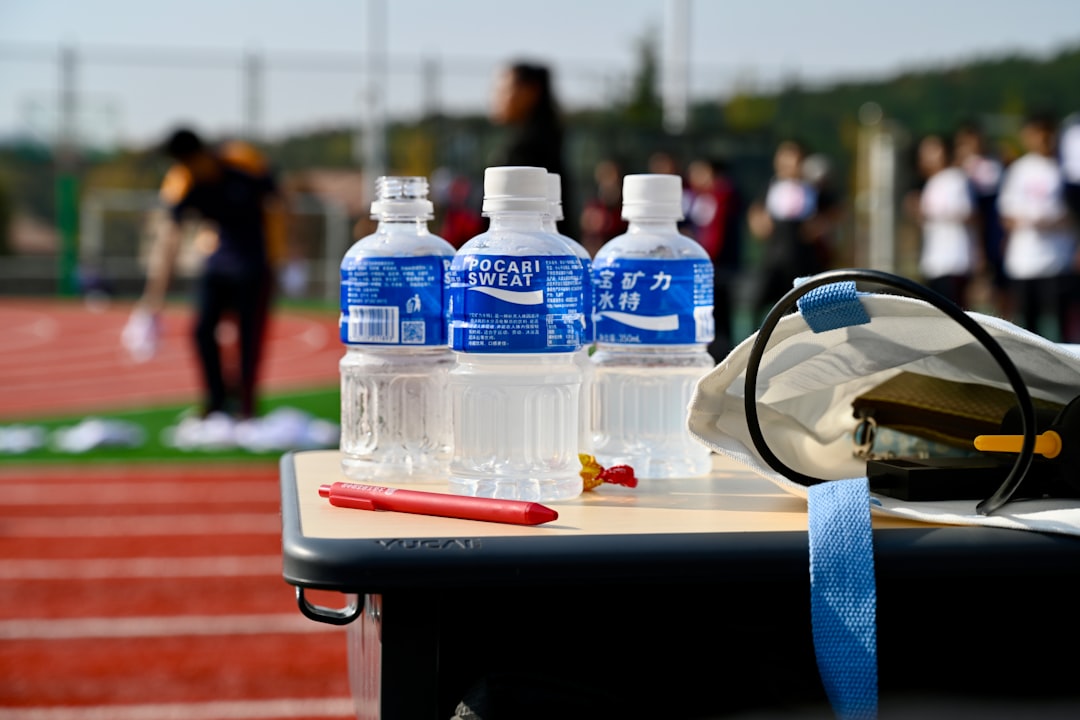
General hydration guidelines: 8-16 ounces of water 1-2 hours before activity; 4-8 ounces every 15-20 minutes during activity; and 16-24 ounces for every pound of body weight lost during exercise afterward. Water is the best choice for activities lasting under 60 minutes. For intense sessions longer than an hour, a sports drink with electrolytes can help replace sodium and potassium lost through sweat — but the Academy of Nutrition and Dietetics cautions against giving kids sugary sports drinks for casual, short activity. A simple check: urine should be pale yellow. Dark yellow signals dehydration; clear urine may mean over-hydration.
Post-Game Recovery Nutrition
What your child eats after training matters just as much as what they eat before. The 30-60 minute window after intense exercise is when the body is primed to replenish glycogen and repair muscle tissue.
An ideal recovery snack uses roughly a 3:1 ratio of carbohydrates to protein: chocolate milk (one of the best recovery drinks available), Greek yogurt with granola and berries, a peanut butter and jelly sandwich, a fruit-and-yogurt smoothie, or trail mix with dried fruit and nuts. Follow the snack with a full balanced meal within about 2 hours — lean protein, complex carbohydrates, vegetables, and healthy fats.
Sample Game Day Nutrition Plan
Morning game (10 AM start): 7:00 AM breakfast — scrambled eggs, whole wheat toast, orange juice; 9:00 AM light snack — banana and a few crackers; water every 15-20 minutes during the game; chocolate milk and a granola bar after; a full balanced meal at lunch within 2 hours.
Afternoon game (2 PM start): normal breakfast around 8:00 AM; lunch around 11:00 AM — pasta with lean protein and vegetables; light snack around 1:00 PM — apple slices or pretzels; water or a diluted sports drink during the game; a recovery snack followed by dinner within 2 hours.
Should Young Athletes Take Protein Powder, Creatine, or Other Supplements?
In most cases, no. A young athlete eating a varied diet can meet protein and micronutrient needs through food alone, and the AAP recommends against performance supplements for kids and teens — not because of proven toxicity, but because dietary supplements are far less regulated than food, sometimes contain contaminants or undisclosed banned substances, and can displace the whole-food habits that actually drive performance.
Creatine specifically has research support for adult athletes, but the AAP does not recommend it for young athletes due to a lack of long-term safety data in this age group. Energy drinks are a separate and clearer issue: they contain high levels of caffeine and sugar and the AAP strongly advises against energy drink consumption for anyone under 18. If a coach, teammate, or product recommends a supplement, talk to your child’s pediatrician or a registered dietitian first — and if you do use a protein powder, choose one that’s third-party tested (look for NSF Certified for Sport or Informed Sport on the label).
Special Considerations: Vegetarian Athletes and Female Athletes
Vegetarian and vegan young athletes can absolutely meet their nutrition needs, but it takes a bit more planning — beans, lentils, tofu, tempeh, eggs (if not vegan), dairy or fortified plant milk, and nuts should appear at most meals to hit protein and iron targets without meat.
Female athletes, especially those training intensely with irregular or missed periods, are at particular risk for a condition called Relative Energy Deficiency in Sport (RED-S), where the body isn’t getting enough calories to support both training and normal hormonal function. Iron deficiency is common alongside it and can cause fatigue, poor performance, and reduced bone health. Missed periods in a young female athlete are not something to ‘wait out’ — they warrant a conversation with a pediatrician.
What to Avoid
Skipping meals: young athletes who skip breakfast or pre-game meals run out of energy faster and perform worse. Even if your child isn’t hungry before an early game, a small snack beats nothing.
Energy drinks: excessive caffeine and sugar make these inappropriate for kids; the AAP advises against them for anyone under 18.
Chronic under-eating or ‘clean eating’ restriction: cutting carbs, fats, or overall calories to control weight is one of the most common causes of fatigue, poor recovery, and injury in young athletes, and can contribute to RED-S over time.
Relying on supplements instead of food: whole foods should always come first, with supplements considered only after talking to a pediatrician or registered dietitian.
Photos
sports nutrition for young athletes FAQs
How much protein does a young athlete need per day?
A common benchmark is about 0.5 grams of protein per pound of body weight (roughly 1.1 g/kg), spread across meals and snacks. Most young athletes can hit this through food alone without protein powder.
How many calories should a young athlete eat?
It varies by age, sex, and training load, but female teen athletes generally need around 2,200-3,000 calories a day and male teen athletes around 3,000-4,000, with more needed during growth spurts or multi-sport training blocks.
Is it OK for kids to drink sports drinks?
For most practices and games under an hour, water is enough. Save electrolyte sports drinks for intense or extended (60+ minute) training, and avoid sugary versions for casual activity.
Is creatine safe for teenage athletes?
The American Academy of Pediatrics does not recommend creatine for young athletes because there isn’t enough long-term safety data in this age group, even though some sports-nutrition organizations consider it reasonably safe for older, supervised teen athletes.
What should a young athlete eat before a game?
A balanced meal with complex carbs, moderate protein, and low fat 2-3 hours before activity (like pasta with lean chicken), and a light carb-focused snack like a banana or crackers 30-60 minutes before if needed.
What’s the best recovery snack after practice?
Something with roughly a 3:1 ratio of carbs to protein, eaten within about an hour of finishing — chocolate milk, Greek yogurt with fruit and granola, or a peanut butter sandwich are all solid choices.
Can vegetarian kids get enough protein for sports?
Yes, with planning. Beans, lentils, tofu, eggs, dairy, and nuts at most meals can cover both protein and iron needs without meat.
Level Up With SportsSteps
Track your athlete’s progress, connect with coaches and your team, and grow — get the SportsSteps app. Get the SportsSteps App.
Want training tips and sports news in your inbox? Subscribe to the free newsletter.
3 thoughts on “Sports Nutrition for Young Athletes: The Ultimate Fueling Guide”