
Somewhere between the wobbly first seasons of tee-ball and the pressure-cooker world of travel teams sits a genuine sweet spot: ages 7 and 8. Kids this age have enough coordination and attention span to actually learn a sport, but they’re still young enough that trying five different ones costs them nothing but a few Saturdays.
This guide covers what makes 7 and 8 developmentally different from earlier ages, which sports tend to fit best, and the most common mistakes parents make when picking a sport during this window.
Track the journey. The free SportsSteps app lets athletes, parents, and coaches log progress, celebrate milestones, and stay connected with their team — on iOS and Android.
Quick Answer
For most 7- and 8-year-olds, the best sports are ones built around basic movement skills and small-sided fun rather than intense competition — soccer, swimming, gymnastics, tennis, martial arts, and flag football are especially good fits. The bigger goal at this age isn’t picking ‘the one’ sport, but sampling a few so kids build broad coordination and figure out what they actually enjoy.
Why 7 and 8 Is a Developmental Sweet Spot
Coaches and physical education researchers often describe ages roughly 6 to 9 as a ‘FUNdamentals’ stage — the window where kids are refining fundamental movement skills like running, jumping, throwing, catching, and changing direction, rather than sport-specific technique. By 7 and 8, most kids can hop, skip, balance, and track a moving ball noticeably better than they could at 5 or 6, which is exactly what makes structured games click for the first time.
It’s also a stage where attention span and rule-following have caught up enough for real practices and small games, but competitive stakes should stay low. The American Academy of Pediatrics and most youth sport development models recommend against specializing in a single sport this early — kids who sample multiple sports and delay specializing until their mid-teens tend to stay more engaged, get injured less, and often perform better later than kids who lock into one sport too soon.
Top Sport Picks for This Age
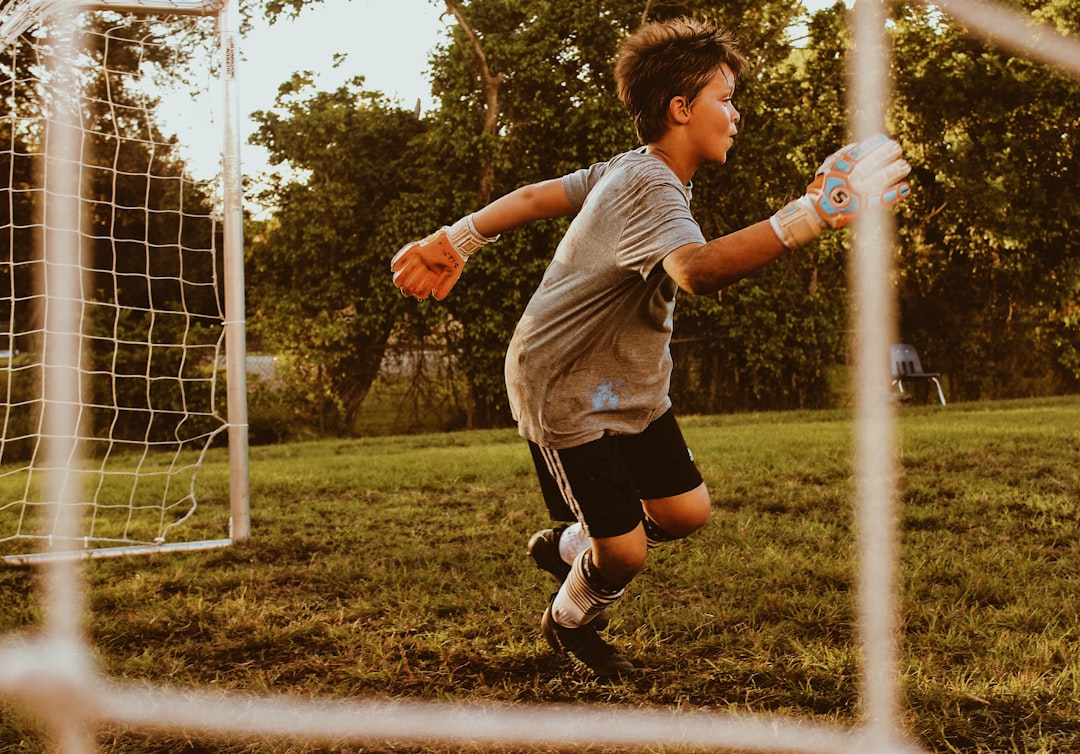
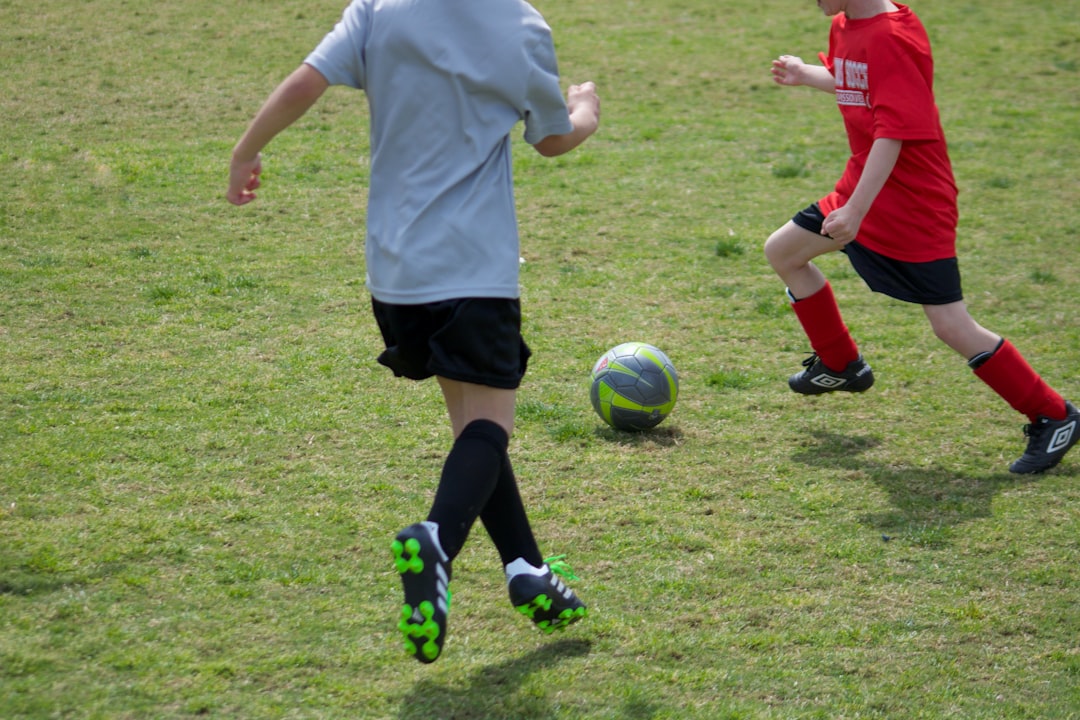
Soccer is a near-universal favorite at this age because the game itself teaches conditioning, teamwork, and coordination without much technical instruction — kids just run, kick, and figure it out. Most rec leagues also use small-sided formats (like 5v5 or 7v7) at this age, which means way more touches on the ball per kid than a full-sized game.
Swimming is one of the best full-body options: it’s low-impact on growing joints, builds real cardiovascular fitness, and doubles as a safety skill. Gymnastics is excellent for kids who like tumbling and climbing — it builds core strength, flexibility, and body awareness that transfers into almost every other sport later on.
Tennis and other racket sports (like short-court or mini-tennis programs designed for this age) work well because they’re taught in scaled-down formats with slower balls and smaller courts, which keeps early failure rates low and fun high. Martial arts (judo, karate, taekwondo) are strong picks for kids who want structure, discipline, and a clear belt-based sense of progress. Flag football and basketball are also solid choices — both are usually run as simplified, non-contact or limited-contact versions at this age, with an emphasis on basic skills over strategy.
None of these need to be an only choice. A common and healthy pattern at 7 and 8 is one team sport per season (like soccer in fall, basketball in winter) alongside a year-round individual activity like swim lessons or a gymnastics class.
Tips and Common Mistakes
The biggest mistake at this age is over-committing to one sport too early, whether that’s a demanding travel team or year-round training in a single activity. Overuse injuries and burnout show up disproportionately in kids who specialize young, and pediatric guidance consistently points toward multi-sport sampling through at least early adolescence.
A second common mistake is judging ‘talent’ too early. Skill gaps at 7 and 8 usually reflect birth month, prior exposure, or a growth spurt more than long-term potential — a late bloomer at this age can easily catch up and pass early standouts within a couple of years.
Practically, look for leagues that emphasize small-sided games, guarantee playing time, and de-emphasize the scoreboard — these features tend to correlate with better coaching for this age group. And when trying a new sport, give it a full season before deciding it’s not for your kid; the first few practices of any new sport are often the most awkward and least fun part of the whole experience.
Explore more: More youth sports guides.
Best sports for 7- and 8-year-olds FAQs
Is 7 or 8 too young to start a sport for the first time?
No — this is actually a common and well-timed age to start, since most kids now have the coordination and attention span to learn basic rules and skills. Many kids start even earlier with informal play, but 7-8 is a normal on-ramp for organized team sports.
Should my 7- or 8-year-old play more than one sport?
Generally yes. Pediatric and youth-development guidance favors sampling multiple sports at this age over specializing in one, since it builds broader athletic skills and lowers the risk of overuse injury and burnout later on.
What if my child isn’t good at the sport they chose?
That’s normal and expected at this age — skill differences at 7-8 are more about exposure and physical timing than lasting ability. Focus on effort, fun, and basic skill growth rather than performance, and stay open to trying a different sport next season if interest fades.
Level Up With SportsSteps
Track your athlete’s progress, connect with coaches and your team, and grow — get the SportsSteps app. Get the SportsSteps App.
Photo: Lukas / CC0, via Wikimedia Commons.
Related: Best Sports for Kids 6-8: Boys & Girls, Compared by Age
1 thought on “Best Sports for 7- and 8-Year-Olds: The Sweet Spot Years”
Comments are closed.