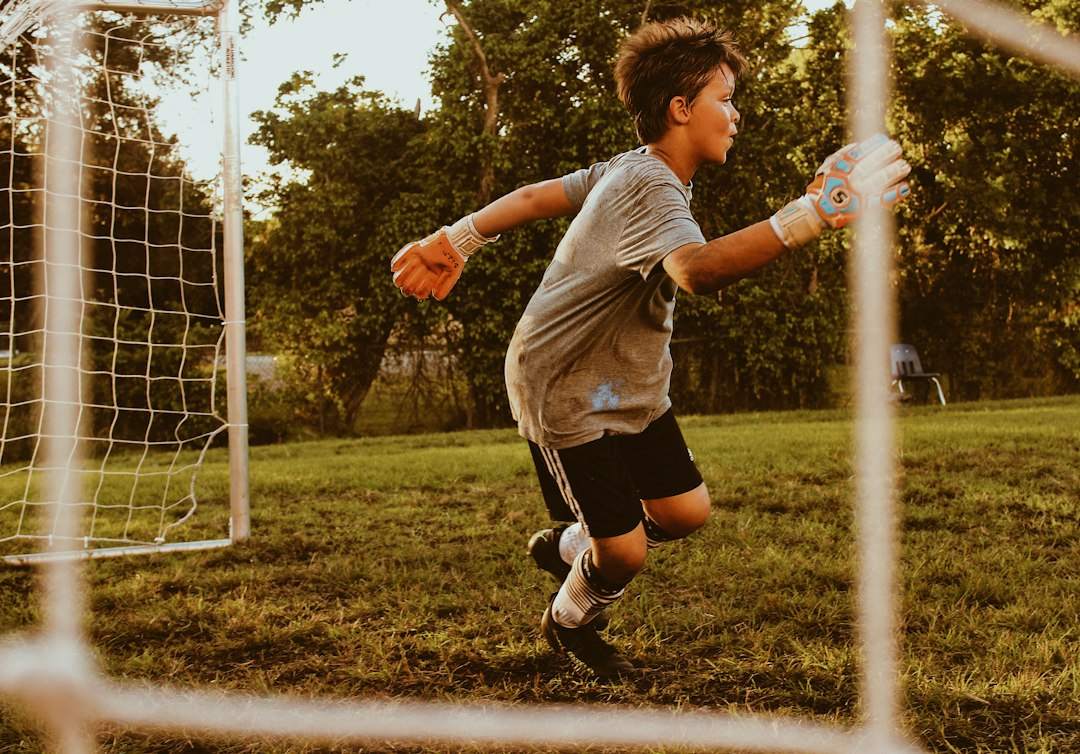
If your child is noticeably shorter or lighter than their classmates, you’ve probably already seen how it plays out on a field or court — getting boxed out under the rim, losing 50-50 balls to bigger kids, or just feeling overlooked for a starting spot. The good news is that height and weight matter a lot less in some sports than others, and in several, being small is a genuine edge rather than a handicap.
This guide walks through which sports tend to reward smaller athletes, why, and how to help your child pick one where their size works for them instead of against them — without steering them away from something they simply love.
Quick Answer
Sports with weight classes (wrestling, judo, taekwondo, boxing), sports where a low center of gravity and agility matter more than height or reach (gymnastics, diving, figure skating, soccer), and endurance sports where a lighter frame is easier to carry over distance (distance running, cross country) are generally the best fits for kids who are small for their age.
Sports Where Small Size Is an Advantage
Gymnastics is the clearest example: a compact, lighter frame makes rotations, tumbling, and bar work easier to control, and most elite gymnasts are on the smaller side for exactly this reason. Diving shares the same physics — less mass to rotate means cleaner twists and flips.
Wrestling, judo, taekwondo, and boxing use weight classes, so your child competes only against kids of similar size — strength and size differences within a class are usually small, which levels a field that’s otherwise tilted toward bigger athletes. These sports also reward leverage, flexibility, and technique over raw mass, which tends to favor smaller, wiry kids.
Soccer rewards a low center of gravity and quick changes of direction, both of which come more naturally to smaller players — many top professional midfielders and wingers are notably shorter than their teammates. Figure skating and competitive cheer work similarly, favoring compact builds for rotations and tumbling.
Distance running and cross country also tend to favor a lighter frame, since there’s less body mass to carry over long distances — though as with any sport, technique, pacing, and training consistency matter at least as much as build.
Sports Where Size Still Helps (and What to Consider)
Basketball, football (especially line positions), volleyball, and rowing tend to reward height and mass directly — a smaller kid can still succeed in these, especially in skill positions like point guard, soccer-style kicker, libero, or coxswain, but they’ll generally be fighting an uphill battle against taller peers as they get older.
Swimming is a mixed case worth calling out: technique, kick timing, and conditioning matter enormously and can let a smaller child hold their own for years, especially before puberty. But research on youth and adolescent swimmers consistently finds that height and arm span are linked to stroke length and swimming speed, so taller kids with a longer reach do tend to gain a real edge as competition gets more serious — buoyancy doesn’t fully cancel out size the way it’s sometimes assumed to.
It’s also worth remembering the ‘relative age effect’: kids born later in their sport’s selection year, or who simply mature later than peers, are often smaller for their age group but go on to become just as skilled or more skilled once everyone catches up physically. Early success in a size-dependent sport isn’t a reliable predictor of long-term potential, and early struggles due to size aren’t either. Many coaches and youth sports organizations now specifically caution against writing off smaller or younger-for-grade kids too early.

Tips / Common Mistakes
Let your child try more than one sport before specializing — sampling several activities in the early years helps identify where their specific strengths (speed, flexibility, technique, endurance) actually show up, rather than assuming size alone determines fit.
Don’t pull a small kid out of a sport just because they’re currently being outmuscled by bigger peers — ask whether the issue is size or skill/technique, since the latter is coachable and the former often evens out with puberty.
In weight-class sports, make sure any cutting or manipulation of weight is avoided for young kids — reputable youth wrestling and judo programs set minimum healthy weight practices for a reason.
Watch for sport-specific overuse injuries in repetitive, high-impact disciplines like gymnastics and distance running, and make sure strength and conditioning work is age-appropriate rather than skipped because a child is small and ‘doesn’t need it.’
Prioritize enjoyment and a good coach over the theoretical ‘best’ sport for a given body type — a motivated kid in a slightly less size-favorable sport will usually outperform a disengaged one in a ‘perfect fit’ sport.
Explore more: more youth sports guides.
Best Sports for Small Kids FAQs
What is the single best sport for a small kid?
There’s no single best answer, but gymnastics, wrestling (or judo/taekwondo), soccer, and diving are the most commonly recommended because size either doesn’t matter or becomes a genuine advantage in each.
Will my small child eventually grow and catch up to taller peers?
Growth timing varies a lot by child, and many kids who are small early on have a later growth spurt and end up average or above-average height as teens. This is part of why coaches caution against judging long-term athletic potential based on size in elementary or middle school.
Should I avoid putting a small kid in basketball or football?
Not necessarily — skill positions (point guard, kicker, wide receiver) can still work well, and many successful athletes in these sports were small as kids. Just go in aware that height and mass become bigger factors as competition gets more serious.
Is swimming a good option for a small child?
It can be, especially at younger ages where technique and conditioning carry a lot of weight. But don’t assume water fully erases the size gap — studies on youth swimmers show height and arm span are tied to stroke length and speed, so it’s less of a guaranteed size-neutral sport than gymnastics or wrestling.
Are weight-class sports safe for young kids?
Yes, when run through a reputable youth program that follows age-appropriate weight and safety guidelines — the weight-class structure itself is what makes wrestling, judo, and taekwondo fairer for smaller athletes in the first place.
Level Up With SportsSteps
Track your athlete’s progress, connect with coaches and your team, and grow — get the SportsSteps app. Get the SportsSteps App.
Want training tips and sports news in your inbox? Subscribe to the free newsletter.
Photo by Baylee Gramling on Unsplash.