
Choosing Team Captains That Actually LeadCoaching

choosing team captains

Choosing Team Captains That Actually Lead

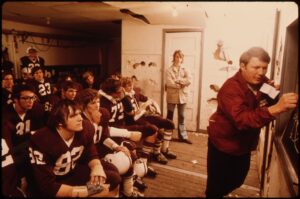
Every coach has made this mistake at least once: naming the most talented player captain, only to watch them freeze up the first time a teammate needed a hard conversation instead of a highlight-reel play. Talent and leadership aren’t the same skill, and treating them as interchangeable is the single most common reason captaincies fail … [Read More…]

halftime talk structure

Halftime Talks That Change Games: Structure Over Speeches

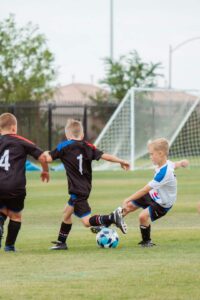
Most halftime talks fail for the same reason: the coach tries to say everything. Fifteen points, a tactical lecture, and a motivational close all crammed into the walk from the field to the locker room and back — and players remember almost none of it. The talks that actually change the second half aren’t longer … [Read More…]

managing playing time complaints

Managing Playing Time Complaints at Every Level

Nothing tests a coach’s patience like the playing time conversation. It shows up in a terse email after a rec league loss, a parent waiting by the parking lot after a middle school game, or a formal meeting request from a varsity family who feels their kid has earned more minutes. Handled poorly, it eats … [Read More…]

giving feedback athletes actually hear

How to Give Feedback Athletes Actually Hear

You can be right about a mistake and still lose the athlete the moment you open your mouth. Tone, timing, and wording decide whether feedback lands as coaching or as criticism — and athletes who feel judged tend to tune out the very information that could help them improve. This guide breaks down what sports … [Read More…]

60 minute practice planning

How to Run an Effective 60-Minute Practice for Any Age

An hour on the field or court can either fly by with players sweating, learning, and having fun, or it can drag through standing in lines while attention wanders. The difference almost always comes down to structure: how the coach breaks the 60 minutes into blocks, how long each drill runs before switching, and how … [Read More…]

coaching an adult rec team

How to Coach Your Peers: Leading an Adult Rec Team

Coaching a youth team is one thing — coaching people your own age, some of whom you carpool with or grab beers with after games, is a different skill entirely. You don’t have the built-in authority of an adult talking to kids. You’re a peer who’s been handed (or who volunteered for) a whistle, and … [Read More…]

coaching adults vs kids

Coaching Adults vs Kids: What Changes and What Doesn’t

Switch from coaching a youth team to running an adult session and the same drill can land completely differently. Adults show up with baggage — old habits, self-consciousness about looking clumsy, a job to get back to — while kids show up mostly wanting to move and have fun. Neither group is harder to coach, … [Read More…]

windmill pitching motion

How to Teach a Youth Softball Pitcher the Windmill Motion

Teaching a young pitcher the windmill motion can feel overwhelming because so much has to happen in under a second: a full arm circle, a stride, a hip turn, and a wrist snap, all timed together. The good news is you don’t have to teach it in one piece. This guide breaks the windmill delivery … [Read More…]

youth softball practice plan for ages 8 10

Youth Softball Practice Plan for Beginners Ages 8-10

Coaching 8- to 10-year-olds is less about winning games and more about giving every kid enough reps that softball starts to feel fun instead of confusing. The biggest mistake new coaches make is running practice like a lecture, with one line of kids waiting while one kid fields a ball. At this age, attention spans … [Read More…]

10 minute no equipment dynamic warm up

Youth Warm-Ups: 10-Minute No-Equipment Routine Any Coach Can Run

Practice starts in five minutes, half the team is still tying shoes, and you have no cones, no bands, and no time to overthink it. That’s most youth practices — which is exactly why youth warm-ups need to work without any gear at all, on any field, court, or gym floor. This guide covers a … [Read More…]

first practice of the season

How to Run the First Practice of the Season: A Coach’s Guide

The first practice sets the tone for the entire season. Players are sizing you up, parents are forming their first impressions, and everyone is a little nervous — including you. Nail this one session and you buy yourself weeks of goodwill and buy-in; fumble it and you spend the next month trying to win the … [Read More…]

handling sideline coaching parents

How to Handle a Parent Who Coaches from the Sidelines

You call a play, and before your players can even react, a parent on the sideline is shouting the opposite instruction. It happens on nearly every team at some point — a well-meaning mom or dad who can’t resist coaching their kid (and everyone else’s) from the fence line. It undermines your authority, confuses the … [Read More…]

handling playing time complaints

How to Handle Playing Time Complaints: Parent Scripts

Sooner or later, a parent is going to corner you about their kid’s playing time. It usually happens at the worst moment: right after a loss, in the parking lot, while you’re juggling equipment bags and trying to get to your car. How you handle that first thirty seconds sets the tone for the rest … [Read More…]

pre season parent meeting agenda

Pre-Season Parent & Coaches Meeting Agenda (Full Template)

Most of the parent conflicts a youth coach deals with in October were actually created in August — by things that were never said out loud before the season started. A well-run pre-season meeting fixes that. It sets expectations on playing time, communication, and behavior before anyone has a reason to be upset, which means … [Read More…]

first email to parents

First Email to Team Parents: What to Include + Template

The first email you send to team parents sets the tone for the entire season. Get it right and you head off half the sideline drama, scheduling confusion, and awkward mid-practice conversations before they start. Get it wrong (or skip it) and you’ll spend the next few months fielding the same questions one text at … [Read More…]

comforting a kid who cries after losing a game

Crying After Losing a Game: What to Say and How Kids Bounce Back

The final whistle blows, the scoreboard says loss, and your player is already crying before you reach the bench or the car. It happens in nearly every youth sports season, and most adults get the first sixty seconds wrong — jumping straight to fixes, lessons, or ‘it’s just a game’ when the kid just needs … [Read More…]

5 minute mental toughness exercises

5-Minute Mental Toughness Drills to End Youth Practice

Most youth practices end the same way: a quick water break, a few announcements, and everyone scatters. That last five minutes is actually the best window you have all day to build mental toughness—kids are tired, a little vulnerable, and still in “team mode,” which makes it the perfect time for a short mental skills … [Read More…]