
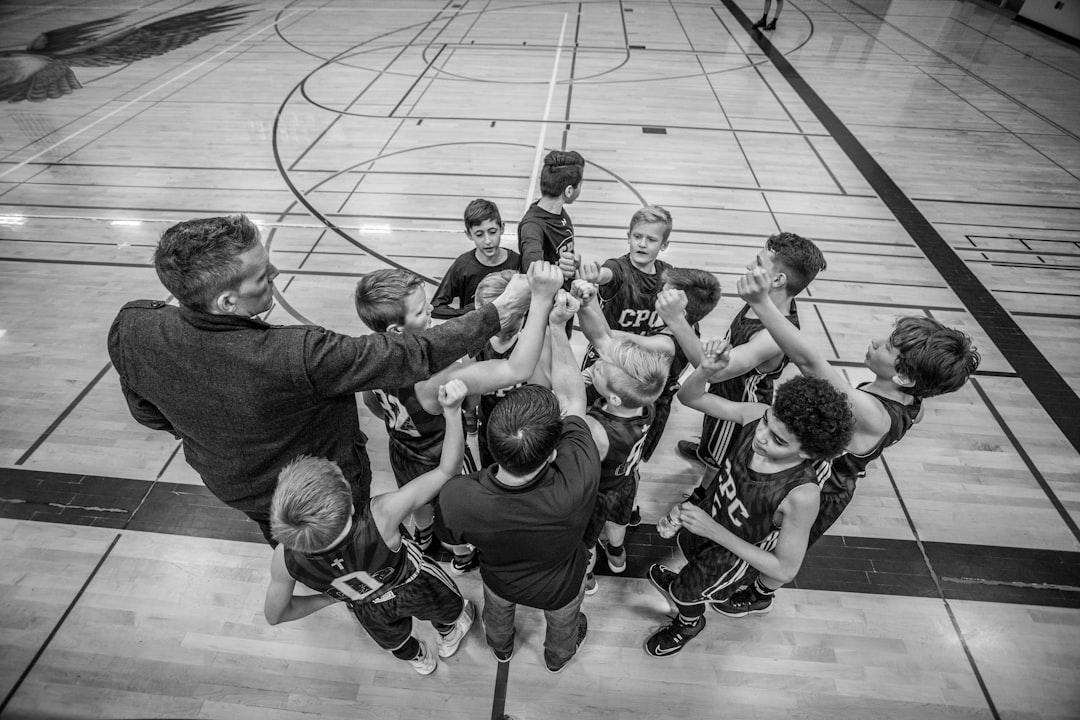
Most youth practices end the same way: a quick water break, a few announcements, and everyone scatters. That last five minutes is actually the best window you have all day to build mental toughness—kids are tired, a little vulnerable, and still in “team mode,” which makes it the perfect time for a short mental skills routine instead of another sprint or drill.
Below are five simple, no-equipment exercises you can rotate through at the end of practice. Each takes five minutes or less, works for almost any sport and age group, and reinforces skills athletes actually need on game day: staying calm under pressure, bouncing back from mistakes, and refocusing fast.
Quick Answer
Close practice with one short, repeatable mental skills routine—like box breathing, a physical “flush it” reset cue, or a 60-second visualization—rather than skipping straight to dismissal. Doing the same short exercise consistently, two or three times a week, builds the habit faster than a different novelty drill every day.
5 Exercises You Can Run in Under 5 Minutes
**1. Box breathing (60-90 seconds).** Have the team sit or stand in a circle and breathe in a 4-4-4-4 pattern: inhale for 4 counts, hold for 4, exhale for 4, hold for 4. Repeat for 4-6 rounds. This is the same calming technique used by military and performance training programs, and it’s simple enough for even the youngest athletes to follow. Use it as a standalone closer or as the first minute of any other exercise below.
**2. The “flush it” reset (2 minutes).** Pick a physical cue—a hand wipe down the jersey, a fist pump, a word like “next”—and have players practice using it right after you call out a mistake scenario (“you just missed a shot,” “you struck out,” “you missed a tackle”). The goal is to build muscle memory for letting go of an error in under three seconds, so it becomes automatic in games instead of something they have to think about.
**3. Sixty-second visualization.** Ask athletes to close their eyes and picture one specific moment from an upcoming game—stepping to the line, taking a free kick, coming up to bat—and mentally rehearse it going well, including how their body feels. Keep it short and concrete; a vague “imagine winning” prompt is far less effective than a single, specific action replayed in detail.
**4. One-word takeaway.** Go around the circle and have each athlete say one word that describes something they did well that day (effort, hustle, focus, teamwork). It takes under two minutes with a normal-sized roster, costs nothing, and ends practice on a note of self-recognition rather than only coach feedback.
**5. Rose, thorn, and reset.** Each player names one thing that went well (rose), one thing that was hard (thorn), and one thing they’ll do differently next time (reset/bud). This can be done out loud in pairs or silently in a practice journal if your team keeps one. It teaches athletes to process a tough practice without spiraling into all-negative self-talk.
Why a Closing Ritual Works Better Than a One-Off Talk
Mental skills develop the same way physical skills do: through repetition, not through a single big speech after a tough loss. Running the same short routine at the end of practice—rather than a different pep talk every time—turns the skill into a habit athletes can actually access under pressure, because they’ve rehearsed it dozens of times in a low-stakes setting.
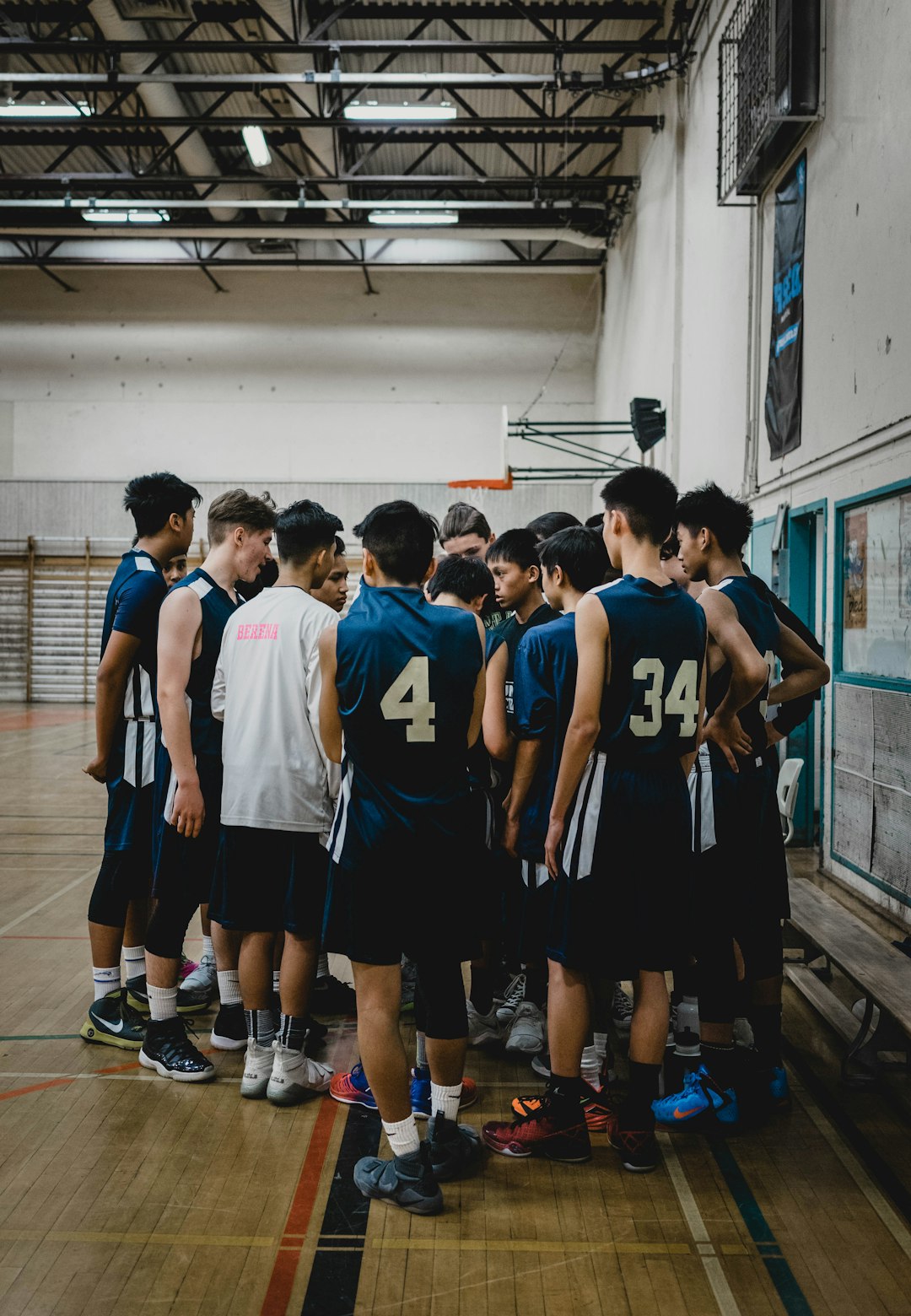
It also matters that this happens at the *end* of practice rather than the start. Athletes are tired and a little more emotionally open after physical exertion, which is exactly when a short breathing or reflection exercise tends to land best and carry over into how they leave the field.
Tips and Common Mistakes
Start with just one exercise and stick with it for a few weeks before adding a second—rotating through all five constantly means none of them become an automatic habit. Keep your tone matter-of-fact and supportive; mental toughness training works best in a stable, respectful environment, not one built on pressure or criticism. Don’t skip it on hard days—the practices where the team is frustrated or just lost a scrimmage are exactly when a two-minute reset routine matters most. Finally, keep it age-appropriate: younger athletes do best with a physical cue (like the flush-it gesture) over abstract concepts like visualization, which lands better with older kids and teens.
Explore more: More youth coaching tips.
5-minute mental toughness exercises FAQs
How often should we do mental toughness exercises at practice?
Two to three times per week is enough to build the habit without it feeling like a chore. Many coaches make one short exercise a fixed part of every practice close, the same way stretching is a fixed part of warm-ups.
Do these exercises work for young kids, not just teens?
Yes, but keep it concrete. Younger athletes (roughly under 10) respond better to a physical cue like a hand wipe or breathing count than to visualization, which requires more abstract thinking and tends to work better with older kids and teens.
What if some players think this is silly or don’t want to participate?
Keep it short, low-pressure, and consistent rather than making a big deal of it. Most resistance fades once it becomes a normal, expected part of the routine rather than something singled out as “extra.” Framing it as part of training the mind, the same as training the body, helps too.
Level Up With SportsSteps
Track your athlete’s progress, connect with coaches and your team, and grow — get the SportsSteps app. Get the SportsSteps App.
Want youth sports news in your inbox? Subscribe to the free newsletter.
Photo by jesse orrico on Unsplash.