
You can be right about a mistake and still lose the athlete the moment you open your mouth. Tone, timing, and wording decide whether feedback lands as coaching or as criticism — and athletes who feel judged tend to tune out the very information that could help them improve.
This guide breaks down what sports psychology research and experienced coaches actually recommend: how to word feedback so it’s usable, when to deliver it, and the small habits that build enough trust for athletes to want to hear what you have to say.
Quick Answer
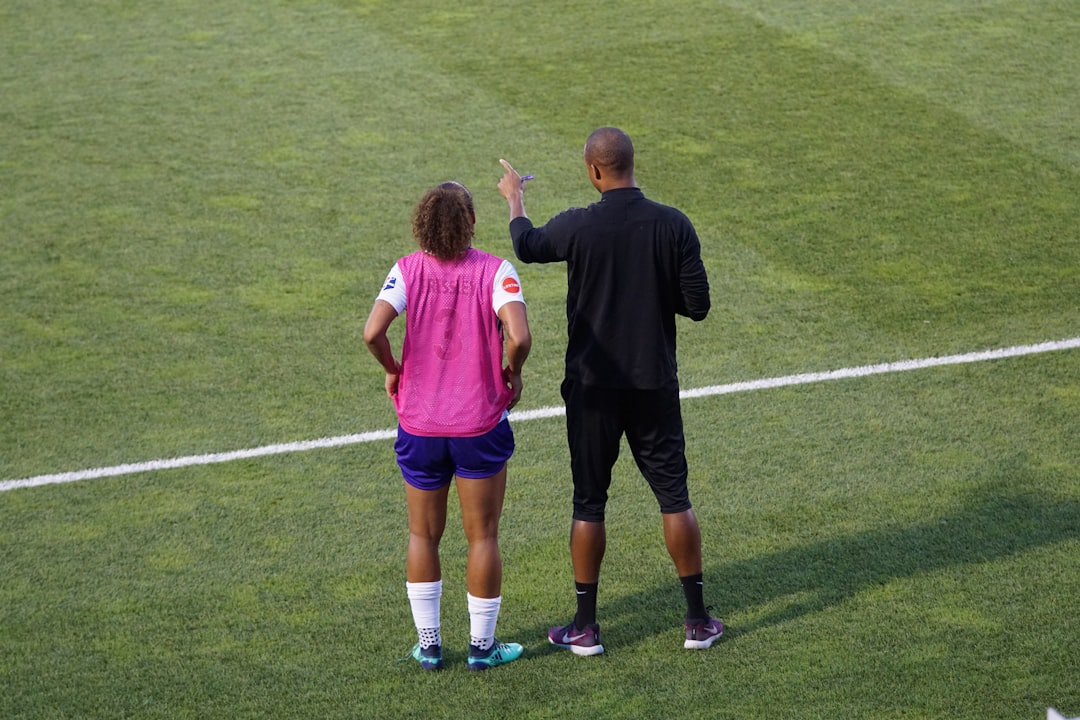
Athletes hear feedback best when it’s specific and descriptive rather than judgmental, delivered close to the moment it happened (but not in the heat of high emotion), and offered from a coach they trust has their interest in mind. Tell them what to do differently, not just what went wrong.
Make Feedback Specific and Descriptive, Not Evaluative
“Good job” and “that was sloppy” are both evaluations — they rate the performance but give the athlete nothing to act on. Descriptive feedback names the exact behavior and the fix: instead of “that shot was weak,” try “you dropped your elbow on the release, keep it up through follow-through.” The athlete can immediately picture the correction and try it again.
This matters just as much for praise. “Nice hustle” is a compliment; “you beat your defender to the spot because you sprinted the first three steps” tells the athlete which specific action to repeat. Specific praise reinforces the right habit; vague praise just feels good for a second and fades.
Time It Right and Read the Moment
Feedback is most useful close to when the action happened, while the athlete still remembers exactly what they did and how it felt in their body. Waiting until the next practice or the postgame drive home means the athlete has to reconstruct the moment from memory, which weakens the connection between the cue and the correction.
That said, timing isn’t just about speed — it’s about emotional state. An athlete who just missed a game-deciding shot or got pulled from a lineup is flooded with emotion and physically not in a place to absorb a technical note, no matter how accurate it is. Give them a beat to reset, then deliver the feedback once they can actually process it. A quick, calm check-in (“you good to talk about that rep?”) does more good than talking at someone who’s still upset.
Asking permission before diving in — “can I give you a quick note on that?” — also changes how feedback lands. It hands the athlete a small amount of control over the moment, which lowers defensiveness and makes them more likely to actually use what you say next.
Tips / Common Mistakes
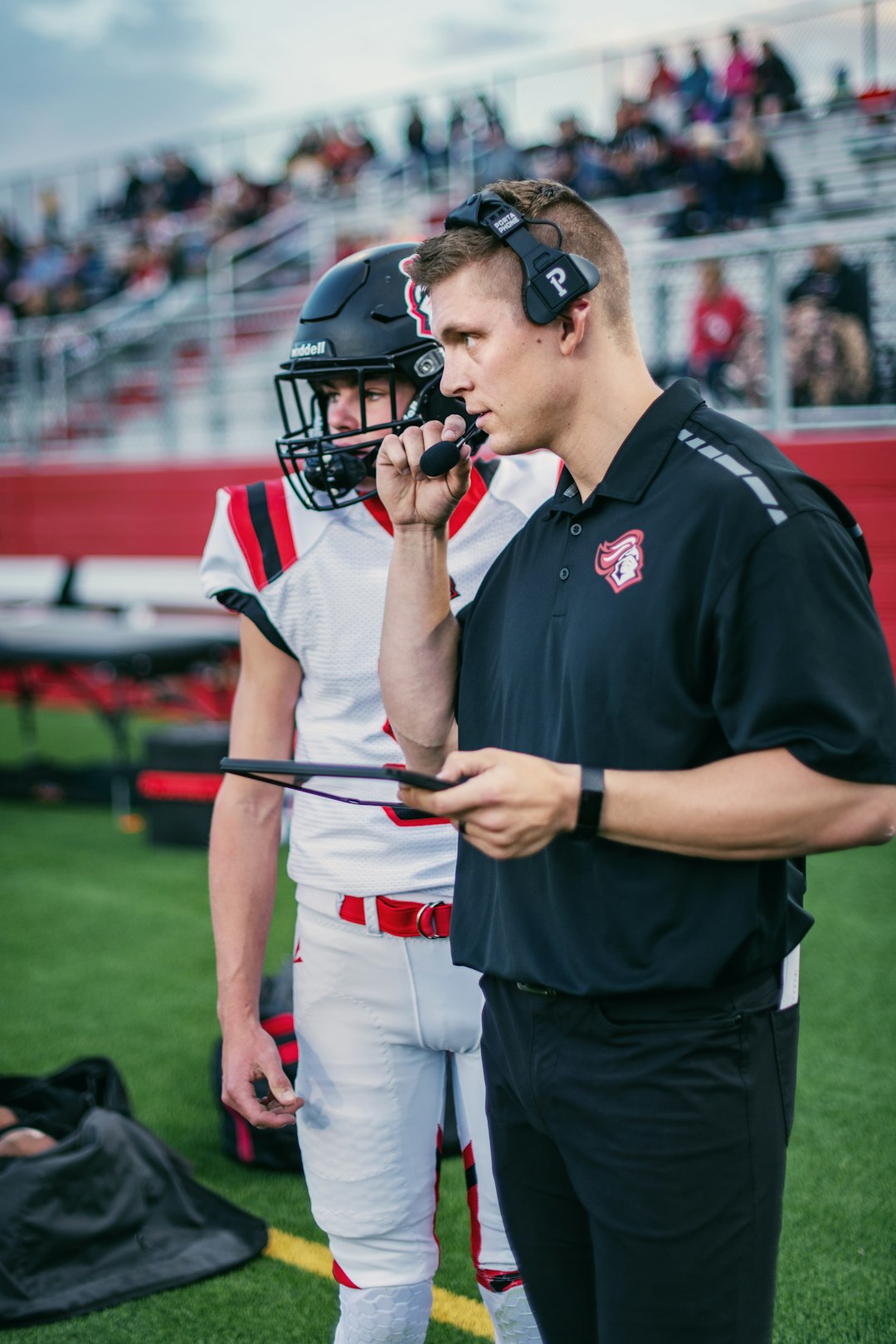
Watch your delivery, not just your words: a technically perfect note delivered with a frustrated tone, crossed arms, or an exasperated sigh reads as criticism no matter how carefully you phrased the sentence. Athletes pick up on tone and body language before they process the actual content.
Tie feedback to effort and process, not just outcomes. An athlete who hears every correction framed around wins and losses starts associating feedback with failure. Framing notes around what they did (effort, technique, decision-making) rather than what happened (the scoreboard) keeps feedback feeling like coaching instead of a verdict.
Don’t save every note for a formal sit-down. Frequent, small, in-the-moment corrections are easier to absorb than a long list delivered once a week — nobody can act on ten pieces of feedback at once, but they can act on one.
Build the relationship before you need it. Feedback from a coach an athlete trusts lands very differently than the same words from someone they feel judged by. Invest in knowing your athletes as people — that groundwork is what makes the tough conversations possible later.
Avoid the trap of feedback that’s really just venting. If you’re delivering a note because you’re frustrated rather than because the athlete needs it right then, wait until you’ve cooled down. Athletes can tell the difference between a coaching correction and a coach letting off steam.
Explore more: more coaching strategies.
Giving feedback athletes actually hear FAQs
Should feedback always be positive?
No — athletes need honest, corrective feedback to improve. The key is keeping it descriptive and focused on behavior rather than judgmental or personal. Specific, actionable feedback (positive or corrective) is what athletes can actually use.
How soon after a mistake should a coach give feedback?
As soon as the athlete can process it. Close to the moment is ideal so the memory is fresh, but if the athlete is highly emotional right after a mistake, give them a short window to settle before delivering the note.
What’s the difference between descriptive and evaluative feedback?
Evaluative feedback rates the performance (“good,” “bad,” “sloppy”) without explaining why. Descriptive feedback names the specific action and what to do instead, giving the athlete something concrete to change.
Does asking an athlete’s permission before giving feedback really help?
Yes — it gives the athlete a sense of control over the interaction, which lowers defensiveness. A simple “got a second for a quick note?” tends to make athletes more receptive than feedback delivered without warning.
Level Up With SportsSteps
Track your athlete’s progress, connect with coaches and your team, and grow — get the SportsSteps app. Get the SportsSteps App.
Want training tips and sports news in your inbox? Subscribe to the free newsletter.
Photo by Jeffrey F Lin on Unsplash.