
If your child is about to join a school or club team, chances are the coach or league has already asked for one thing before they can practice: a sports physical. It sounds like a simple formality, but knowing what actually happens at the appointment, and when to book it, can save you a last-minute scramble the week before tryouts.
This guide walks through what a youth sports physical covers, how it differs from a regular checkup, where to get one, what it typically costs, and the ideal time to schedule it so your child never has to sit out a practice waiting on paperwork.
Quick Answer
A sports physical (officially called a preparticipation physical evaluation, or PPE) checks your child’s medical history and does a focused exam of the heart, lungs, joints, and muscles to confirm it’s safe for them to play. Schedule it 4 to 6 weeks before the season or tryouts start, not the week before, so there’s time to follow up if the doctor flags anything.
What Happens at the Appointment
A sports physical has two parts. The first is a medical history questionnaire, usually a form your child’s league or school hands out in advance. It asks about past injuries (sprains, fractures, concussions), chronic conditions like asthma or diabetes, allergies, current medications and supplements, and family history of heart problems or sudden cardiac events. Fill this out as completely and honestly as you can before the visit; it’s the part of the exam that catches the most red flags.
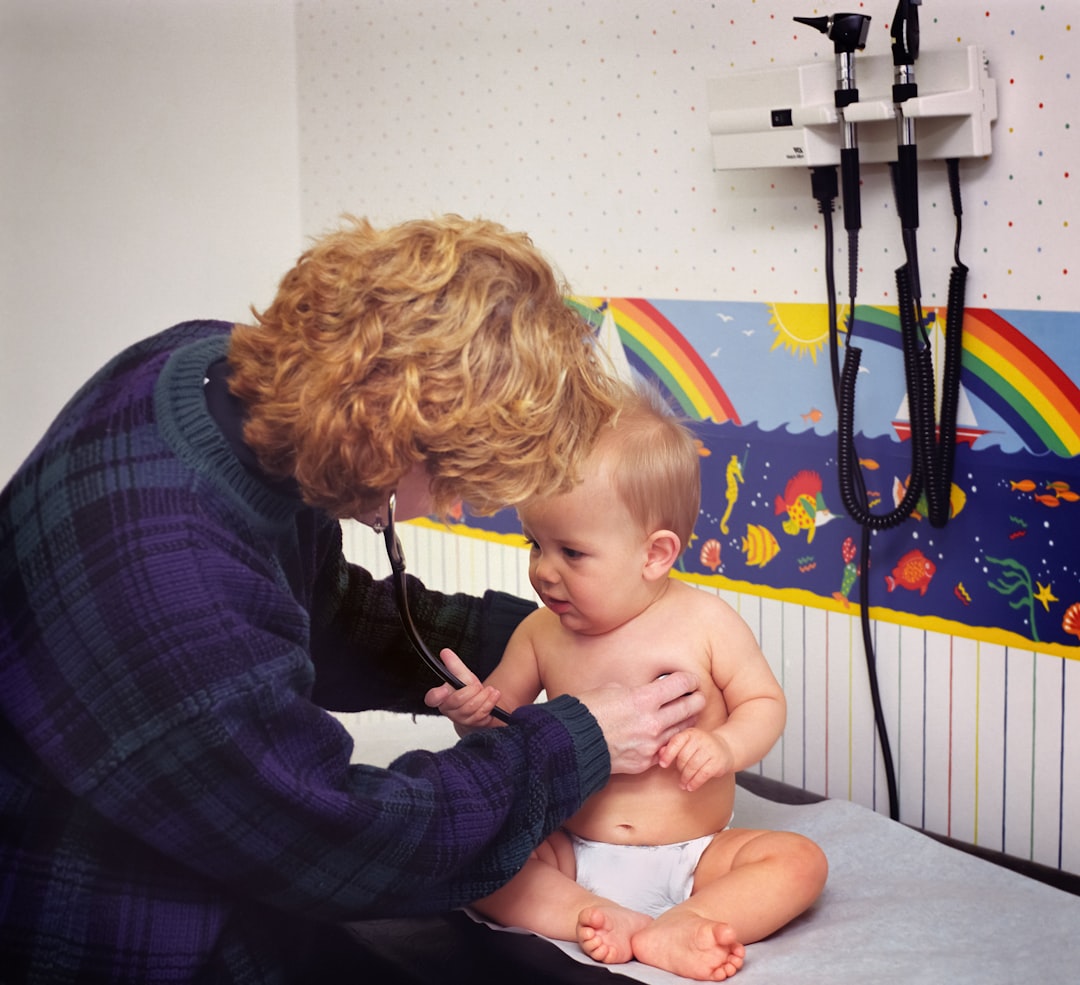
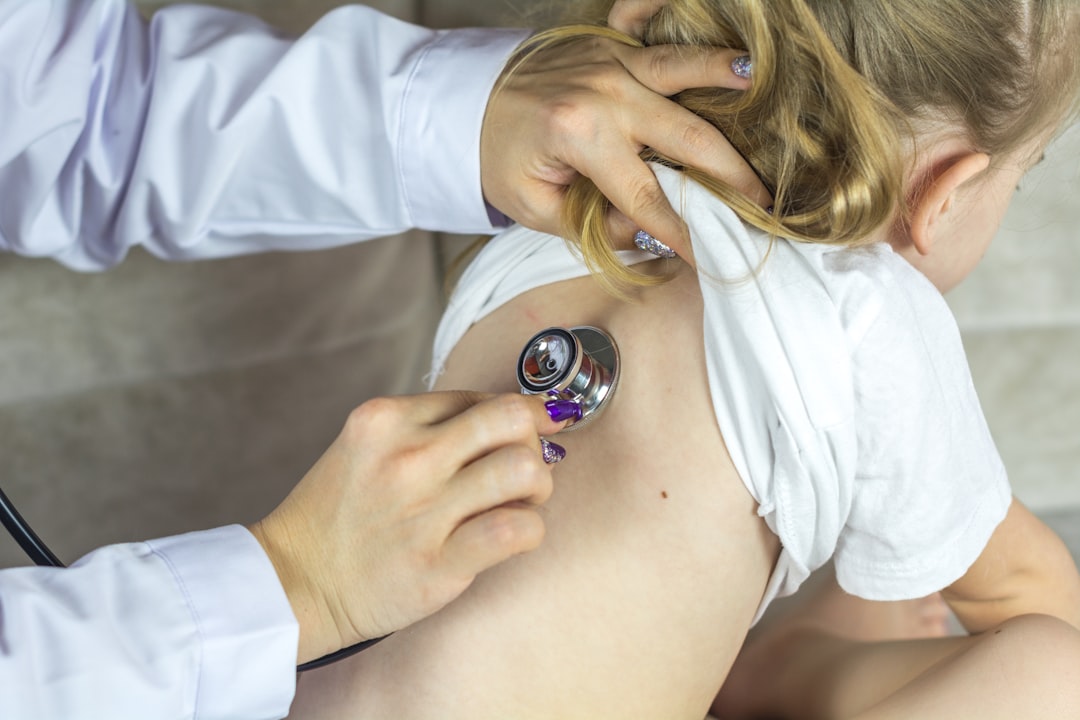
The second part is the physical exam itself. The provider will check height, weight, blood pressure, pulse, and vision, then move through a system-by-system exam: listening to the heart and lungs, checking the abdomen, and testing joint range of motion, flexibility, and strength, especially in areas your child has previously injured. Many providers also ask a few quick questions about mood, stress, and sleep, since mental health screening is now a standard part of the recommended exam.
Most appointments take 15 to 30 minutes. If everything looks normal, the provider signs off on the school or league’s official form right there. If something needs a closer look, such as a heart murmur, an old injury that hasn’t fully healed, or asthma that isn’t well controlled, they may order additional tests or a referral before clearing your child to play.
When and Where to Schedule It
Aim to book the physical about 4 to 6 weeks before the first practice or tryout, not the week of. That buffer matters because if the doctor wants a follow-up test or a specialist opinion, you’ll have time to get it done without your child missing the start of the season. If your child has a more complex medical history, like a prior concussion, an irregular heartbeat, or poorly controlled asthma, lean toward the earlier end of that window.
You have a few options for where to go. A pediatrician or family doctor is generally the best choice, especially if you can combine it with your child’s annual well-child visit, since that provider already has their full history on file and it’s typically covered by insurance as preventive care. Urgent care clinics and retail health clinics (like MinuteClinic or Walgreens clinics) are faster and often cheaper for a standalone physical, though prices vary by location. Some schools also run group physical days in spring, where a doctor screens multiple athletes station-style for free or a low flat fee; because a physical done then typically stays valid through the entire following school year, including fall tryouts, this is often the most convenient time to knock it out. Check with the athletic department, since these spring sessions fill up fast.
Whichever option you choose, bring your child’s insurance card, any relevant medical records (past injuries, existing diagnoses), and the school or league’s specific PPE form if one was provided; most states and athletic associations use a standardized two-page history-and-exam form, and providers need the exact version your organization requires.
Tips and Common Mistakes
Don’t wait until the week before tryouts. Clinics and pediatrician offices get slammed in late summer as fall sports ramp up, and if the doctor needs to order tests, a last-minute appointment leaves no room to sort it out before cutoffs.
Bring the right form, not a generic one. Many schools and athletic associations require their state’s specific PPE form; a physical done on the wrong paperwork may need to be redone.
Don’t skip the history questionnaire or rush through it. It’s the single most useful part of the exam for catching hidden risk factors, especially heart-related ones that a brief physical exam alone can miss.
Know the validity window so you can time it well. Most sports physicals are good for about 12 months from the exam date, which means a physical done in spring will typically still be valid for fall tryouts, and often for the winter and spring seasons after that too. The main exception is a school or state athletic association that sets a specific cutoff date for the coming school year or requires a fresh physical at the start of each school year regardless of when the last one was done, so confirm your specific school or league’s rule before assuming an older physical will or won’t carry over.
Mention any new symptoms since the last exam, even minor ones like fainting, chest pain during exercise, unusual shortness of breath, or a growth spurt that’s changed how a healing injury feels. These details often change what the provider checks.
Explore more: more youth sports guides.
Sports physical for kids FAQs
How long is a sports physical good for?
Most schools and athletic associations treat a sports physical as valid for about 12 months from the exam date, so a physical done in spring typically still covers fall tryouts and often the rest of that school year. Some states and schools set a specific cutoff date or require a new physical at the start of each school year regardless of the exam date, so check your specific league or school policy.
Can a sports physical replace my child’s annual checkup?
They can often be combined into one visit, which is the most efficient and usually the most affordable option since well-child visits are typically covered by insurance. But a sports physical alone is narrower and focused on clearance to play, while an annual checkup covers broader health topics like immunizations and development.
What disqualifies a child from a sports physical?
Outright disqualification is uncommon. More often, a provider will flag a condition, such as an unevaluated heart murmur, uncontrolled asthma, or a joint that hasn’t finished healing, and require further testing or treatment before signing off, rather than issuing a permanent no.
Does insurance cover a sports physical?
It depends on the plan. Many insurers cover a sports physical when it’s billed as part of an annual preventive well-child visit, but a stand-alone sports physical visit may not be covered and could carry a separate fee or copay. Check with your insurer before booking.
Can a nurse practitioner or physician assistant do a sports physical?
Yes. In most states, nurse practitioners and physician assistants are authorized to perform and sign off on sports physicals, which is part of why urgent care and retail clinics can offer them.
Level Up With SportsSteps
Track your athlete’s progress, connect with coaches and your team, and grow — get the SportsSteps app. Get the SportsSteps App.
Want training tips and sports news in your inbox? Subscribe to the free newsletter.
Photo by CDC on Unsplash.