
An hour on the field or court can either fly by with players sweating, learning, and having fun, or it can drag through standing in lines while attention wanders. The difference almost always comes down to structure: how the coach breaks the 60 minutes into blocks, how long each drill runs before switching, and how much of the session is live play versus instruction.
This guide walks through a practice framework that works whether you’re coaching 7-year-olds who need a new activity every few minutes or high schoolers who can hold focus through longer tactical work. You’ll get a block-by-block breakdown, age-specific timing guidance, and the most common mistakes that quietly kill a practice.
Quick Answer
Split a 60-minute practice into four blocks: an 8-10 minute dynamic warm-up, 20-25 minutes of skill and fundamentals work, 15-20 minutes of team concepts or small-sided games, and a 10-minute scrimmage with a brief cool-down. Switch activities every 5-15 minutes depending on the players’ age, front-loading isolated skill work in the first half and shifting toward game-like, applied play in the second half.
The Four-Block Practice Structure
Start with an 8-10 minute warm-up built around movement, not standing still for a speech. A short jog or lap followed by dynamic stretches such as high knees, lunges, and side shuffles gets bodies ready and gives you a natural window to state the day’s one or two priorities.
Move into 20-25 minutes of skill work, the technical heart of the practice. Pick one focused skill with two or three progressions rather than jumping between five unrelated drills. The goal is a high rate of repetition: every player should get a touch, rep, or turn every 15-20 seconds. If athletes are standing in a line waiting their turn, that’s a signal you need more stations or smaller groups, not a longer drill.
Spend the next 15-20 minutes on team concepts or small-sided games that connect the skill just practiced to real situations, like a 3-on-3 possession game or a positioning drill. This bridges isolated skill work and the chaos of full play.
Close with a 10-minute scrimmage or live segment, followed by a short cool-down and a quick recap of what the team worked on. Kids learn a lot through game-like play, so always protect this block rather than letting it get squeezed out by drills running long.
Adjusting Timing for Different Age Groups
A useful rule of thumb: attention span in minutes roughly tracks a player’s age in years, so a 7-year-old can focus on one task for about 7 minutes before needing something new. For ages 6-8, keep individual drill cycles under 5 minutes. For ages 9-11, 3-10 minute cycles work well. Middle schoolers can typically hold focus through most of a 60-90 minute practice, and high schoolers can sustain a single drill for up to 15 minutes when it’s game-relevant.
For the youngest groups, alternate a high-energy, physical drill with a slower, more instructional one. Running players hard and then delivering coaching points during a lower-intensity activity, while they’re catching their breath, holds attention better than a static huddle. For teens and more advanced players, you can lengthen individual blocks and add more tactical complexity, but still avoid running any single drill past the 15-minute mark without a change of pace.
Keep group sizes small regardless of age. Lines two players deep, stations of three or four, and multiple simultaneous drill areas (multiple goals, baskets, or cones) all increase reps and reduce standing-around time, which is often the real cause of a practice feeling long.

Tips and Common Mistakes
Front-load your highest-priority skill while players are fresh and focused, rather than saving it for the end of practice. Write a simple plan before you arrive, even just a few bullet points with rough times next to each block, so you’re not deciding on the fly what to run next.
The most common mistake is letting one drill run too long because it’s going well, which then forces the scrimmage or cool-down to get cut short. Set a rough timer or watch the clock and stick to your blocks even when a drill feels productive. A close second mistake is coaching too much and moving too little: long verbal explanations lose younger players fast, so demonstrate briefly and let them learn through doing.
Avoid single-file lines with one ball and one coach running the whole group through a drill one at a time. Split into stations, add more equipment if you have it, and use assistant coaches or parent volunteers to run a second or third station so more players are active at once.
Finally, build in a short recap at the very end, even 60-90 seconds, where you name one thing the team did well and one thing to work on next time. It reinforces the day’s focus and gives players and parents a clear takeaway.
Explore more: more coaching guides and practice planning tips.
60-minute practice planning FAQs
How much of a 60-minute practice should be scrimmage or live play?
Plan for about 10 minutes of live scrimmage at the end of the session, preceded by 15-20 minutes of team concepts or small-sided games that build toward it. Together that gives players roughly 25-30 minutes of applied, game-like work in the back half of practice, after the earlier warm-up and skill blocks.
How often should I switch drills for young kids?
For ages 6-8, switch every 3-5 minutes. For ages 9-11, drill cycles of 3-10 minutes work well. Older, more experienced players can sustain a single drill for up to 15 minutes if it stays game-relevant.
What’s the biggest time-waster in youth practices?
Long lines where players wait their turn for one ball or one station. Splitting the group into smaller stations with more equipment dramatically increases reps and keeps players engaged.
Should warm-ups be the same every practice?
A consistent core routine (a light jog plus a few dynamic stretches) is fine and helps players transition into practice mode quickly, but rotating in different movements keeps it from feeling stale.
Level Up With SportsSteps
Track your athlete’s progress, connect with coaches and your team, and grow — get the SportsSteps app. Get the SportsSteps App.
Want training tips and sports news in your inbox? Subscribe to the free newsletter.
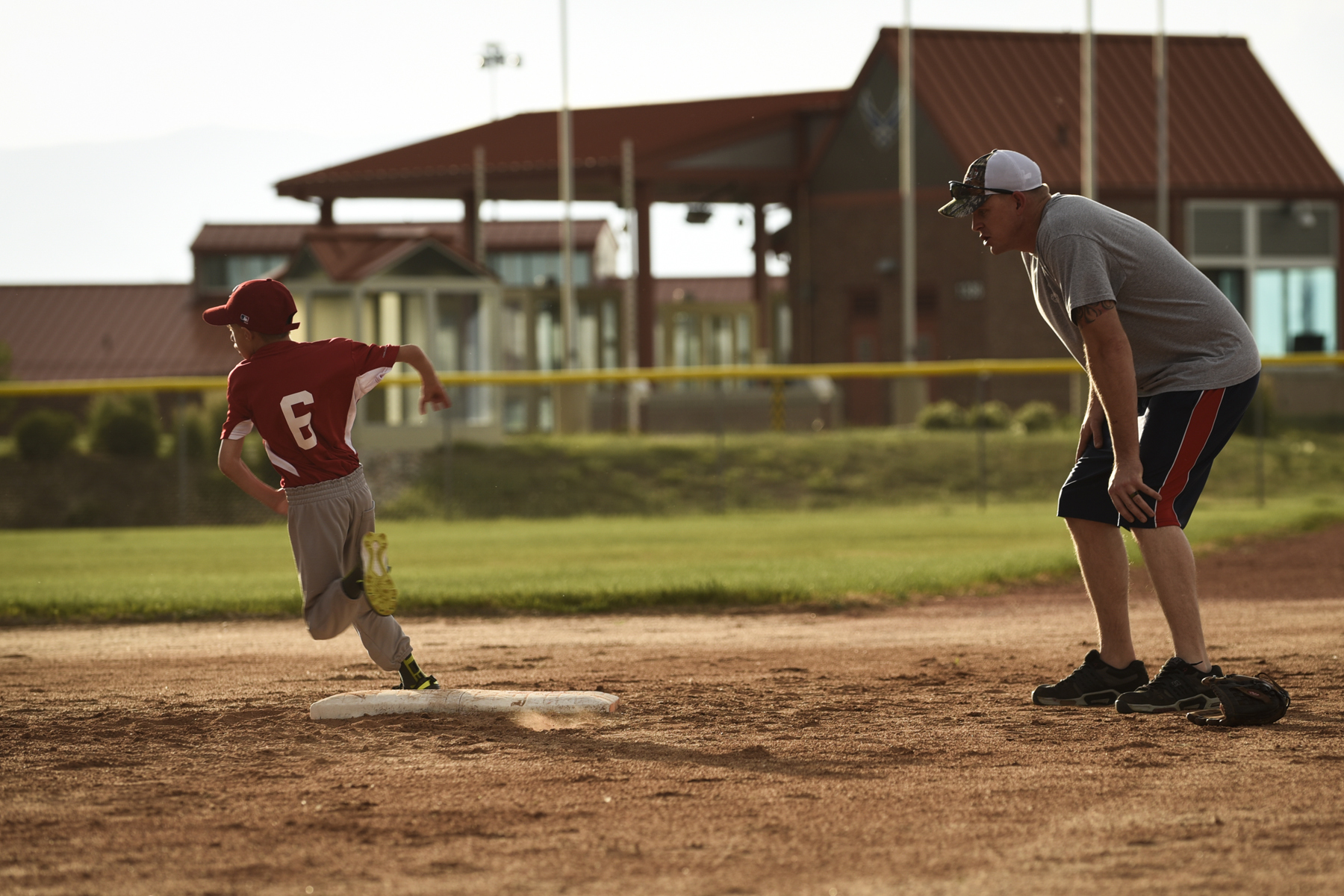
Photo: USAG- Humphreys / CC BY 2.0, via Wikimedia Commons.