
Swimming technique for beginners is the single most important factor in learning to move through the water safely, efficiently, and with confidence. Whether you are a parent enrolling your child in swim lessons or an adult who never learned to swim properly, mastering the fundamentals of body position, breathing, and stroke mechanics will transform your experience in the pool.
Swimming is one of the most beneficial lifelong sports available. It builds cardiovascular fitness, strengthens muscles without joint impact, and is an essential life safety skill. Yet many beginners struggle because they jump into lap swimming without first learning the foundational techniques that make everything else possible.
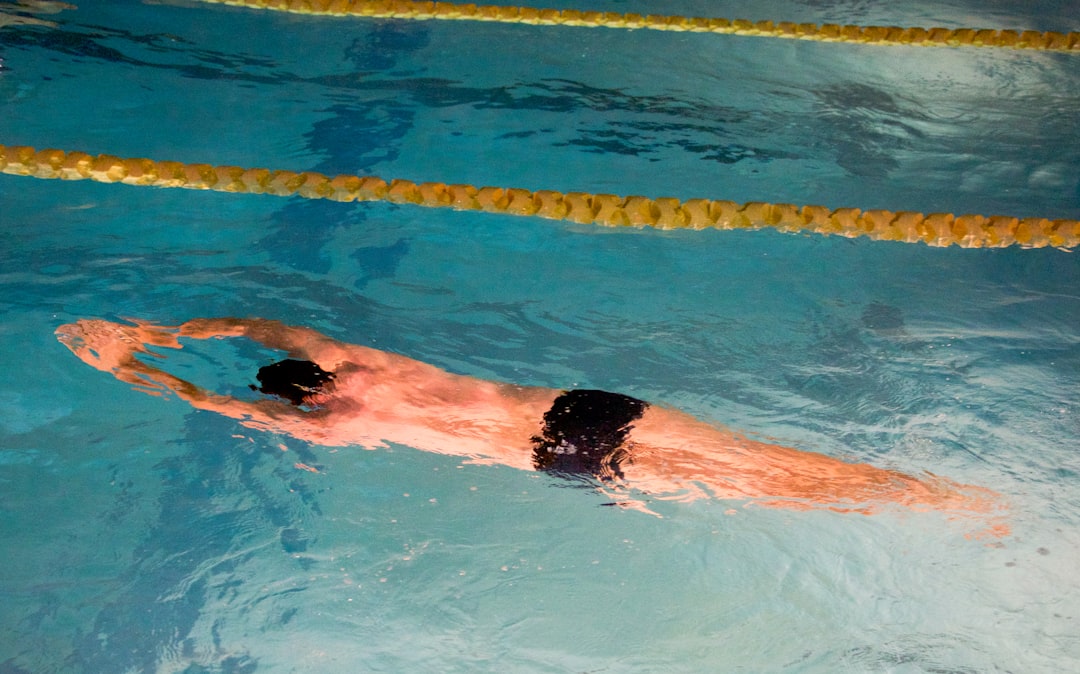
Body Position: The Foundation of Every Stroke
The most important element of swimming technique for beginners is body position. Everything starts here. A streamlined body position reduces drag and makes swimming feel effortless rather than exhausting.
Your body should be as horizontal as possible in the water, with your hips and legs near the surface rather than sinking below. Many beginners make the mistake of lifting their head too high to breathe, which causes their hips and legs to drop. This creates enormous drag and makes swimming feel like pushing through mud.
How to practice: Start with a simple float. Push off the wall with your arms extended overhead, face in the water, and glide. Focus on keeping your body flat and relaxed. If your legs sink, engage your core muscles gently and press your chest slightly into the water. This “downhill” position naturally lifts your hips and legs.
The American Red Cross recommends that all children learn water safety and basic swimming skills, starting with comfort in the water and proper floating techniques before progressing to strokes.
Freestyle Stroke Mechanics
Freestyle (front crawl) is the first stroke most beginners learn, and solid swimming technique for beginners starts with breaking it into manageable parts.
Arm Pull: Your hand enters the water fingertips first, about shoulder width apart. Reach forward and then pull through the water with a slightly bent elbow, sweeping your hand past your hip before recovering over the water. Think of reaching over a barrel — this “high elbow catch” position engages your larger back muscles rather than just your shoulders.
Kick: The flutter kick originates from your hips, not your knees. Keep your legs relatively straight with a slight knee bend and relaxed ankles. Your feet should barely break the surface. A common beginner mistake is bending the knees too much, creating a bicycle-pedaling motion that generates splash but no propulsion.
Body Rotation: Your body should rotate slightly with each stroke, about 30-45 degrees to each side. This rotation generates power from your core and makes breathing much easier. Think of your body as a skewer rotating smoothly rather than staying flat on the water.
Breathing: The Biggest Challenge for Beginners
Breathing is where most beginners struggle the most, and improving swimming technique for beginners almost always means improving breathing mechanics. The key principles are simple but take practice to master.
Exhale underwater: This is the number one rule. Blow bubbles steadily through your nose and mouth while your face is in the water. When you turn to breathe, your lungs should already be empty so you only need to inhale — not exhale and then inhale in the brief moment your mouth is clear.
Turn, do not lift: Rotate your head to the side during the natural body rotation of your stroke. One goggle should stay in the water. If you are lifting your head forward or straight up, you are breaking your body position and creating drag.
Breathe every 3 strokes: Bilateral breathing (alternating sides) promotes balanced stroke development. However, beginners can start by breathing every 2 strokes on their preferred side and gradually work toward bilateral breathing.
Practice breathing by holding the wall with one hand, placing your face in the water, and rotating to breathe to the side. Repeat 20-30 times until the motion feels natural. This simple drill dramatically improves swimming technique for beginners who feel panicked about getting air.
Common Mistakes and How to Fix Them
Understanding what not to do is just as valuable as knowing proper technique. Here are the most common errors in swimming technique for beginners.
Head too high: Looking forward instead of down at the pool bottom causes your legs to sink. Fix this by keeping your head in a neutral position, looking straight down, with only the crown of your head above water.
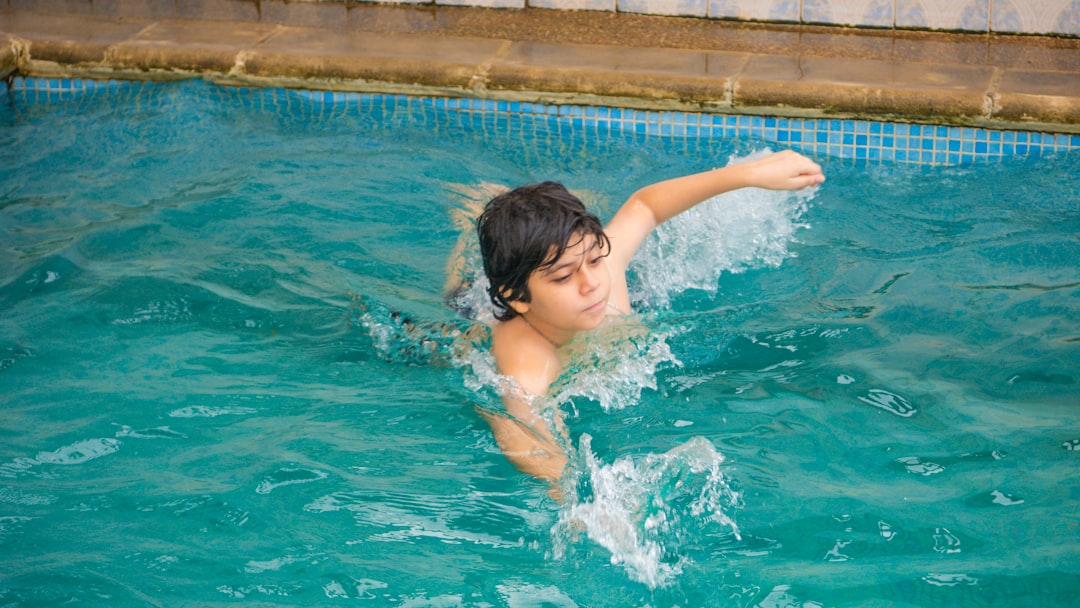
Gripping the water: Beginners often spread their fingers wide and slap the water. Instead, keep your fingers relaxed and slightly apart. Research from USA Swimming has shown that a small gap between fingers actually increases the effective surface area of your hand.
Kicking too hard: An aggressive kick wastes energy and creates turbulence. The kick in freestyle contributes only about 10-15% of your propulsion. Focus on a steady, compact kick that keeps your body balanced.
Holding your breath: Many beginners hold their breath underwater instead of exhaling steadily. This creates CO2 buildup, anxiety, and a desperate gasp when they finally turn to breathe. Continuous exhalation is the single best fix for breathing anxiety.
Essential Drills for Beginners
These drills will help you develop sound swimming technique for beginners one skill at a time.
Kickboard Kicks: Hold a kickboard with arms extended and practice your flutter kick across the pool. Focus on kicking from the hips with pointed toes. This isolates the kick and helps you feel proper body position.
Catch-Up Drill: Swim freestyle but leave one arm extended in front until the other arm completes its full stroke cycle and “catches up.” This slows the stroke down so you can focus on each arm pull individually. It is one of the most widely used teaching drills in competitive swim programs.
Side Balance Drill: Kick on your side with your bottom arm extended and your top arm resting at your side. Your face should be in the water, turning to breathe as needed. This drill teaches body rotation and balance, two pillars of efficient swimming.
6-3-6 Drill: Kick on your right side for 6 kicks, take 3 strokes of freestyle, then kick on your left side for 6 kicks. This drill connects rotation, balance, and stroke mechanics into one fluid exercise.
Building Your First Swim Workout
Once you have a basic grasp of swimming technique for beginners, structure your pool time to maximize improvement. A beginner-friendly workout might look like this:
- Warmup: 100 yards easy kick with a kickboard
- Drill Work: 4 x 25 yards catch-up drill with 20 seconds rest
- Swim: 4 x 25 yards freestyle with 30 seconds rest (focus on breathing)
- Cooldown: 100 yards easy backstroke or breaststroke kick
Start with 20-30 minute sessions, 2-3 times per week. Consistency matters more than volume. As your technique improves, gradually increase distance and reduce rest intervals.
Safety First
Swimming is a wonderful sport, but water safety should always be the top priority — especially for children. Never swim alone, always supervise young swimmers, and learn basic water rescue skills. If your child is just beginning their sports journey, our guide on how to choose the right sport for your child covers how to evaluate swimming versus other activities based on your child’s personality and interests.
Good swimming technique for beginners also means knowing your limits. If you are tired, stop. If a pool area feels too deep, stay where you are comfortable. Building confidence gradually leads to faster long-term improvement than pushing too hard too soon.
Cross-Training for Swimmers
Swimming pairs well with land-based sports that build complementary fitness. Many young swimmers also participate in track and field training to develop explosive power and coordination that transfers to starts and turns in the pool. The combination of swimming and dryland athletics creates well-rounded young athletes.
Maintaining proper nutrition also plays a huge role in swim performance. Young swimmers burn significant calories during training, so make sure to review our sports nutrition guide for young athletes to keep energy levels high.
Frequently Asked Questions
How long does it take to learn proper swimming technique as a beginner?
Most beginners can learn basic freestyle technique in 10-20 lessons or about 2-3 months of consistent practice. Comfort in the water develops faster, usually within a few sessions, while refined stroke mechanics take longer to build.
What is the best age to start swim lessons for kids?
The American Red Cross recommends starting water familiarization as early as age 1 and formal swim lessons around age 4. However, children of any age can learn, and the most important factor is finding a patient, qualified instructor.
Should beginners use swimming aids like pull buoys or fins?
Fins can be helpful for beginners because they provide propulsion while you focus on arm technique and breathing. Pull buoys help maintain body position. However, avoid relying on them exclusively — practice without aids regularly to develop natural technique.
How do I stop water from going up my nose?
Exhale gently through your nose whenever your face is in the water. This creates a steady stream of air bubbles that prevents water from entering your nasal passages. Nose clips are also an option while you build this habit.
1 thought on “Swimming Technique for Beginners: A Complete Guide to Getting Started”