
Tennis drills for beginners are the best way to build a strong technical foundation, develop confidence on the court, and start enjoying rallies faster than you thought possible. Whether you are a parent introducing your child to tennis or an adult picking up a racket for the first time, the right drills transform awkward swings into smooth, consistent strokes.
Tennis is a fantastic sport for all ages. It builds hand-eye coordination, cardiovascular fitness, agility, and mental toughness. But the learning curve can feel steep without structured practice. That is why focused, repetitive drills matter so much — they isolate individual skills so your brain and body can master them one at a time.
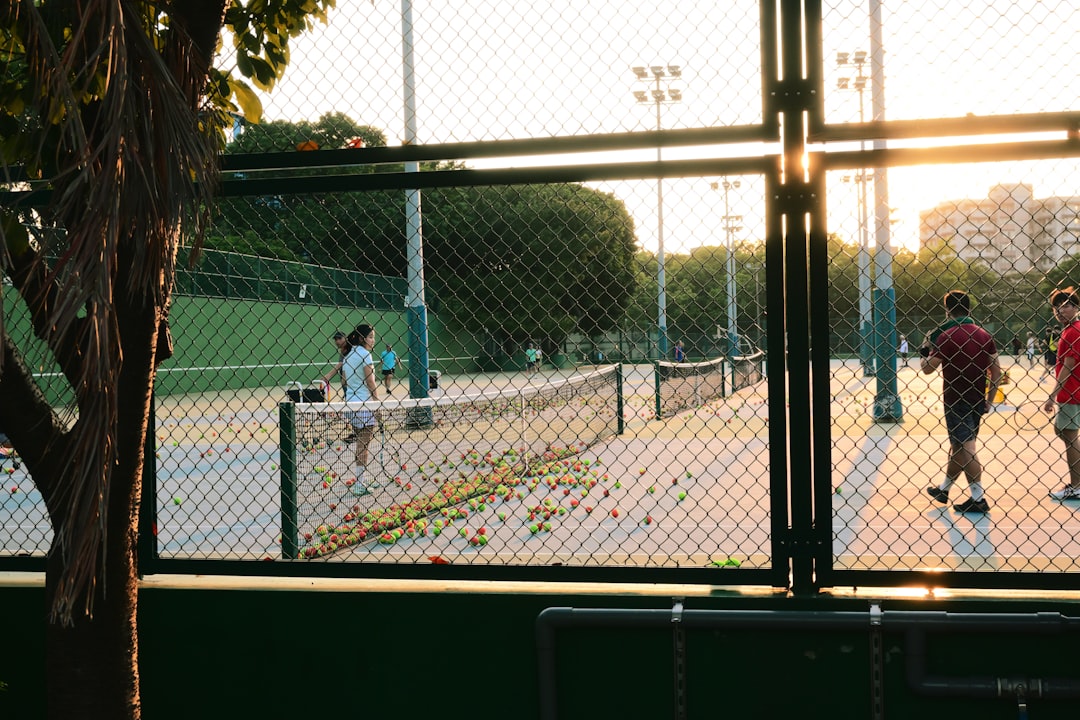
Getting Started: Equipment and Court Basics
Before diving into tennis drills for beginners, make sure you have the right equipment. A racket that is the correct size and weight makes a huge difference. For children, the United States Tennis Association (USTA) recommends the following sizing:
- Ages 4-6: 19-21 inch racket with red (low-compression) balls
- Ages 7-8: 23-25 inch racket with orange balls
- Ages 9-10: 25-26 inch racket with green dot balls
- Ages 11+: Full-size 27 inch racket with standard balls
Adults should choose a racket between 9.5-11.5 ounces with a grip size that allows a finger-width gap between their fingertips and palm when holding the handle. Starting with a lighter racket gives you more control while learning.
Proper court shoes with lateral support are essential. Running shoes do not provide the side-to-side stability that tennis demands and increase the risk of ankle injuries.
Forehand Drills
The forehand is the first stroke most beginners learn, and it is the backbone of nearly every tennis game. These tennis drills for beginners build forehand technique from the ground up.
Drop-and-Hit Drill: Stand at the baseline, hold the ball in your non-racket hand, drop it to your side, and swing through with your forehand. Focus on making contact out in front of your body at waist height. Hit 20-30 balls, aiming crosscourt. This drill removes the complexity of a moving ball so you can focus purely on your swing path.
Toss-and-Rally Drill: Have a partner stand at the net and toss balls gently to your forehand side. Hit each ball back over the net, focusing on a smooth follow-through that finishes over your opposite shoulder. Start with 10-ball sets, gradually increasing pace as your consistency improves.
Wall Rally Drill: Find a wall or backboard and hit forehands against it continuously. Start close (10-15 feet) to keep the ball in play, then gradually move back. Wall rallies are one of the most effective tennis drills for beginners because the ball always comes back, giving you endless repetitions without a partner.
The key to a good forehand is early preparation. Turn your shoulders as soon as you see the ball coming to your forehand side. This loads your body to swing with power generated from rotation, not just your arm.
Backhand Drills
The backhand is intimidating for many beginners, but the right tennis drills for beginners make it approachable. Most beginners start with a two-handed backhand for extra stability and control.
Shadow Swing Drill: Without a ball, practice your two-handed backhand motion slowly. Turn your shoulders, bring the racket back with both hands, step forward with your front foot, and swing through to a high finish. Repeat 20 times, focusing on the kinetic chain from feet to hands.
Feed-and-Hit Backhand: Have a partner feed balls to your backhand side from the net. Concentrate on keeping both hands on the racket through contact and following through over your front shoulder. Start with slow feeds and increase pace as your timing develops.
Alternating Forehand-Backhand Drill: Have a partner alternate feeds to your forehand and backhand. This drill teaches you to recognize which stroke to use and recover to a ready position between shots — a critical match skill.
Serve Basics
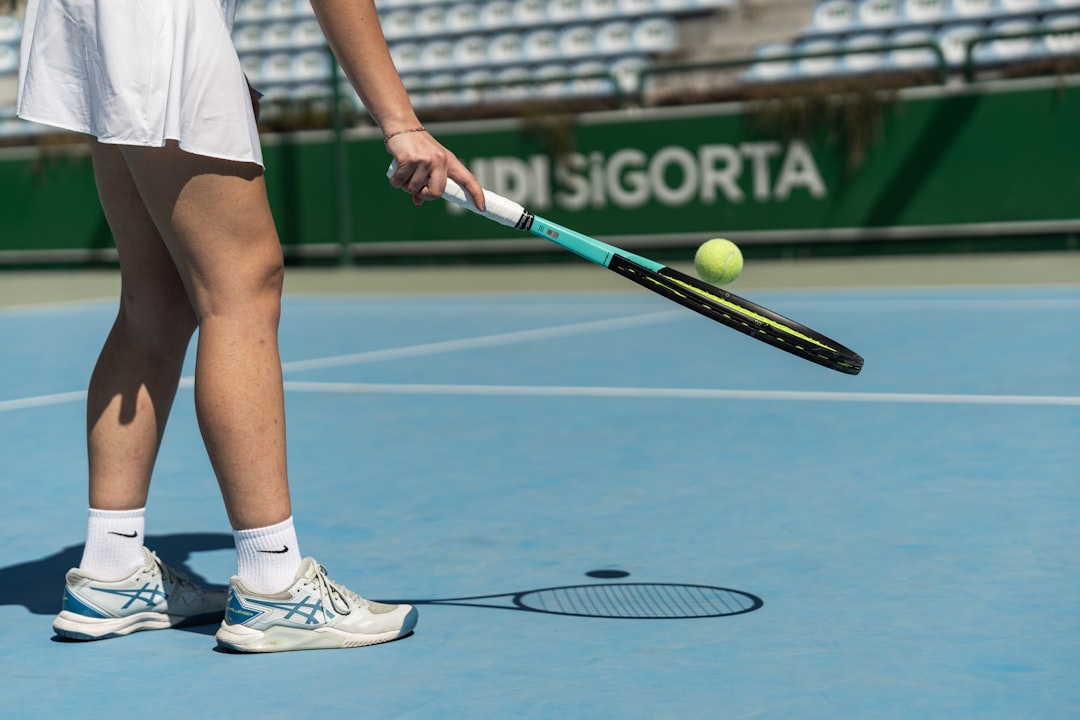
The serve is the most technical shot in tennis, but beginners do not need to master the full motion immediately. These progressive tennis drills for beginners break the serve into learnable stages.
Throwing Motion Drill: The serve mirrors an overhead throwing motion. Practice throwing tennis balls over the net from the baseline. This develops the arm path and timing that transfer directly to serving. If your throw is accurate, your serve will follow.
Trophy Pose Drill: Stand sideways to the net with your tossing arm extended upward and your racket arm bent behind your head (like a trophy). From this position, swing up and forward to hit the ball. This isolates the contact phase without worrying about the full wind-up.
Full Serve Progression: Combine the toss, trophy pose, and swing into one fluid motion. Toss the ball slightly in front of your body and to the right (for right-handers), reach up to full extension, and swing through. Aim for the service box, not for power. Consistency beats speed at the beginner level.
The International Tennis Federation offers excellent resources on progressive serve development for all ages.
Footwork Drills
Good footwork separates players who look comfortable on the court from those who are always off-balance. These tennis drills for beginners develop the movement patterns every player needs.
Split Step Drill: Before every shot, players should do a small hop (the split step) that prepares them to move in any direction. Practice this by having a partner point left or right while you split step and shuffle to that side. Repeat 20 times to build the habit.
Cone Shuffle Drill: Place 4-5 cones across the baseline, 3-4 feet apart. Shuffle laterally between cones, touching each one, while staying in an athletic stance. This builds the lateral movement used to reach wide balls during rallies.
Up-and-Back Drill: Start at the baseline, sprint to the net, backpedal to the baseline, sprint to the net, and repeat. This trains the forward and backward movement used in approach shots and net play. Start with 4-6 reps with 30 seconds of rest between each.
Building a Practice Routine
A structured practice session keeps you progressing steadily. Here is a 45-minute tennis drill session for beginners:
- 5 minutes: Dynamic warmup (jog, high knees, arm circles, lateral shuffles)
- 10 minutes: Forehand drills (drop-and-hit, then toss-and-rally)
- 10 minutes: Backhand drills (shadow swings, then feed-and-hit)
- 10 minutes: Serve practice (trophy pose, then full serve attempts)
- 5 minutes: Footwork drills (split steps, cone shuffles)
- 5 minutes: Fun rally or mini-game to finish on a positive note
Practicing 2-3 times per week with this structure will produce noticeable improvement within a month. Tennis drills for beginners work best when they are consistent and focused on one or two skills per session.
Cross-Training for Tennis Players
Tennis demands a combination of speed, agility, hand-eye coordination, and endurance. Cross-training in other sports builds these qualities from different angles. Many junior tennis players also benefit from soccer training for footwork development and basketball for hand-eye coordination and lateral movement.
If you are still deciding whether tennis is the right sport for your child, our guide on choosing the right sport can help you evaluate options based on your child’s age, personality, and physical strengths.
Proper nutrition is also vital for tennis performance. Long matches and practice sessions deplete energy stores quickly, so review our sports nutrition guide for young athletes for fueling strategies that keep energy high throughout extended play.
Frequently Asked Questions
How long does it take for a beginner to learn basic tennis?
Most beginners can rally consistently and play basic points within 2-3 months of regular practice (2-3 sessions per week). Developing match-ready skills including a reliable serve, volleys, and court strategy typically takes 6-12 months of consistent training.
What is the best age to start tennis lessons?
Children can begin with modified tennis (smaller courts, softer balls) as early as age 4-5 through programs like USTA’s Net Generation. Formal technique lessons are most effective starting around age 6-8 when coordination and attention span support structured learning.
Should beginners start with a one-handed or two-handed backhand?
Most coaches recommend a two-handed backhand for beginners, especially children. It provides more stability, control, and power with less risk of wrist injury. A one-handed backhand can be developed later once the player has a solid technical foundation.
How often should beginners practice tennis drills?
Two to three practice sessions per week, each lasting 45-60 minutes, is ideal for beginners. This provides enough repetition to build muscle memory without causing burnout or overuse injuries. Quality of practice matters more than quantity.
Curious how the trending racket sports compare? Read padel vs pickleball.
1 thought on “Tennis Drills for Beginners: Forehand, Backhand, Serve & Footwork”