
Recovery and sleep for young athletes is the single most underrated performance variable in youth sports. Kids who sleep 9-10 hours per night and recover properly between practices outperform kids with more talent but worse habits. The science is clear: muscles repair, hormones reset, and skills consolidate during sleep. The recovery habits below are easy to implement and produce immediate gains in performance, mood, and injury resilience.
Why Sleep Beats Extra Practice
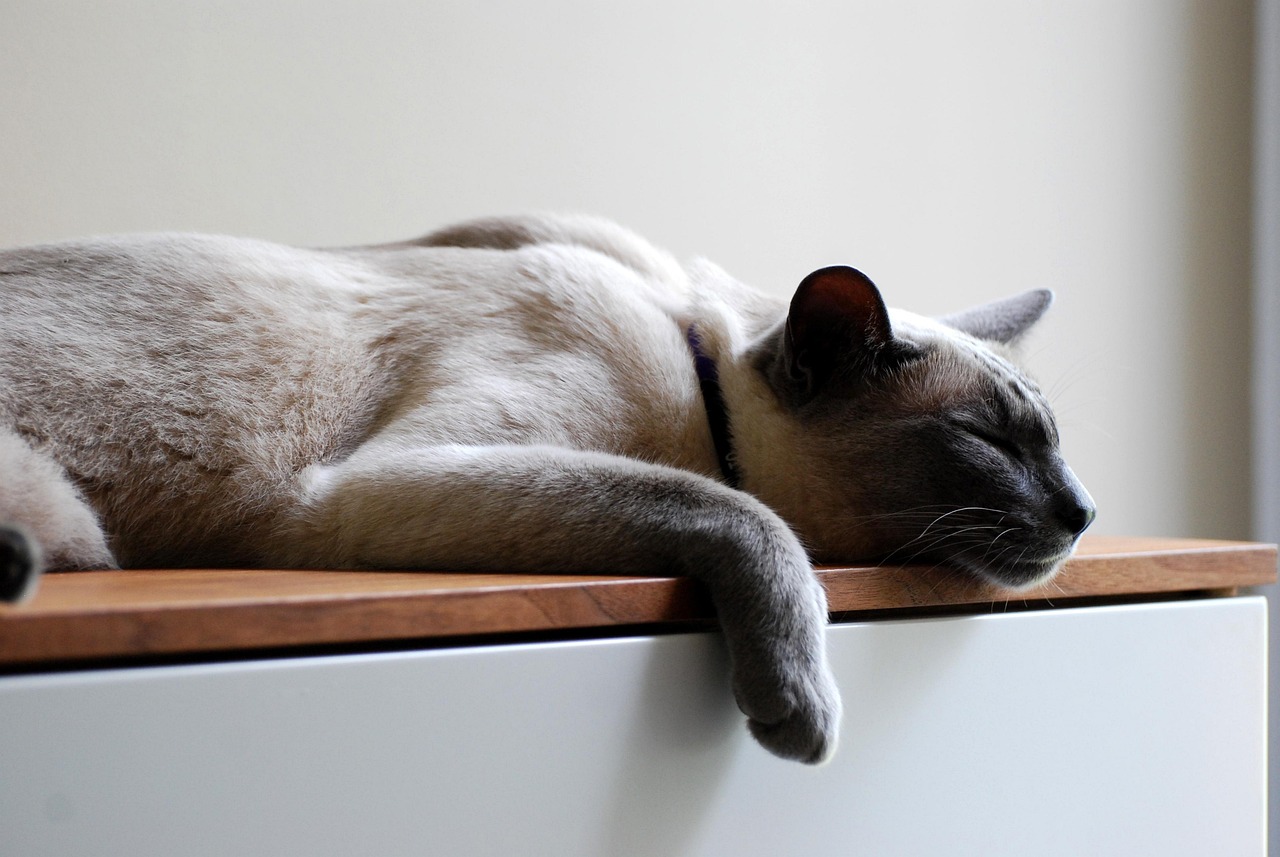
Recovery and sleep for young athletes matters because the body adapts during rest, not during training. A kid who practices 2 hours then sleeps 6 hours will improve less than a kid who practices 90 minutes and sleeps 9 hours. The American Academy of Sleep Medicine recommends 9-12 hours of sleep nightly for kids 6-12, and 8-10 hours for teens 13-18.
Sleep deprivation causes slower reaction times, worse decision-making, reduced strength, and a 1.7x higher injury risk. According to the CDC, only about 25% of teens get the recommended amount of sleep — and athletes who fix this gap see immediate gains.
The fix isn’t complicated: earlier bedtimes. No screens 30 minutes before bed. Cool, dark room. Consistent schedule even on weekends.
Active Recovery vs. Complete Rest
Recovery doesn’t always mean lying on the couch. Active recovery — light movement like walking, easy swimming, or gentle cycling — promotes blood flow that helps muscles repair faster than complete rest.
For young athletes, active recovery days might be 30-45 minutes of low-intensity play. Bike riding with friends, casual basketball shoot-around, or backyard soccer all count. The intensity should feel like a 3 out of 10 — easy enough to hold a conversation throughout.
For more on building recovery into a complete training plan, see our warm-up routines for youth sports practice.
Schedule one full rest day per week. No structured practice. No drills. The body and mind both need it.
Hydration and Nutrition for Recovery
Recovery starts with what kids eat and drink in the first 30-60 minutes after exercise. The body is most receptive to nutrients during this window. A balanced snack with carbs and protein — chocolate milk, peanut butter sandwich, fruit and yogurt — kicks off the repair process.
Hydration matters just as much. Kids should drink water consistently throughout the day, not just during practice. The American Academy of Pediatrics recommends regular water intake before, during, and after activity to support recovery and performance.
For more comprehensive guidance, check our youth sports nutrition guide. Recovery nutrition isn’t complicated — it just needs to be consistent.
Stretching, Mobility, and Foam Rolling
Post-practice stretching reduces muscle stiffness and improves recovery time. Static stretches held for 20-30 seconds work best after exercise (not before — dynamic warm-ups belong before practice).
Foam rolling can help athletes age 10+ release tight muscles. A 5-10 minute session focused on quads, hamstrings, calves, and back works wonders. Tennis balls work for younger athletes who find foam rollers too intense.
The key target areas: quadriceps, hamstrings, calves, glutes, and upper back. Spend 30-60 seconds on each muscle group. Pair this with deep breathing — slow exhales through the mouth signal the nervous system to downregulate.
Mental Recovery and Stress Management
Physical recovery isn’t enough. Young athletes need mental recovery too. Constant practice, school, social pressure, and screen time stress the nervous system. Without mental rest, performance suffers regardless of physical preparation.
Build in 30 minutes of completely unstructured time daily. No screens, no homework, no practice. Reading, drawing, playing with pets, or just walking outside gives the brain space to reset.
Pair this with our advice on pre-game mental routines for young athletes to build a complete mental game. Athletes who manage stress well outperform athletes who don’t, period. Recovery isn’t soft — it’s strategic.
Frequently Asked Questions
How many hours of sleep do young athletes need?
Kids 6-12 need 9-12 hours nightly. Teens 13-18 need 8-10 hours. Most athletes are getting far less than they need.
Should young athletes take recovery days?
Yes. At least one full rest day per week, plus active recovery sessions on light days. The body adapts during rest, not during training.
What’s the best post-practice snack for recovery?
Anything combining carbs and protein within 30-60 minutes — chocolate milk, peanut butter sandwich, yogurt with fruit, or a smoothie.
Is foam rolling safe for young athletes?
Yes for ages 10+ with proper technique. Younger kids can use tennis balls or just stretch. Avoid foam rolling injured areas.
How can I help my child sleep better?
Consistent bedtime, no screens 30 minutes before bed, cool and dark room, and limited caffeine (yes, even soda) after 2 PM.