Youth sports news May 2026 keeps the regulatory and safety conversation front and center this week. The federal HUSTLE Act picked up new co-sponsors, two state legislatures advanced concussion-protocol updates, and a fresh injury surveillance report showed ACL prevention programs are starting to move the needle in girls’ soccer. Add a wave of summer-camp registration data and a new spotlight on training-load periodization, and this is one of the most decision-relevant youth sports news May 2026 weeks of the spring.
Training and Performance Updates
HUSTLE Act Picks Up Bipartisan Co-Sponsors
The federal HUSTLE Act gained four new co-sponsors this week, increasing the odds the bill clears committee before summer recess. The bill creates tax-advantaged NIL Investment Accounts and caps agent fees at 5% — a structure that compensation analysts at the Youth Sports Business Report say could become a national template. For families navigating it without burning out their athletes, our guide on supporting young athletes without pressure still applies.
New Periodization Guidance for Youth Athletes Released
The NSCA released updated training-load periodization guidance for athletes aged 10-15, emphasizing weekly volume caps and mandatory deload weeks. The guidance also formalizes the “1:3 high-intensity to recovery” ratio that elite youth academies have been using informally for years.
Sprint Mechanics Programs Show Up in Public Schools
A growing number of public middle schools added formal sprint-mechanics blocks to PE, citing improved injury-prevention metrics across team sports.
Plyometric Boxes Get a Modular Update
Two equipment companies released stackable plyometric platforms this week aimed specifically at youth programs, addressing the 12-inch-step-up safety guidance that’s been pushed by USA Track & Field.
Safety and Injury Prevention
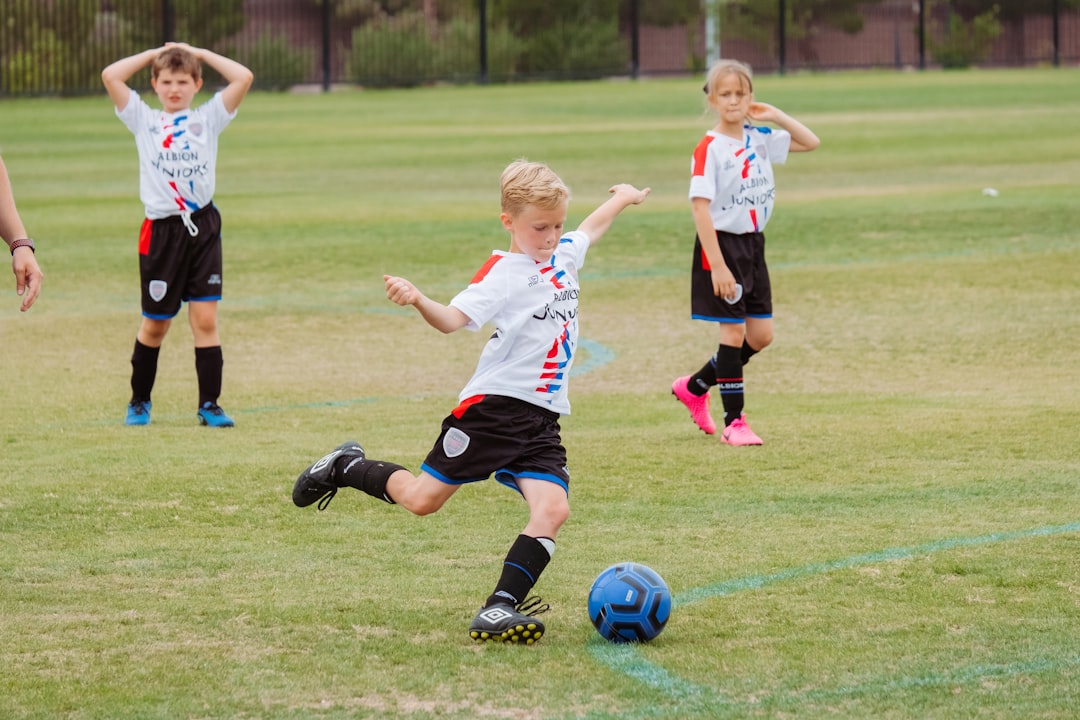
ACL Prevention Programs Cut Tear Rates in Girls’ Soccer
A multi-club surveillance report showed clubs that adopted full FIFA 11+ warm-ups three times per week saw a 22% drop in non-contact ACL injuries among girls aged 13-17 over two seasons. Pediatric sports medicine teams at MU Health continue to flag ACL injury prevention as one of the highest-leverage interventions in girls’ sports.
Concussion Protocols Expand in Two More States
Two state legislatures advanced bills tightening return-to-play windows after sub-concussive impacts. The bills require baseline neurocognitive testing before each season and a mandatory 14-day stepwise return — up from the previous seven.
Hydration Audits Land on Heat-Acclimatization Plans
With summer camps starting, two major youth sports networks pushed hydration audits as part of the heat-acclimatization checklist. Programs are formalizing pre-practice weigh-ins for the first time.
Catching Mechanics Update Reduces Shoulder Injuries
A new biomechanics study showed adjusted catching mechanics in youth softball reduced shoulder labrum strain by 18% in a 12-week trial. Several clinics updated their winter assessment templates.
Business and Community of Youth Sports
Summer Camp Registration Tracks 11% Ahead of Last Year
Registration data from a major youth-camps platform shows summer 2026 enrollment running 11% ahead of last year, with skills-specific camps (goalkeeper, pitching, sprinting) outpacing general multi-sport camps for the second year running.
Youth Soccer Drill Demand Surges
Search interest for youth soccer drills continues to climb — see our youth soccer drills for beginners guide for the foundational sequence.
Volleyball Skills Training Gains Traction
Volleyball is now one of the fastest-growing high school sports; our youth volleyball skills training guide is a fast on-ramp.
Travel-Team Economics Hit a Tipping Point
A new survey from Project Play showed travel-team participation declined for the first time in five years, driven by cost pressure rather than interest. Coaches expect a flight to local club programs in 2026-2027.
Coach Certification Renewal Push Begins
Two national governing bodies sent renewal reminders this week tied to updated background-check requirements that go live July 1.
Sources
- Project Play — State of Play 2025
- Youth Sports Business Report
- MU Health — Parents Playbook on Youth Sports Injuries
- Athenahealth — Sports Medicine and Youth Injuries
- NSCA — Position Statements and Guidance
Frequently Asked Questions
What is the biggest youth sports news May 2026 story this week?
The federal HUSTLE Act added four new bipartisan co-sponsors, putting the bill on track to clear committee before summer recess and giving the NIL Investment Account framework real political momentum.
How big is the ACL injury problem in girls’ soccer?
Non-contact ACL injuries remain the highest-leverage injury to prevent. New surveillance data showed clubs running FIFA 11+ warm-ups three times per week cut tear rates by 22% over two seasons.
What’s the right periodization for youth athletes 10-15?
New NSCA guidance recommends weekly volume caps, mandatory deload weeks, and a roughly 1:3 high-intensity-to-recovery ratio. Avoid year-round single-sport intensity.
Why are travel teams declining?
Cost, not interest. Project Play data shows the decline is driven by family budget pressure, with families moving to local club programs that are often higher quality and significantly cheaper.
When do new concussion protocols take effect?
Two states advanced bills this week that mandate 14-day stepwise return-to-play windows and pre-season baseline neurocognitive testing. Most go live for the fall 2026 season.