
If you’re coaching young players or looking for youth soccer drills for beginners, the first few sessions matter more than most coaches realize. The drills you choose will either spark a lifelong love of the game or turn practice into something kids dread. The good news is that the best beginner drills are simple, fun, and build foundational skills that carry players through every level of competition.
At SportsSteps, we work with coaches who understand that early development is about building habits, not running complex plays. These seven drills are designed for players aged 5 to 10 who are just getting started with the sport.
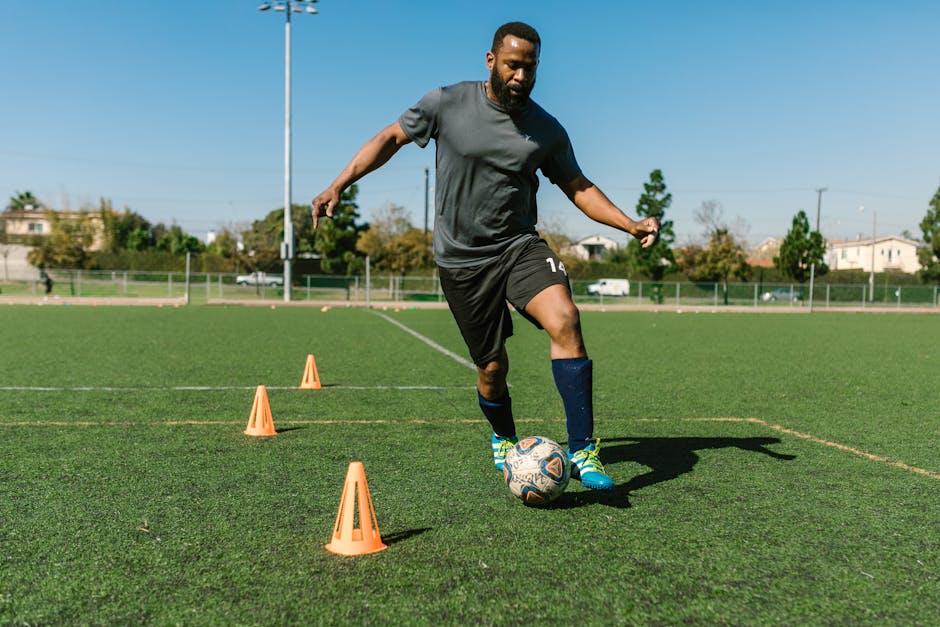
Why Beginner Drills Need to Be Different
Young athletes process movement differently than older players. According to the American Academy of Pediatrics, children under 10 are still developing spatial awareness, bilateral coordination, and the ability to track moving objects. That means drills designed for older players will frustrate beginners and slow their development.
The best youth soccer drills for beginners prioritize touch, comfort on the ball, and movement in all directions. Winning and losing should be secondary to repetition and discovery.
Drill 1: Toe Taps (Ball Familiarity)
Have each player stand with a ball in front of them. They alternate tapping the top of the ball with the sole of each foot, keeping a steady rhythm. Start slow and increase speed as they gain confidence.
Why it works: Toe taps build the foot-eye coordination that every other skill depends on. Players learn to feel the ball without looking down, which is the single most important habit for a beginner.
Coaching tip: Play music and have kids tap to the beat. This turns a repetitive drill into a game and keeps energy high.
Drill 2: Shark Attack (Dribbling Under Pressure)
Set up a large square with cones. Every player dribbles inside the square. One or two players are “sharks” who try to kick balls out of the square. If your ball gets kicked out, do three toe taps and come back in.
Why it works: This is one of the most effective youth soccer drills for beginners because it teaches close ball control in a chaotic environment. Kids learn to shield, change direction, and keep their heads up, all while having a blast.
Drill 3: Gate Dribbling
Place pairs of cones about two feet apart throughout the field to create “gates.” Players dribble through as many gates as possible in 60 seconds. Count how many they complete and challenge them to beat their own score.
Why it works: Gate dribbling forces players to look up, plan a path, and change direction, which are the three core elements of game-speed dribbling. The self-competition element keeps kids motivated without the anxiety of head-to-head matchups.
Drill 4: Partner Passing Relay
Line players up in pairs facing each other about eight feet apart. They pass back and forth using the inside of the foot. After five successful passes, both players take one step back. See which pair can get the farthest apart while still completing clean passes.
Why it works: Passing accuracy is a skill most beginner programs neglect because it seems boring. The progressive distance element adds just enough challenge to keep young athletes engaged. This drill also introduces the concept of a firm, flat pass using the inside of the foot.
Drill 5: Red Light, Green Light With the Ball
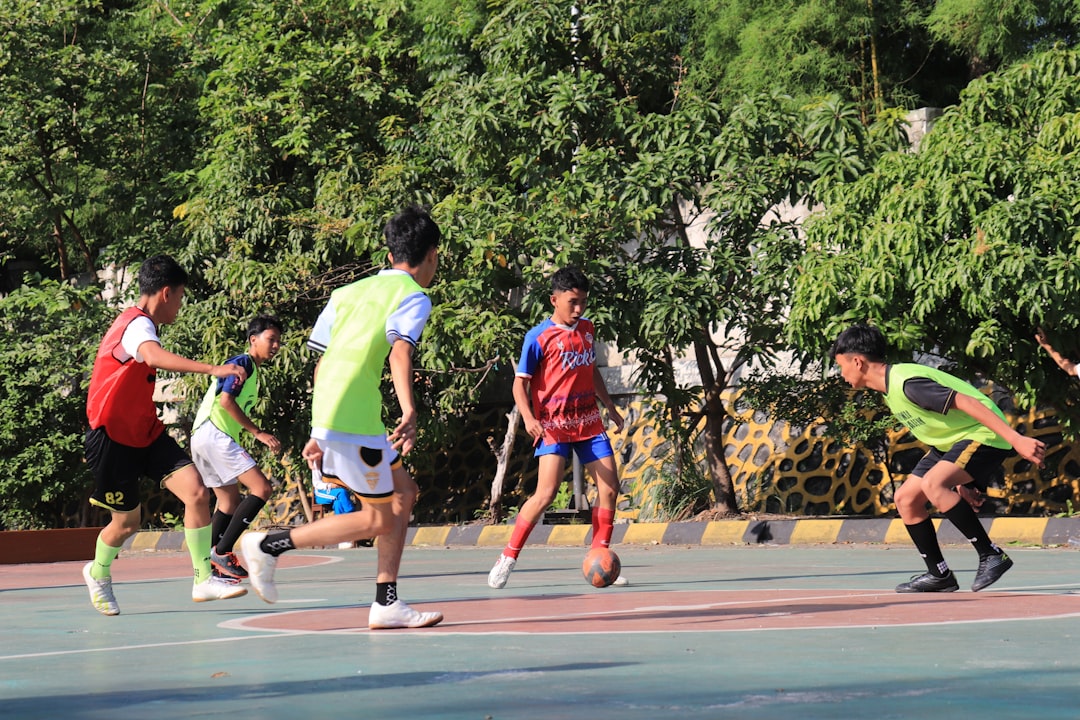
This classic game gets a soccer upgrade. On “green light,” players dribble toward the coach. On “red light,” they must stop the ball with the sole of their foot. On “yellow light,” they dribble slowly. Anyone whose ball rolls away on a red light goes back to the start.
Why it works: Stopping the ball is just as important as moving it. Many youth soccer drills for beginners focus only on forward movement, but this drill teaches deceleration and ball control at the same time. The US Soccer Development Academy emphasizes that ball mastery includes the ability to stop and start on command.
Drill 6: Shooting Carnival
Set up a small goal (or two cones) and place five balls in an arc about eight yards out. Players take one shot after another with no pause between them. Focus on hitting the target, not power. Rotate shooters quickly to keep the line moving.
Why it works: Beginners rarely get enough shooting repetitions in a normal practice. This station-style setup maximizes touches and reduces standing-around time. Emphasize placement over power, and celebrate every shot that hits the target.
Drill 7: 3v3 Scrimmage (Small-Sided Game)
End every practice with a 3v3 or 4v4 game on a small field. No goalkeepers, no offsides, and minimal stoppages. Let kids play and make mistakes. Coach only during natural breaks.
Why it works: Small-sided games give beginners more ball touches, more decisions, and more goal-scoring opportunities than full-sided matches. Research from UEFA’s grassroots coaching program consistently shows that players develop faster in small-sided environments.
How to Structure a Beginner Practice
A solid one-hour practice for beginners should follow this structure:
- Warm-up (10 min): Toe taps, free dribbling, dynamic stretching
- Skill drill 1 (10 min): Gate dribbling or partner passing
- Skill drill 2 (10 min): Shark attack or red light/green light
- Shooting (10 min): Shooting carnival
- Scrimmage (15 min): 3v3 or 4v4
- Cool-down (5 min): Light stretching and team huddle
Keep instructions short. Demonstrate everything. And remember: if kids are laughing, they’re learning.
Common Mistakes Coaches Make With Beginners
The biggest mistake is talking too much and playing too little. Young athletes learn through doing, not listening. Keep explanations under 30 seconds and get them moving.
Another mistake is running the same youth soccer drills for beginners every single week. Rotate drills regularly and add small variations to keep things fresh. A platform like SportsSteps can help you plan varied sessions and track what your players have worked on.
Finally, avoid emphasizing winning too early. The goal at the beginner level is development, enjoyment, and retention. Players who love the game at age 7 will still be playing at age 17.
Wrapping Up
These seven youth soccer drills for beginners are designed to build real skills while keeping practice fun and engaging. Focus on repetition, encouragement, and small-sided play, and you’ll develop players who are confident, skilled, and eager to come back next week.
Frequently Asked Questions
How many times per week should beginners practice youth soccer drills?
Two to three sessions per week is ideal for beginners aged 5 to 10. Each session should last 45 to 60 minutes with plenty of water breaks. More important than frequency is consistency, so pick a schedule families can stick with throughout the season.
What equipment do I need to run youth soccer drills for beginners?
You need a ball for every player (size 3 for ages 5-7, size 4 for ages 8-12), 20 to 30 flat disc cones, and two small pop-up goals or extra cones for goal posts. Avoid expensive gear at this stage and focus on maximizing ball touches.
At what age should kids start structured youth soccer drills?
Most children are ready for basic structured drills around age 5. Before that, unstructured play with a ball is more beneficial. The American Academy of Pediatrics recommends focusing on fun and exploration rather than sport-specific training before age 6.