
The start is over before most swimmers even realize the race has begun, but it sets the tone for everything that follows. A clean, explosive entry off the blocks can put you a body length ahead before your first stroke, while a sloppy one can cost you the race before you’ve even started swimming.
This guide breaks down the racing dive start into its three working parts — getting set on the block, the dive itself, and the underwater entry — so you can drill each piece and put together a start that actually holds up on race day.
Quick Answer
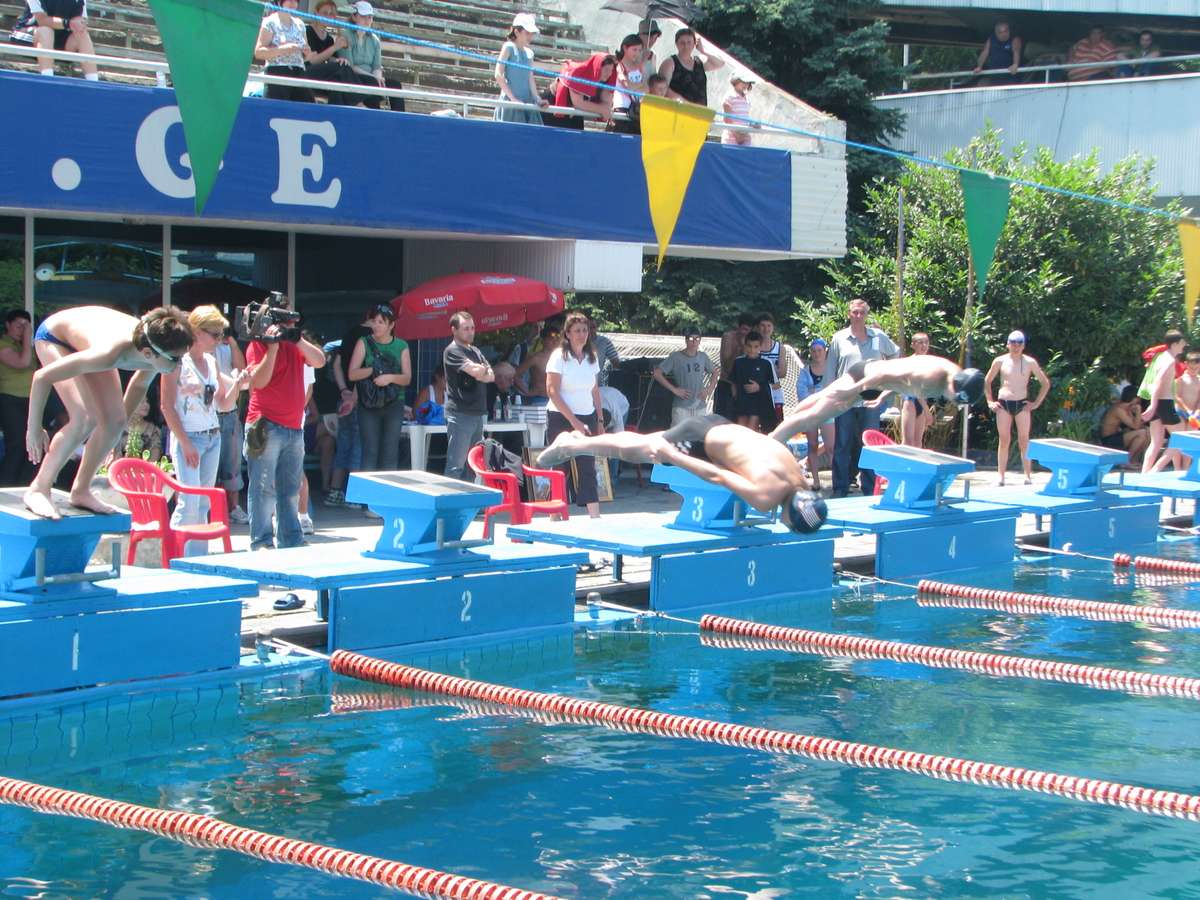
A racing dive start has three phases: set up on the block with your hips high and weight loaded forward, drive off the block the instant the starting signal sounds, and enter the water in a tight streamline that lets you glide before breaking out into your first stroke. The track start, where one foot is set back behind the other, is the most common technique used by competitive swimmers today.
Setting Up on the Block
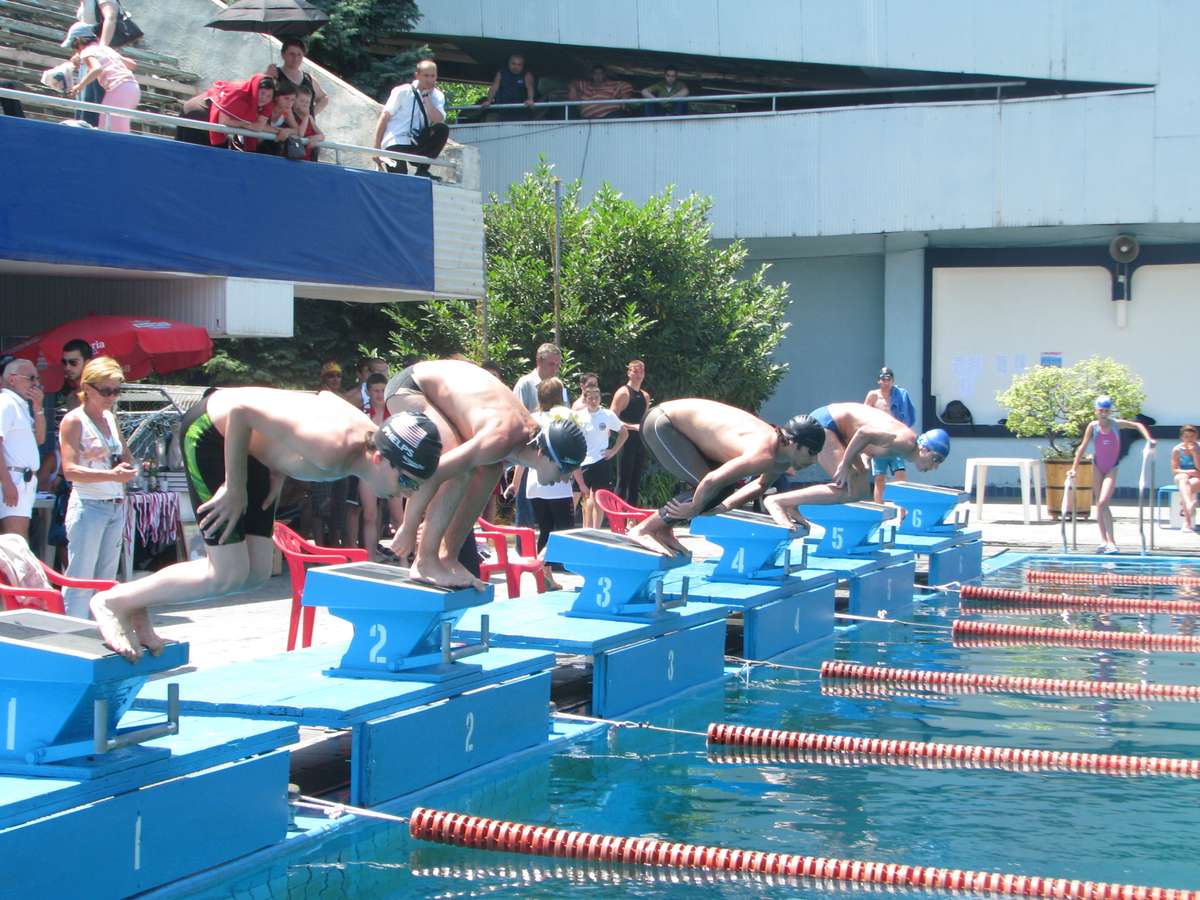
Most competitive starting blocks have an adjustable rear wedge or kick plate, and whether you use it comes down to which start you choose. In a grab start, both feet sit side by side at the front edge of the block with your fingers gripping the front, toes curled over the edge. In a track start, one foot sets at the front edge and the other sits back on or near the kick plate, similar to a sprinter’s stance — this is the start most swimmers and coaches favor today because it generates a quicker, more powerful first move off the block.
Whichever stance you use, the setup fundamentals are the same: knees bent, hips raised and pushed back over your feet, head down, and your weight already shifted toward the front of the block so you’re falling forward the instant you move rather than pushing up and out. On the starter’s command to take your mark, settle into this position and hold it still — any extra movement just slows your reaction when the signal sounds.
The Dive and the Entry
When the starting signal sounds, drive off the block by extending your legs explosively and swinging your arms forward rather than popping straight up. The goal is a shallow, fast trajectory toward the water, not height — a dive that goes too far up wastes time and increases how far you have to travel before you’re actually making progress toward the other end of the pool.
While you’re in the air, bring your arms together overhead into a tight streamline, one hand stacked on the other, biceps squeezing your ears. Point your hands and head at a spot on the water in front of you rather than straight down, so you enter at a slight angle instead of slapping flat or diving too steep. Keep your body rigid through entry so you slice into the water with minimal splash, then hold the streamline underwater to let your momentum carry you forward before you start your kick.
The breakout — your first kick and pull after the glide — matters just as much as the dive itself. Don’t rush it: start kicking (dolphin kick for most strokes other than breaststroke) while you’re still gliding underwater, and time your first stroke to arrive right as your momentum starts to fade, usually a body length or more past where you entered.
Tips and Common Mistakes
Diving too high off the block is one of the most common mistakes — it feels powerful but actually costs time because you spend longer in the air instead of moving toward the finish. Focus on pushing out, not up.
Rushing the first stroke is another frequent error. Many swimmers start pulling before their feet have fully entered the water or before their glide has lost speed, which breaks the streamline early and kills the momentum the dive just built.
Practice your reaction to the start signal specifically, not just the dive itself — a slow or hesitant reaction off the block can cost more time than a technically perfect dive. Drill the whole sequence, from the set position through the breakout, as one continuous motion rather than practicing the pieces in isolation.
If you’re new to diving off blocks or working with younger swimmers, start with the track start rather than the grab start — it’s generally easier to learn and gives a more stable, powerful first push, and it’s what most competitive programs teach first.
Explore more: more swimming technique guides.
Racing dive start FAQs
What’s the difference between a grab start and a track start?
In a grab start, both feet are together at the front edge of the block. In a track start, one foot is forward at the edge and the other is set back on the kick plate, similar to a sprinter’s stance. The track start is generally favored today because it allows a quicker, more powerful first move off the block.
Should I dive high or flat off the block?
Aim for a shallow, fast trajectory rather than height. A dive that goes too far up in the air wastes time in flight instead of moving you toward the other end of the pool.
When should I start kicking after the dive?
Begin kicking while you’re still underwater and gliding in your streamline, before your momentum fades. Starting your first stroke too early, before the glide has done its job, breaks your streamline and loses speed.
How do I improve my reaction time off the blocks?
Reaction time is a separate skill from dive technique and needs its own practice. Drill starting from the ‘set’ position and reacting to the actual starting signal repeatedly, rather than only practicing the dive and entry in isolation.
Level Up With SportsSteps
Track your athlete’s progress, connect with coaches and your team, and grow — get the SportsSteps app. Get the SportsSteps App.
Want training tips and sports news in your inbox? Subscribe to the free newsletter.
Photo: Norman Bailey/Australian Paralympic Committee / CC BY-SA 3.0, via Wikimedia Commons.