Tryout day is stressful enough without a last-minute scramble over socks, cleats, or whether jewelry is allowed on the field. Coaches are evaluating skill, not style, but the wrong outfit can still distract your kid or slow them down when it matters most.
This checklist walks through what to wear to youth sports tryouts across the most common sports, plus the small gear details — like sock material, cleat type, and hair ties — that parents often overlook until it’s too late.
Quick Answer
For most youth sports tryouts, dress your child in a breathable (non-cotton) shirt, athletic shorts or leggings, moisture-wicking socks, and sport-appropriate shoes — cleats for field sports, basketball shoes for hoops, running shoes for conditioning drills. Skip all jewelry, confirm the exact gear list from the league or club beforehand, and pack a labeled bag with a water bottle and a backup layer for the weather.
The Core Checklist, Sport by Sport
Start with the basics that apply almost everywhere: a fitted, moisture-wicking shirt (cotton gets heavy and clingy once your kid starts sweating), athletic shorts or compression leggings that won’t ride up or restrict movement, and non-cotton socks to cut down on blisters during repeated sprints and drills.
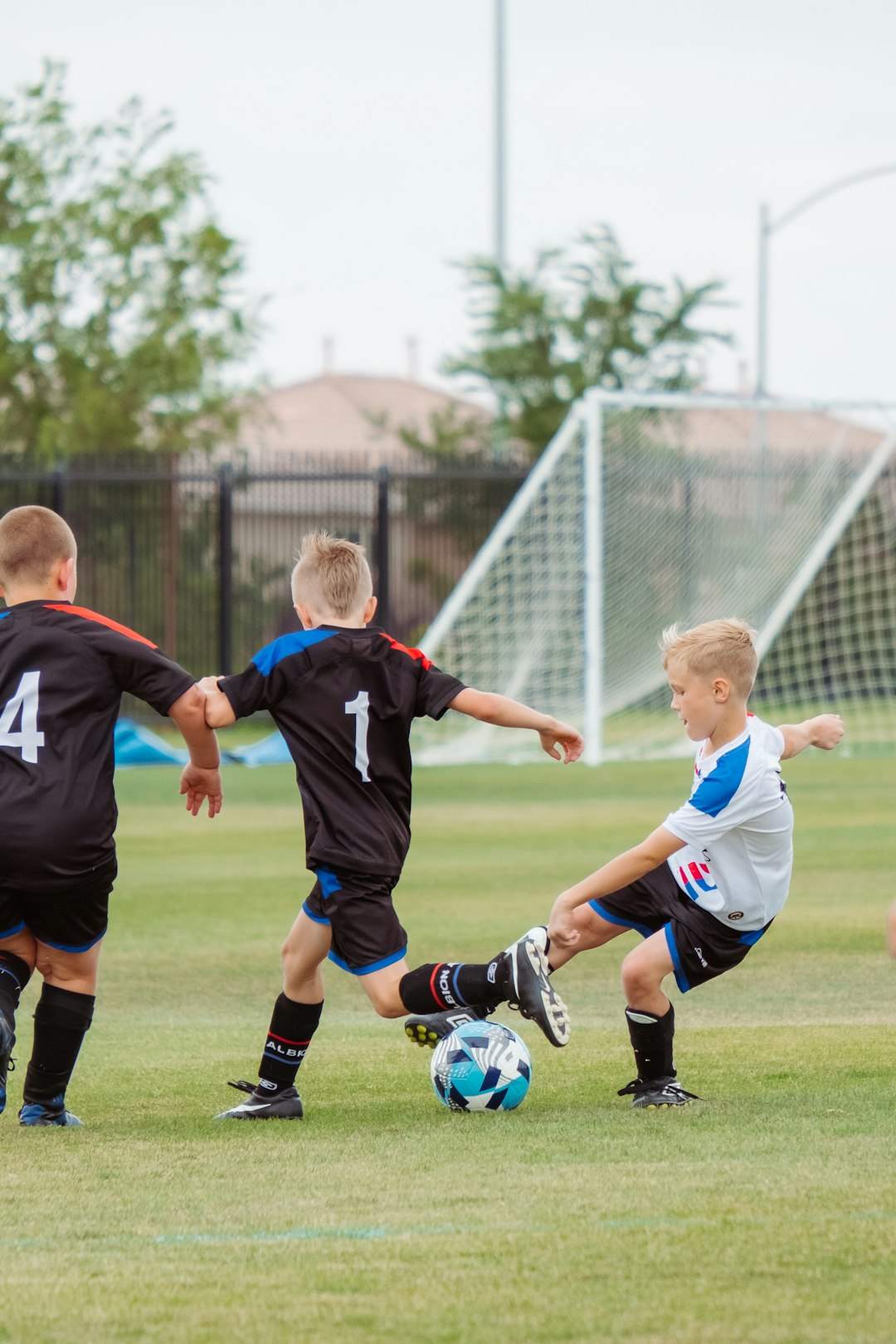
For soccer, that usually means a T-shirt, athletic shorts, over-the-calf socks, shin guards, and soccer cleats — though many clubs will let a child try out in running shoes if they don’t own cleats yet, since coaches are evaluating ability, not footwear. Check your league’s rules first; metal cleats are typically banned at the youth level.
For basketball, plan on a plain shirt (some tryouts ask for a specific color, or assign a number to write on with marker/tape), athletic shorts of reasonable length, and basketball shoes with proper lacing and ankle support — not casual sneakers.
For baseball and softball, athletic pants or shorts, a fitted shirt, a glove, and molded cleats (not metal, for most youth divisions) are the standard. For football, check whether the organization provides pads and a helmet for tryouts or expects players to bring their own.
For cheer and dance tryouts, programs often specify details down to the shoe color and hairstyle — commonly solid-color shorts, a fitted top that can be tucked in, clean athletic or cheer shoes, and hair pulled back and off the face.
Gear and Details Parents Forget
Jewelry is the single most common reason a coach or official asks a kid to change something on the spot. Most youth leagues prohibit earrings, necklaces, bracelets, and watches during tryouts and games for safety, and the standard expectation is that jewelry comes off completely — covering earrings with tape or a bandage is not a reliable workaround. Policies vary by sport, age division, and governing body (some have eased rules for small stud earrings in certain sports, while hoops and dangling styles stay banned even when taped), so don’t assume tape will be accepted. If your child has new piercings that can’t be removed yet, contact the specific league or club well before tryout day, since many piercers and leagues recommend waiting several weeks before ears can be left bare for contact sports.
Hair that can block vision or get grabbed during contact drills should be tied back. Fingernails should be kept short enough that they don’t cause scratches during contact sports.
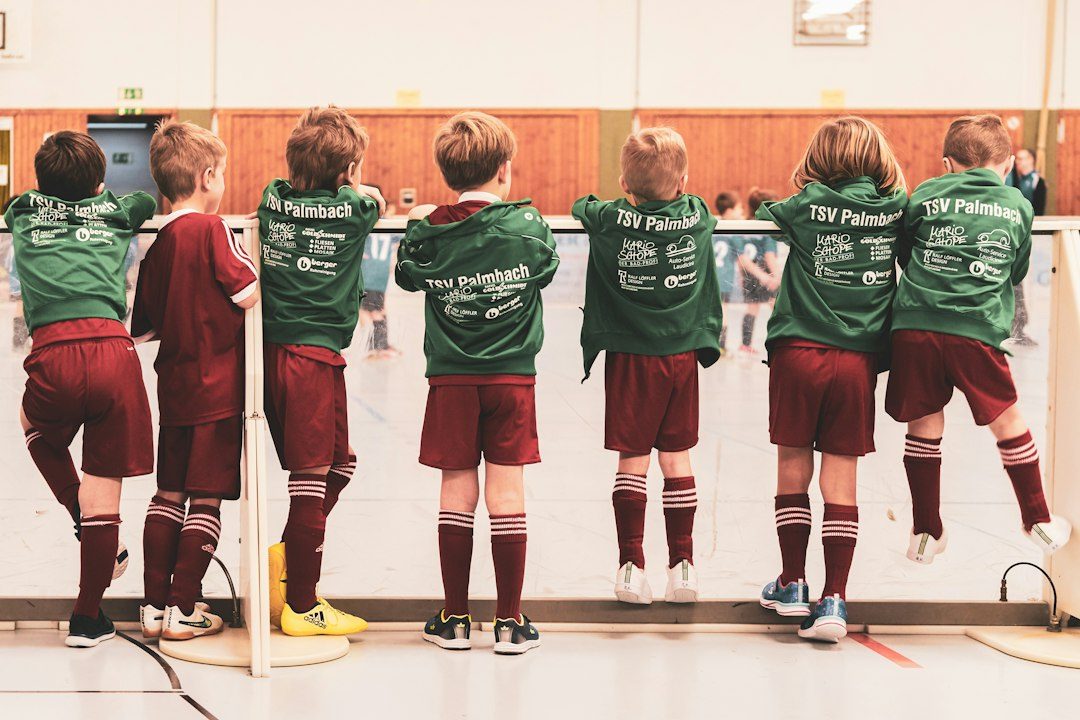
Weather is easy to misjudge. If there’s any chance of rain, ask whether tryouts will move indoors — if so, your child needs indoor court shoes, not cleats, in the bag. Pack a dry change of socks and a light jacket for breaks between evaluation groups either way.
Always read the tryout email or registration packet closely. Many clubs specify exact requirements — a particular shirt color, a number written in marker, or a specific shoe type — and showing up without it can mean your child stands out for the wrong reason before they’ve even touched the ball.
Tips / Common Mistakes
Don’t buy brand-new shoes the morning of tryouts — unbroken-in cleats or basketball shoes cause blisters and hot spots that affect performance. Break them in during practice sessions beforehand.
Avoid baggy or oversized clothing borrowed from an older sibling; loose shorts or long sleeves can genuinely slow a kid down or get tangled during drills.
Don’t skip sunscreen and a hat for outdoor tryouts that run long, and don’t forget a labeled water bottle — tryout sessions often run back-to-back with little downtime.
Resist the urge to over-equip a young player with gear they haven’t used before (new gloves, new mouthguards, new pads). Familiar gear performs better than impressive-looking new gear.
Explore more: More tryout and game-day prep guides for parents.
Youth sports tryout attire FAQs
Can my child wear cleats to every sport tryout?
No — cleats apply to field sports like soccer, football, baseball, and softball. Basketball and volleyball tryouts require court shoes, and most leagues ban metal cleats for youth players regardless of sport.
Is jewelry really not allowed at tryouts?
Most youth sports organizations prohibit earrings, necklaces, bracelets, and watches during tryouts and games for safety, and the usual rule is that jewelry must be removed entirely rather than taped or bandaged over. Exact rules vary by sport and age group, and taping is often rejected as a substitute, especially for contact sports. If your child has new ear piercings that can’t come out yet, check with the specific league well in advance rather than assuming tape will be permitted.
What if we don’t own the ‘required’ gear yet?
Email the club or check the tryout packet — many programs let kids try out in basic running shoes or without full gear for the first evaluation, since coaches are assessing skill, not equipment. Just don’t assume; confirm in writing.
Should my child wear a cup or mouthguard to tryouts?
If the sport is a contact sport (football, lacrosse, hockey, baseball/softball catching) and the league requires protective gear for drills, bring it. Check the tryout notice, since requirements vary by age group and by whether tryouts include contact drills.
Level Up With SportsSteps
Track your athlete’s progress, connect with coaches and your team, and grow — get the SportsSteps app. Get the SportsSteps App.
Want training tips and sports news in your inbox? Subscribe to the free newsletter.
Photo by Quilia on Unsplash.