
Cleats aren’t one-size-fits-all across sports, and buying the wrong pair can mean blisters, slipping, or even getting your child benched for an equipment violation. Soccer, football, baseball, softball, and lacrosse each have their own stud patterns, materials, and league rules about what’s legal on the field.
This guide walks through how to size cleats for a growing foot, what separates molded, detachable, and turf cleats, and what each major youth sport typically requires — so you can shop with confidence instead of guessing in the store aisle.
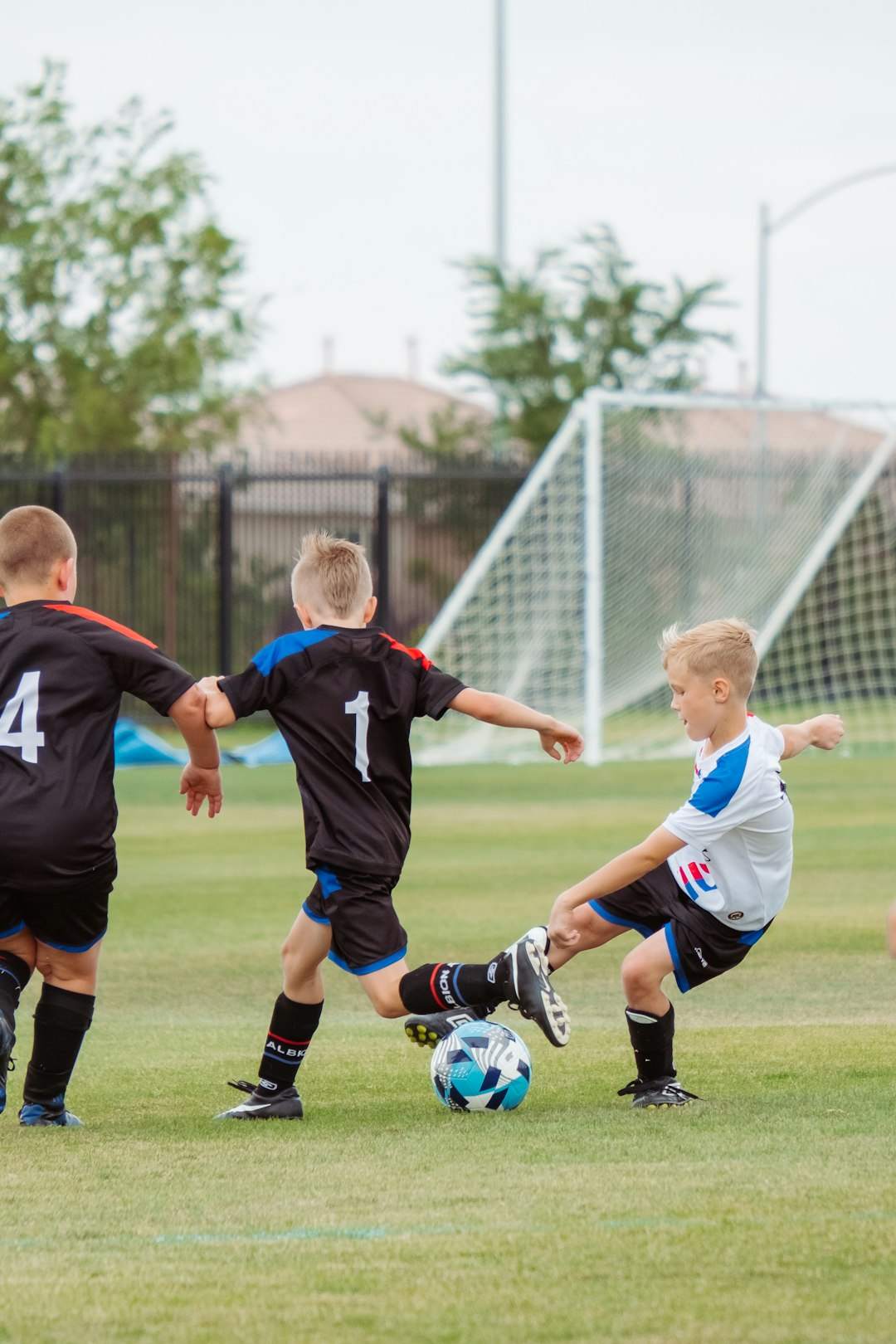
Quick Answer
Match the cleat to the sport and surface first, then fit: most youth leagues require molded (not metal) studs, and cleats should fit snugly with roughly a thumb’s width of room at the toe — not sized up to ‘grow into.’ Always check your specific league’s equipment rules before buying, since age divisions within the same sport often have different cleat requirements.
Getting the Fit Right
Kids’ feet grow fast, but oversized cleats do more harm than good — loose shoes cause heel slip, blisters, and lost traction on cuts and sprints. A good rule of thumb: leave about a thumb’s width of space between the longest toe and the end of the shoe, with the heel locked in place and no pinching across the widest part of the foot. Have your child try cleats on with the same socks they’ll wear to practice, and check fit standing and moving, not just sitting.
Because youth feet can grow half a size or more in a season, it’s worth re-checking fit every couple of months rather than assuming last season’s pair still works. Synthetic and mesh uppers tend to break in faster and flex more easily than leather, which can matter for younger or more sensitive feet. Most youth cleats are built to be affordable since kids outgrow them quickly — there’s rarely a reason to pay for premium adult-level materials on a cleat your child will be out of within a year.
Log training and see progress over time. Start logging free →
Sport-by-Sport Cleat Guide
Soccer: Firm-ground (molded) cleats with conical or bladed plastic studs are the default for natural grass fields and are what most youth soccer leagues expect. If your child plays on artificial turf regularly, dedicated turf shoes (flat, numerous small rubber nubs) protect the field and are often required there instead of firm-ground cleats. Soft-ground cleats with longer, sometimes metal-tipped studs are mainly for wet, muddy adult-level fields and are not typically needed — or allowed — for youth play.
Football: Youth football cleats need low-profile molded rubber or plastic studs rather than metal spikes, which are banned at every level of football. Many youth programs — including Pop Warner — generally allow molded soccer-style cleats, and a toe stud isn’t strictly required, so one pair of molded cleats can often cover both sports for a younger player. That said, dedicated football cleats usually add more ankle support and a sturdier upper for contact and cutting, which is why some families switch to football-specific cleats once a player moves into a full-contact position. Detachable-stud cleats exist but are less common at the youth level than at high school and college; if your league allows them, the studs must lock in securely and can’t have sharp or concave edges. Rules vary by league and age division, so check your specific equipment policy before game day.
Baseball and softball: Little League’s official rules permit molded (plastic) cleats at every division, and allow removable spikes in the Majors division and below only if no metal is exposed once the spikes are removed. Metal spikes become permitted starting at the Intermediate (50/70), Junior, and Senior divisions. Many travel and rec leagues mirror this molded-only approach for younger players, so confirm your specific league and division before buying metal cleats for a player under about 13.
Lacrosse: Cleats should be designed for lacrosse or football/soccer-style molded studs — metal baseball-style spikes are commonly prohibited by youth and club lacrosse rules, and high school rules point the same direction. Molded rubber or plastic cleats with a supportive, low-to-mid-cut design are the standard recommendation for both field players and goalies.
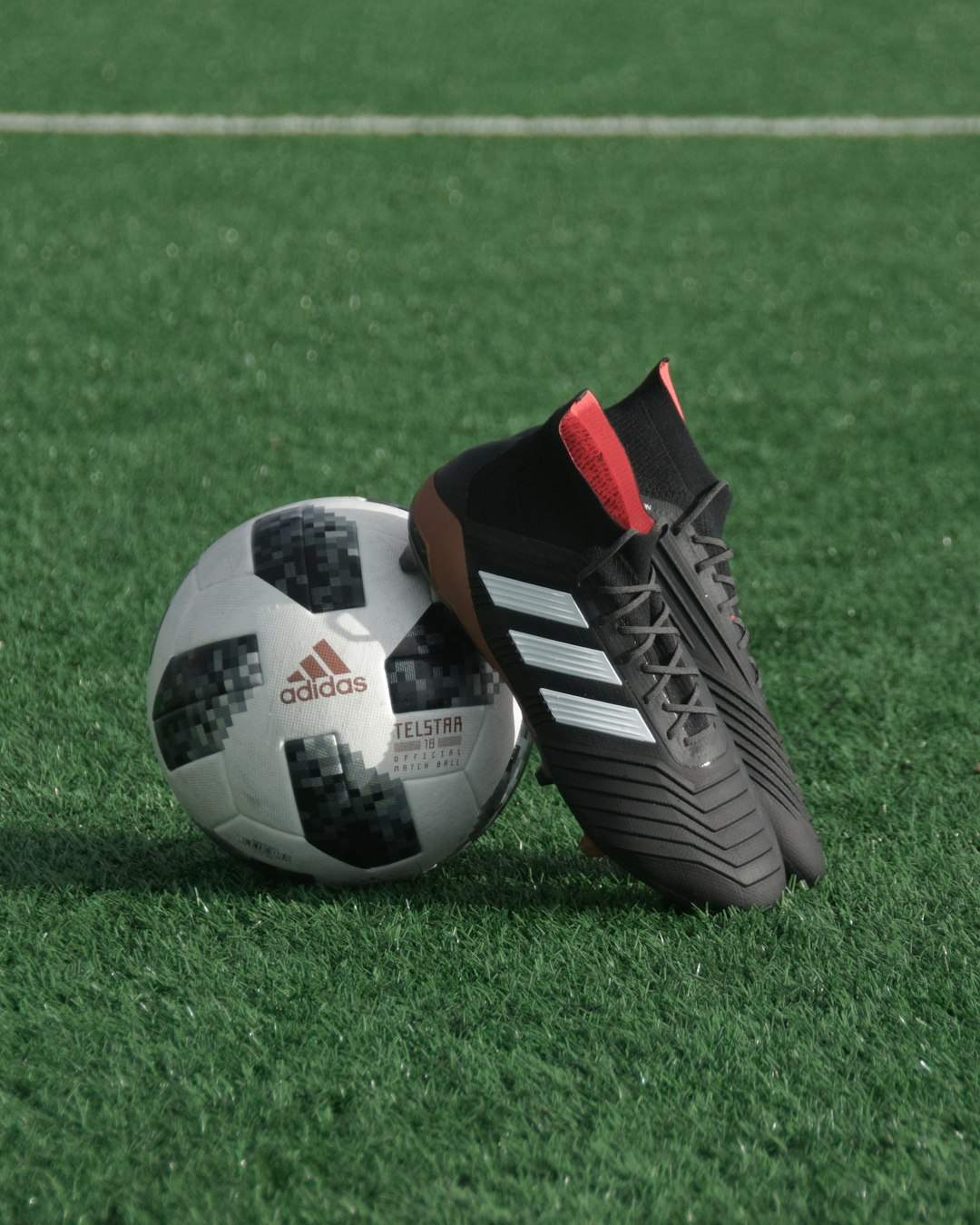
Tips and Common Mistakes
Don’t buy a size (or more) up ‘for growth’ — it feels like saving money but costs your child speed, traction, and comfort all season. Don’t assume every cleat works for every sport: baseball and softball cleats have their own stud pattern and are banned with metal spikes in most youth soccer, football, and lacrosse leagues, so a baseball cleat isn’t a safe substitute even though a molded soccer cleat often works fine for youth football. Don’t skip the league rulebook or equipment list — many associations post this on their website, and showing up with illegal cleats on game day can mean a scramble for a backup pair. Finally, break in new cleats at practice before a big game; stiff new uppers plus a long game is a common source of blisters.
Explore more: more youth sports gear and training guides.
Kids’ cleats buying guide FAQs
Can my child wear soccer cleats for football or baseball?
For football, often yes — many youth programs, including Pop Warner, generally allow molded soccer-style cleats, and a toe stud isn’t strictly required. Baseball and softball are different: those sports use their own stud pattern and ban metal spikes at the younger divisions, so a soccer cleat can work in a pinch, but a sport-specific cleat is still the safer long-term buy.
Are metal cleats ever allowed for younger kids?
Usually not. Most youth baseball, softball, football, soccer, and lacrosse organizations require molded (plastic or rubber) studs at the younger age divisions and only permit metal spikes once players reach older youth or high school levels — Little League, for example, allows metal starting at its Intermediate 50/70, Junior, and Senior divisions. Always confirm with your specific league.
How often should I replace my kid’s cleats?
Plan around growth more than wear — most kids need new cleats every season or two as their feet grow, even if the pair still looks fine. Check fit at the start of each season and again partway through if your child is in a growth spurt.
Level Up With SportsSteps
Log training and see progress over time
Pair your gear with a free training log, progress tracking, and an AI coach for your sport.
Start logging freeFor families, athletes, coaches & clubs
Want training tips and sports news in your inbox? Subscribe to the free newsletter.
Photo by Quilia on Unsplash.