
Most youth leagues tell parents they’re “covered” by insurance, but that coverage is almost never as complete as it sounds. League accident policies are usually thin, secondary, and capped well below what a serious injury can cost.
This guide breaks down what youth sports insurance typically covers, where the gaps are, and how to figure out whether your family needs a policy of your own on top of what the league provides.

Quick Answer
Youth sports insurance is usually a secondary (“excess”) accident policy carried by the league, covering medical bills left over after your family’s health insurance pays its share, up to a set limit. Whether you need additional coverage depends on your family’s deductible, out-of-pocket max, and whether you have health insurance at all.
What League Insurance Actually Covers
Almost every registered youth league, from local recreation leagues to Little League chartered teams, carries some form of participant accident insurance. It typically pays medical expenses for injuries that happen during a practice, game, or sanctioned team travel, and may include an accidental death and dismemberment (AD&D) benefit for catastrophic outcomes.
The key detail most parents miss: this is usually excess or secondary coverage, not primary insurance. That means the claim goes to your family’s own health plan first; the league’s policy only kicks in for costs your plan doesn’t cover, such as a deductible, copay, or coinsurance on a sports-related injury. If a family has no primary health insurance, some league policies will step in and pay as if they were primary, but the payout is still capped.
Those caps vary a lot by organization and by the limits a league chooses to buy. General accident add-on coverage from providers like K&K Insurance is commonly capped in the tens of thousands of dollars per claim, while some national governing bodies have been raising their medical maximums; for example, programs under Little League’s insurance plan have bumped participant medical limits into the hundreds of thousands for the 2026 season. Separately, leagues usually also carry general liability insurance, which protects the organization (not your child’s medical bills) if someone sues over negligence, like an unsafe field or poorly maintained equipment.
Catastrophic injury coverage is a distinct, higher-limit policy some leagues and school athletic associations add on top of standard accident coverage, specifically for severe injuries such as spinal trauma or traumatic brain injury that produce medical bills far beyond a normal accident claim.
Track your kid's progress and get age-right drills free. Create a free account →
Does Your Family Actually Need Your Own Policy?
Start by asking the league for the actual policy summary, not just a verbal assurance of “coverage.” You want three numbers: the per-claim maximum, whether it’s primary or excess, and what’s excluded (many policies exclude pre-existing conditions, dental injuries beyond a certain scope, or chronic conditions like concussion-related long-term care).
If your family has a high-deductible health plan, a league’s excess accident policy can be genuinely useful; it’s built to absorb exactly that kind of deductible and copay. If your family has no health coverage at all, the league policy may be the only thing standing between you and a full ER bill, and it’s worth confirming upfront how it handles that situation.
Families who travel for competitive or select-level teams, where injuries can happen out of state or during tournaments, are the ones who most often end up needing extra protection, since some league accident plans limit or exclude non-local travel activities. A short-term personal accident or travel-sports policy, bought directly from a sports insurance broker for the season or tournament, is the common fix.
Parents of kids in higher-contact sports (football, wrestling, competitive cheer, ice hockey) should pay closer attention to whether the league’s plan includes a dedicated concussion benefit or catastrophic rider, since standard accident caps can be used up quickly by imaging, specialist visits, and follow-up care after a head injury.
Tips & Common Mistakes
Don’t assume ‘the league has insurance’ means your out-of-pocket risk is zero; ask for the per-claim limit and whether it’s primary or secondary before the season starts.
Keep every receipt and medical bill from a sports injury, even small ones, since excess policies typically require proof of what your primary insurance already paid before they’ll reimburse the rest.
If your child plays travel or tournament ball, check whether the league’s accident policy actually extends to away games and overnight trips, this is one of the most common coverage gaps.
Re-check coverage every season. Limits, carriers, and exclusions change year to year, and a league that upgraded its policy last year may have switched providers again.
Explore more: More youth sports guides.
Youth Sports Insurance FAQs
Is youth sports insurance the same as my health insurance?
No. Most league-provided youth sports insurance is a secondary accident policy that pays after your family’s own health insurance, covering leftover costs like deductibles and copays, not a replacement for primary health coverage.
What does a league’s general liability policy cover versus accident insurance?
General liability protects the league itself if it’s sued for negligence (like an unsafe facility). Accident insurance pays medical bills for an injured player. They’re separate policies, and a league needing one doesn’t guarantee it has the other adequately funded.
Should I buy extra sports accident insurance for my child?
It depends on your family’s deductible, whether you have health insurance, and whether your child plays travel or contact sports. If the league’s per-claim limit is low or excludes travel, a short-term personal accident policy is worth the relatively small cost for the peace of mind.
Level Up With SportsSteps
Track your kid's progress and get age-right drills free
A free AI coach for their sport, drills that fit their level, and a simple log of every practice and game.
Create a free accountFor families, athletes, coaches & clubs
Want training tips and sports news in your inbox? Subscribe to the free newsletter.
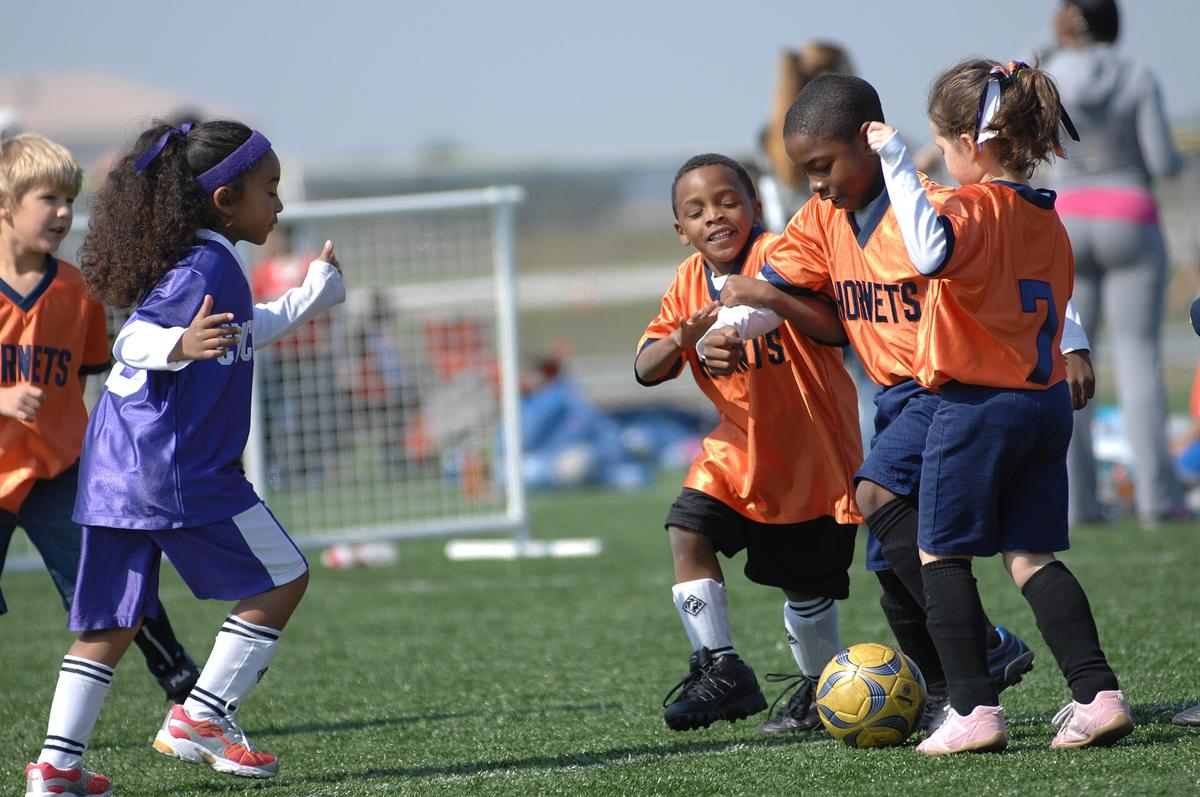
Photo: U.S. Army 340PAD by Sgt. Patrick Kirby / Public domain, via Wikimedia Commons.