
Most blown blocks at the youth level don’t come from weak arms — they come from bad feet. A lineman who lunges, crosses his feet, or stands too tall loses the rep before contact even happens. Teaching footwork first, before anything else, is what turns a nervous beginner into a lineman who can actually move a defender.
This guide breaks down the footwork drills youth coaches actually use to build that foundation: the stance, the first step off the snap, the drive block, and simple ways to practice pass-protection feet. No fancy equipment required — just space, a few cones or bags, and repetition.
Quick Answer
Start every young lineman with a balanced three-point stance, then drill one skill at a time: a short six-inch first step for get-off, a low drive-block step into a bag for run blocking, and a kick-slide step for pass protection. Keep steps short, keep the chest over the knees, and repeat each drill in isolation before combining them in live blocking reps.
Stance and Get-Off: The First Step Comes Before Everything
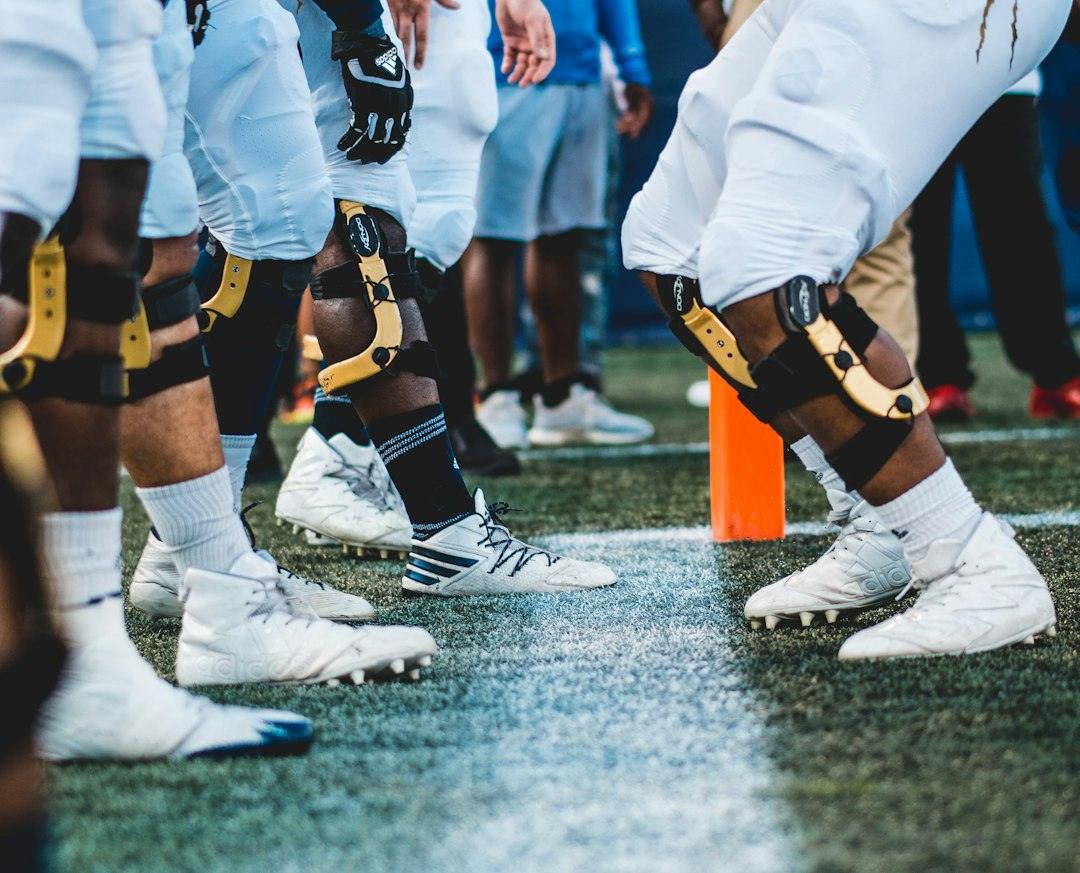
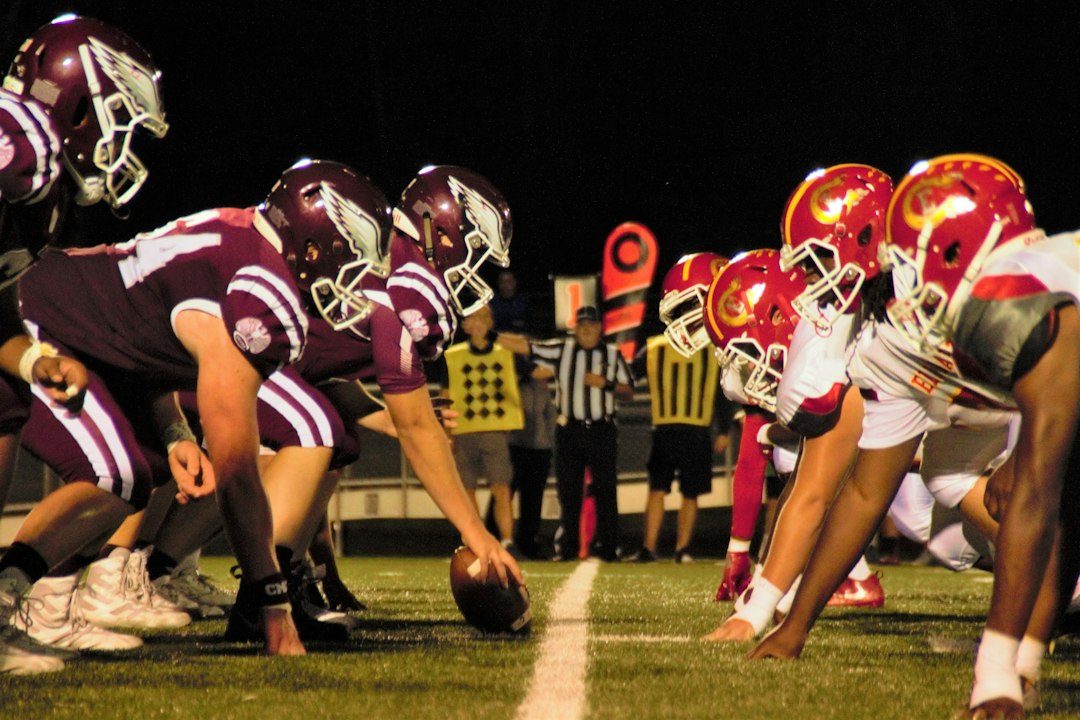
Before footwork can matter, the stance has to be right. Feet shoulder-width apart, weight balanced on the insteps (not the toes or heels), back flat, and eyes up. A lineman who starts off-balance will take a bad first step no matter how much footwork he’s drilled.
The first step after the snap — often called the ‘get-off’ step — should be small, roughly six inches, not a big lunging stride. A short step keeps the base wide and the pads low, which lets the lineman stay in control and adjust to whatever the defender does next. Coaches often drill this alone first: have players line up, snap the ball on a cadence, and check that the first step is short and in the right direction before adding any blocking at all.
A simple ‘stance and starts’ drill works well here: line players up on a yard line, call the cadence, and watch feet only. No blocking, no bags — just reps of getting off on the snap with a clean, short first step.
Free AI coach + drill plans for your team. Get free drill plans →
Drive Block and Pass-Pro Footwork Drills
Once the first step is clean, add the drive block. Set up a hand shield or bag, have the lineman take his short first step, strike with his hands on the second step, and drive the bag five yards while keeping his feet moving — no stopping, no standing up out of the stance. Emphasize ‘feet never stop’ more than how hard he hits; power without moving feet just tips the lineman over.
For blocking a defender who’s lined up to the side rather than straight on (a down block or reach block), teach a first step that goes flat down the line of scrimmage, aiming the head in front of the defender rather than trying to go straight through him. This flatter, angled step is what lets a smaller or younger player redirect a defender instead of trying to overpower him head-on.
For pass protection, use the kick-slide drill: from the stance, the outside foot kicks back and out at an angle, followed by a quick slide step with the inside foot to close the gap again. Practice this against air first — just the two-step rhythm, moving laterally down a yard line — before adding a rusher. The goal is staying square and balanced, never crossing the feet or bringing them too close together.
A useful add-on is the duck walk: players squat low with their chest over their thighs and take short, choppy steps while staying in that low position. It feels awkward at first, but it trains the low pad level and wide base that every blocking step depends on.
Tips / Common Mistakes
Isolate one skill per drill rep. Young players can’t fix their stance, their first step, and their hand placement all at once — drill the feet by themselves before asking them to also punch and drive.
Watch for crossed feet. The single most common youth O-line mistake is bringing one foot across the other during a kick-slide or lateral movement, which causes a trip or a lunge. Slow the drill down until the feet stay parallel.
Keep steps short. Beginners tend to take one big step instead of two or three small ones, which raises their pad level and kills their balance. Six-inch steps aren’t just a cue — they’re the difference between staying low and standing up into contact.
Use bags and shields, not just air, for drive-block reps. Players need to feel resistance to understand why foot drive matters, but keep the bag holder stationary at first so the lineman can focus purely on his own feet before reacting to movement.
Repeat footwork drills every practice, not just in preseason. Good foot mechanics erode quickly in young players without regular reinforcement — a few minutes of stance, steps, and kick-slide at the start of each practice goes a long way.
Explore more: more training and performance drills.
Youth football offensive line footwork FAQs
What is the most important footwork drill for beginner offensive linemen?
The get-off drill — practicing a short, six-inch first step out of the stance on the snap count — matters most. Every other block or pass-protection step builds on having a clean, balanced first step.
How do I teach a young lineman not to stand up when they block?
Drill the duck walk and drive-block-into-a-bag separately from live blocking. Both force players to keep their chest over their knees and their pad level low, so the habit carries over once contact is added.
What is a kick-slide and when is it used?
The kick-slide is a pass-protection footwork pattern: the outside foot steps back and out at an angle, then the inside foot slides to close the gap, keeping the lineman square to the rusher. It’s used when the lineman needs to retreat and stay in front of a pass rusher instead of driving forward.
How often should youth teams drill offensive line footwork?
Most coaches build a few minutes of stance, start, and footwork drills into the start of every practice, since these mechanics fade quickly in younger players without regular repetition.
Level Up With SportsSteps
Free AI coach + drill plans for your team
Build practice plans, share drills with players and parents, and track how your team improves.
Get free drill plansFor families, athletes, coaches & clubs
Want training tips and sports news in your inbox? Subscribe to the free newsletter.
Photo by Deon A. Webster on Unsplash.