This week’s youth sports news roundup is a big one: a fresh national participation report shows record numbers of kids playing organized sports, lawmakers keep pressing on private-equity ownership of youth leagues, and new performance-science research is reshaping how young athletes train and recover. Whether you’re a parent, coach, or club administrator, here’s everything that mattered in youth sports news over the seven days leading into September 6, 2026.
Youth Sports News
High School Sports Participation Hits an All-Time Record
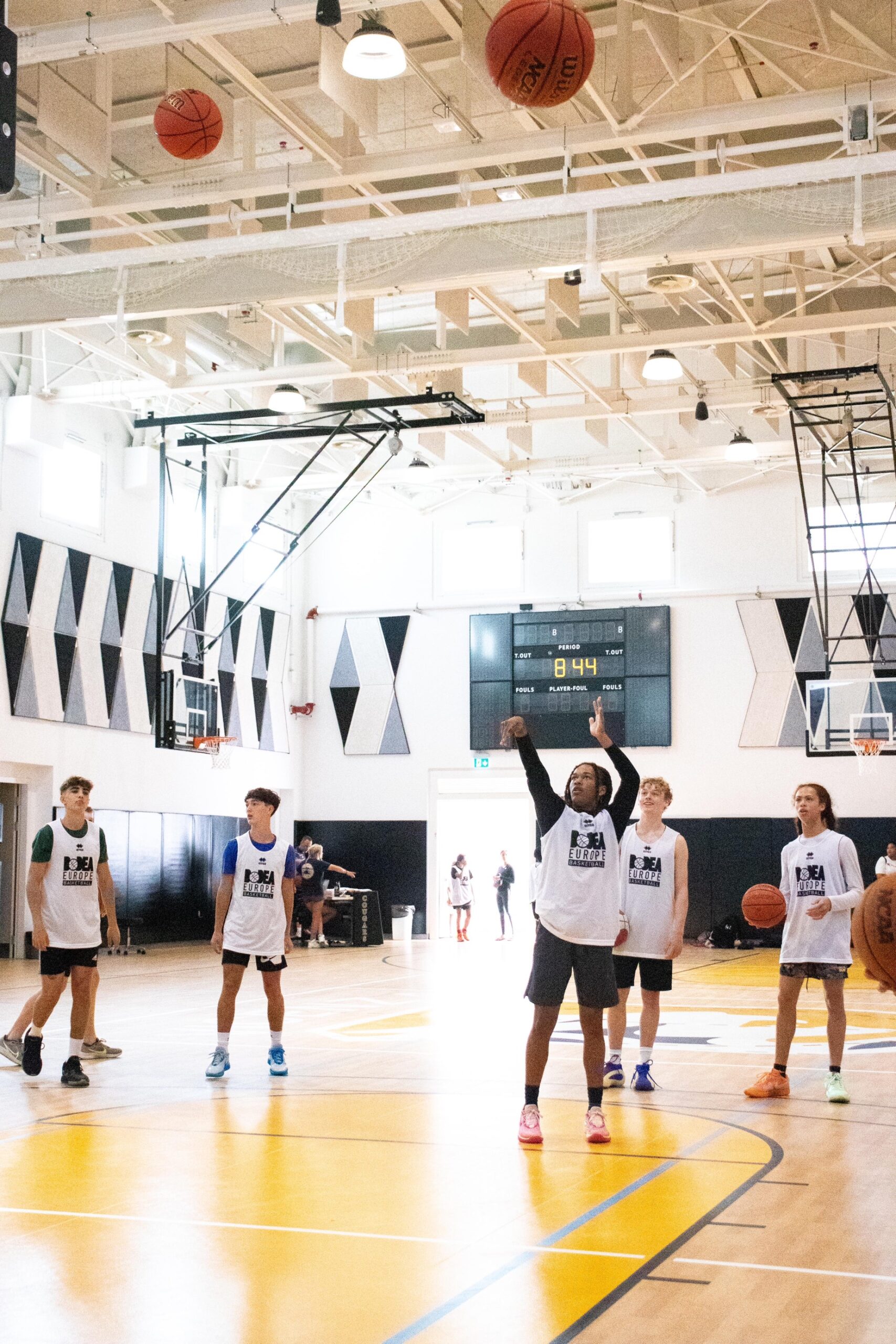
The National Federation of State High School Associations’ annual survey, released August 31, shows 8,415,684 students played high school sports in 2025-26 — the fifth straight year of growth and a new all-time high, with both boys (4,761,095) and girls (3,654,589) setting records. If your family is just getting a kid started, our basketball guide and football guide are good starting points for the two sports still driving most of that growth. Read the full participation breakdown.
Girls Flag Football Keeps Exploding
Girls flag football grew 48.7% in a single year, from 68,847 to 102,360 participants, and the number of sponsoring high schools nearly jumped from 2,736 to 3,990. Thirty-seven states now sanction or pilot the sport, and momentum is building fast ahead of flag football’s debut as a 2028 Olympic event. If your daughter is curious, our flag football fundamentals guide covers rules, skills, and how to get started.
Girls Wrestling Also Posts a Record Surge
Girls wrestling participation climbed 19.9% to 88,771 athletes across 8,853 schools, nearly doubling the number of programs since the pandemic. All 51 NFHS member associations now report girls wrestling numbers, and 40 states hold dedicated state championships for the sport — a remarkable turnaround for a sport that barely existed at scale a decade ago.
Congress Keeps Pressure on Private Equity in Youth Leagues
Lawmakers are still sorting through fallout from this summer’s “Field of Fees” hearing, where members from both parties questioned witnesses about private-equity firms buying up youth sports leagues, facilities, and technology platforms. The proposed Let Kids Play Act would force divestment and reimburse families for what backers call “junk fees,” underscoring a growing worry that consolidation is driving up the cost of youth sports news headlines have tracked all year. See Project Play’s takeaways from the hearing.
Colorado’s Youth Sports Giving Day Kicks Off Statewide
Colorado Youth Sports Giving Day launched its third annual campaign September 1, running through September 15, aiming to build on the nearly $9 million raised over its first two years for more than 240 nonprofits serving over 500,000 young athletes statewide. If your own team is chasing funding, our post on how to get local businesses to sponsor your team pairs well with campaigns like this one.
USA Football’s Fall Grants Window Closes With Strong Demand
USA Football’s fall equipment-grant cycle closed its application window September 2 after a spring round that delivered more than $530,000 in gear — including 15,000 flag football belts and 2,700 footballs — to over 140 youth organizations, schools, and girls flag programs. The nonprofit has now distributed more than $23 million to over 16,000 programs since 2006.
Training & Performance Science
Study: Athletic Maturity Isn’t Destiny
A new cross-sectional study of 84 youth athletes across basketball, volleyball, track and field, wrestling, and badminton found that performance wasn’t consistently predicted by biological maturity or years of training experience — a reminder for coaches to evaluate kids on demonstrated skill rather than assumptions about growth timelines. Read the full study.
Eccentric Resistance Training Shows Real Gains for Young Athletes
A systematic review of eccentric resistance training programs found consistent improvements in strength, power, and speed measures among youth athletes, adding to evidence that well-supervised strength work is both safe and effective for developing bodies when programmed correctly.

Neuromuscular Training Outperforms Traditional Conditioning
A meta-analysis comparing integrative neuromuscular training against traditional fitness programs found the neuromuscular approach delivered bigger gains in balance, agility, and injury-prevention markers. Coaches focused on technique work — like the split-second mechanics we cover in our relay exchange timing guide — should take note of how much return proper movement drilling can generate.
Youth Football Concussion Rate Pegged at 5% by New Research
A UW Medicine study found that roughly 5 of every 100 youth football players sustain a concussion each season, part of a broader wave of youth sports news this fall highlighting both the risks and the layered safety protocols — better helmets, mouthguards, and stricter return-to-play rules — now standard across all 50 states. Details are in the UW Medicine release.
Injury-Prevention Programs Cut Youth Injury Rates Significantly
A newly updated meta-analysis of injury-prevention programs for youth football players found meaningful reductions in injury incidence among kids who completed structured warm-up and strengthening protocols. It’s a good complement to our piece on how adults can get back into sports in their 30s without getting hurt — the underlying prevention principles are strikingly similar across age groups.
Sports Tech & Community
CSEF 2026 Puts Youth Facilities Center Stage in Kansas City
The Convention, Sports & Entertainment Facilities Conference runs September 8-10 in Kansas City, drawing more than 400 public officials and industry leaders for sessions specifically on planning, funding, and sustaining youth sports facilities. Given the ongoing cost-of-play debate, this year’s youth-facility track is drawing outsized attention. More from Youth Sports Business Report.
NCAA’s New Wearable Guidelines Are Rippling Down to Youth Leagues
The NCAA’s rollout of formal wearables and athlete-tracking guidance is prompting youth sports organizations to draft their own written technology policies — covering data privacy, parental consent, and purchasing standards — ahead of a season where GPS vests and biometric patches are increasingly common even at the club level.
Wearable Tech for Young Athletes Keeps Getting Smarter
From biometric sync tools that flag hydration and injury risk to sweat-analysis patches recognized at CES 2026, wearable technology built for youth and amateur athletes continues to mature quickly, giving parents and coaches far more data than a stopwatch and a clipboard ever could.
Youth Sports Software Market Keeps Climbing
Market researchers now peg the youth sports software market at roughly $723 million in 2026, projected to more than double by the mid-2030s, as leagues digitize registration, scheduling, communication, and player development tools — a trend that’s quietly reshaping how community programs operate week to week.
Sources
- National Wrestling Coaches Association — High school sports participation hits fifth straight record year
- ESPN — 2026 Little League World Series results and schedule
- PR Newswire — Colorado Youth Sports Giving Day returns for third year
- UW Medicine — Youth football concussion rate is 5%, study finds
- Youth Sports Business Report — Youth sports facility development takes the stage at CSEF 2026
Featured image — Photo: Cpl. Travis Gershaneck / Public domain, via Wikimedia Commons
Frequently Asked Questions
What is the biggest youth sports news story this week?
The NFHS’s 2025-26 participation survey, released August 31, is the headline story — high school sports hit an all-time high of 8,415,684 participants, driven largely by explosive growth in girls flag football and girls wrestling.
Why is Congress looking at private equity in youth sports?
Lawmakers from both parties are concerned that private-equity ownership of youth leagues, facilities, and tech platforms is driving up costs for families, prompting hearings and the proposed Let Kids Play Act.
How fast is girls flag football growing?
Participation jumped 48.7% in a single season to 102,360 high school players, with 37 states now sanctioning or piloting the sport ahead of its 2028 Olympic debut.
What did the new concussion study find?
UW Medicine researchers found that about 5% of youth football players sustain a concussion each season, adding data to an already active national conversation about youth sports safety protocols.
What’s happening with youth sports technology right now?
The NCAA’s new wearables guidance is pushing youth organizations to write their own data and tracking policies, while the broader youth sports software market keeps growing as leagues digitize registration and player development.