Deciding to pick a sport back up in your 30s is easy. Doing it without landing on the sidelines with a strained hamstring, tweaked back, or angry Achilles is the hard part. Your motivation hasn’t changed since your 20s, but your tendons, recovery speed, and injury risk profile have — and training like you did a decade ago is the single most common reason comebacks stall out.
This guide walks through a realistic, evidence-informed way to ease back in: how to honestly assess your starting point, how fast to ramp up training load, what to prioritize in warm-ups and recovery, and the mistakes that send most returning athletes to physical therapy instead of the field.
Quick Answer
Start with 2-3 sessions a week at low-to-moderate intensity, spend the first few weeks rebuilding general strength and mobility rather than jumping straight into your sport, and increase training volume gradually rather than in big jumps. Prioritize a real warm-up, build in recovery days, and treat any nagging pain as a signal to back off, not push through.
Start With an Honest Assessment, Not a Nostalgia Trip
The biggest trap in your 30s is training to the memory of your fitness, not your current fitness. Before you book a rec-league game or a group class, spend one to two weeks doing a basic self-check: can you do a set of bodyweight squats, a plank, and a light jog without pain or excessive soreness the next day? Can you touch your toes and rotate your hips and shoulders through a normal range of motion? Any ‘yes, but it hurt a little’ answer is worth addressing before you add sport-specific speed, cutting, or jumping into the mix.
If it’s been years since you trained consistently, or you’re returning after a past injury or surgery, a check-in with a physical therapist or sports medicine provider is worth it — they can assess how well an old injury has healed, help you regain full pain-free range of motion and strength before you load it hard again, and build a return plan specific to your sport. Just don’t expect a movement screen to reliably flag who’s headed for an injury: systematic reviews of tools like the Functional Movement Screen consistently find their ability to predict future injuries is inconsistent and not well established, so treat any screening as one input for building a smart return plan, not a crystal ball — and don’t let a single flagged movement scare you off training either.
Also be honest about the other side of the ledger: sleep, stress, and how much sitting your job involves. These affect how fast your tissues recover as much as the workouts themselves.
Build the Base First: Strength, Mobility, and Aerobic Capacity
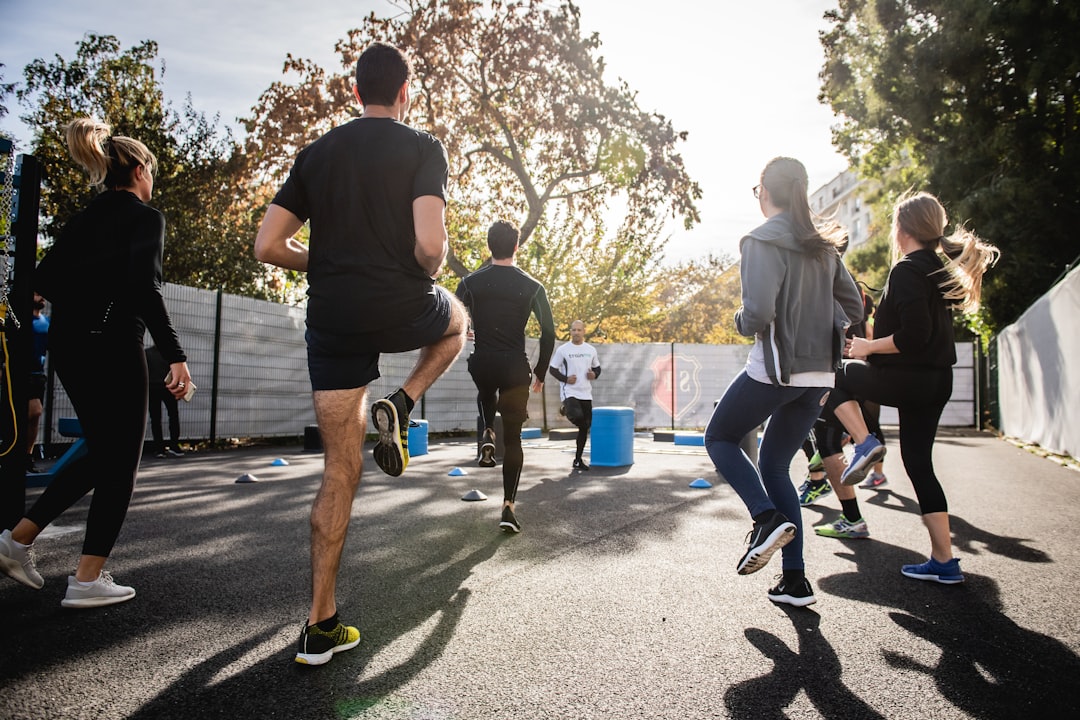
Spend the first three to four weeks on general preparation rather than your actual sport. This means: two strength sessions a week focused on the basics (squat, hinge, push, pull, carry patterns), a couple of easy aerobic sessions (walking, cycling, swimming) to rebuild your cardiovascular base, and daily mobility work on the joints your sport demands most — ankles and hips for running sports, shoulders and thoracic spine for throwing or racquet sports.
This matters more in your 30s than it did earlier because tendons and connective tissue adapt more slowly than muscle does. Muscles can get noticeably stronger within a few weeks of training, but the tendons and ligaments that transfer that force often need longer to catch up — commonly several weeks more. Ramping up hard, fast movements before that catch-up happens is a major driver of strains, tendinitis, and overuse injuries in returning athletes.
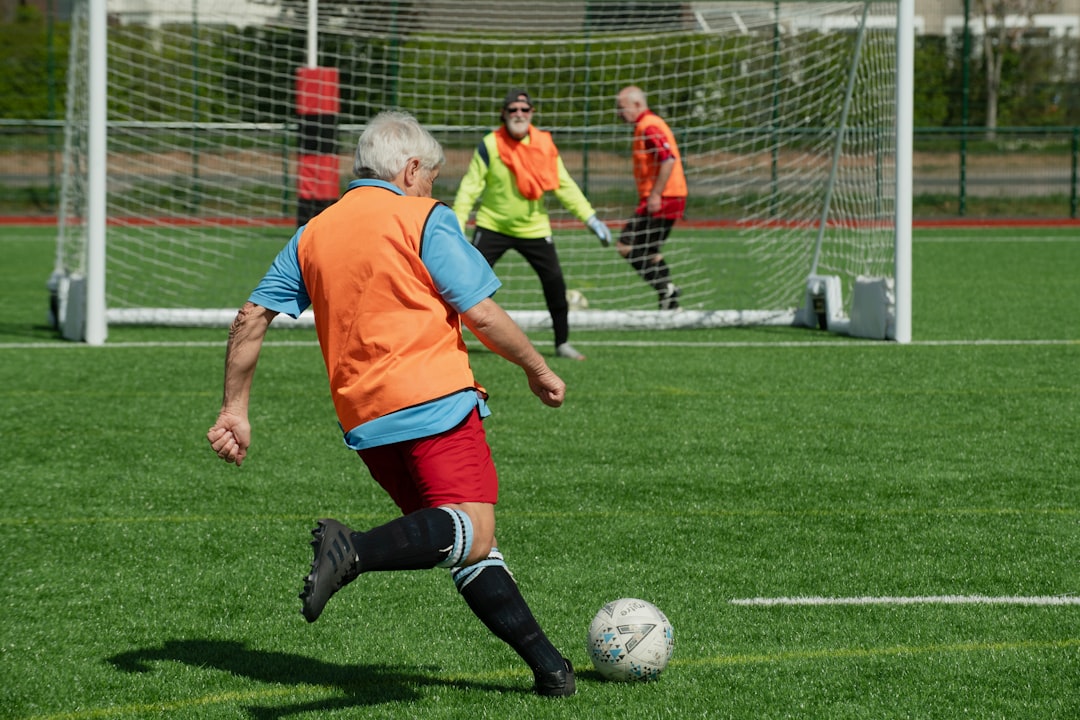
Once the basics feel solid and pain-free, layer in low-intensity versions of your sport’s movements — light jogging before sprinting, half-speed drills before scrimmages — and only increase intensity once each level feels easy.
Ramp Up Training Load Gradually — and Track It
You’ve probably heard of the ‘10% rule’ (never increase weekly training volume by more than 10%). Research has found the exact number isn’t magic — some people tolerate faster increases, others need to go slower — but the underlying principle holds up well: gradual, planned increases in training volume and intensity are safer than sudden jumps, and big spikes in weekly load are strongly linked to higher injury rates in team and endurance sports alike.
In practice, that means picking one variable to increase at a time (duration, frequency, or intensity — not all three in the same week), giving yourself a lighter ‘deload’ week every third or fourth week, and writing down what you did so you can spot when you’re ramping up too fast. A simple training log — sessions per week, how hard each one felt, and any soreness or pain — is enough to catch problems before they become injuries.
Recovery is part of the load plan, not separate from it. A hard training session typically needs 48-72 hours before the affected muscle group is fully ready to go again, so alternate hard and easy days and build in at least one full rest day per week, especially in your first two months back.
Tips and Common Mistakes
Warm up like you mean it. Five minutes of jogging isn’t a warm-up for cutting, jumping, or throwing sports — spend 10-15 minutes on dynamic movement (leg swings, lunges, light sprints, sport-specific drills) that raises your heart rate and takes your joints through the ranges you’re about to use.
Don’t skip strength training for ‘just playing.’ Playing your sport conditions you for that sport’s easy moments, not the sudden sprint, jump, or direction change that causes most injuries. Two strength sessions a week, even short ones, dramatically reduce that risk.
Watch for pain that changes rather than fades. Normal muscle soreness peaks a day or two after a new activity and improves daily. Pain that’s sharp, one-sided, worsens during activity, or lingers past a few days is a signal to scale back and, if it persists, get it checked rather than trying to train through it.
Don’t return through a big event. Signing up for a competitive league game or race as your reintroduction to a sport removes your ability to back off mid-session if something feels off. Build up through low-stakes practice first.
Fuel and hydrate like an adult athlete, not a weekend warrior. Adequate protein intake and sleep support the tissue repair your comeback depends on — this matters more, not less, than it did in your 20s.
Explore more: more athlete development guides.
Returning to sports in your 30s FAQs
How long does it take to get back into game shape in your 30s?
Most people need roughly 6-8 weeks of consistent, gradually progressing training to feel genuinely game-ready — a few weeks to rebuild a base, then a few more to add sport-specific intensity. It can take longer if you’re coming back from a significant layoff or a previous injury.
Is it normal to be sorer in your 30s than you used to be?
Some increase in soreness and slower recovery is common as training frequency, sleep, and connective tissue resilience shift with age and life demands, not because your body is suddenly ‘old.’ Consistent training, adequate protein, sleep, and gradual progression usually narrow that gap within a few weeks.
Should I stretch before or after playing sports?
Favor dynamic stretching and movement-based warm-ups (leg swings, walking lunges, light sprints) before activity, and save static stretching (holding a stretch) for after, when muscles are warm and it’s less likely to temporarily reduce power output.
Do I need to see a doctor before starting a sport again in my 30s?
If you’re generally healthy and easing back in gradually, you likely don’t need clearance. It’s worth a check-in first if you have a chronic condition, a history of heart issues, a previous significant injury to the area you’ll be using, or haven’t had a general checkup in several years.
Level Up With SportsSteps
Track your athlete’s progress, connect with coaches and your team, and grow — get the SportsSteps app. Get the SportsSteps App.
Want training tips and sports news in your inbox? Subscribe to the free newsletter.
Photo by Gabin Vallet on Unsplash.