Youth sports news April 2026 is hitting on multiple fronts: USA Track & Field locking in a four-city national youth championship calendar, an unprecedented 45% projected surge in youth soccer participation tied to next year’s home World Cup, and new research showing that NIL-related social media pressure is taking a real mental health toll on the youngest athletes signing deals. If you’re a parent, coach, or club director, here’s what’s on the radar this Sunday.
We’ve broken this youth sports news April 2026 roundup into three sections: spring competition calendar, the NIL & specialization debate, and health & safety. Inline sources throughout, plus a curated reading list at the bottom.
Spring Competition Calendar: Track Season Heats Up
USATF Sets 2026 Youth Championship Across Four Cities
USA Track & Field announced its 2026 youth championship slate spanning four U.S. cities — New York, Alabama, California, and Louisiana — covering both track and field and cross country, per USATF’s official announcement. The geographic spread is intentional: USATF is trying to grow participation beyond traditional hotbeds and reduce travel-cost barriers for families in the Southeast and South.
State Track Season Hits Final Stretch
Across the country, state track meets are entering their final qualifying weeks. Class 2A state meets are scheduled into early June, with regional meets running through May. Coaches are watching for late-season peak performances ahead of state qualifying, and athletes are facing the toughest tradeoff of the spring: when to taper, when to compete, and when to rest.
Princeton’s Kyleigh Noble Out for Senior Year
In a tough story for one of the spring’s most-watched athletes, three-time state runner-up high jumper Kyleigh Noble of Princeton will miss her senior season after knee surgery. It’s the kind of injury timing that’s become an unfortunate fixture of competitive youth athletics — and reinforces why pre-season conditioning and early-season load management matter. Our warm-up routines for youth sports practice post breaks down injury-prevention protocols every coach should be running.
NIL & Specialization: The Mental Health Tax
NIL Hits 40+ States — And the Pressure Trickles Down
More than 40 states plus Washington, D.C. now allow high school athletes to earn NIL income, per Sportsepreneur’s NIL coverage. The shift is reshaping youth sports culture: athletes as young as 14 are now being courted for sponsorship deals, social media activations, and personal brand building.
The 3-Hour-Per-Week Mental Health Threshold
New research is flagging a specific concerning data point: athletes who spend 3+ hours per week on NIL content show significantly higher odds of mental health challenges compared to peers without NIL obligations. The pressure to perform athletically AND maintain a polished public-facing brand is creating a new category of stress that wasn’t on parents’ or coaches’ radar five years ago.
NIL Pressure Encourages Single-Sport Specialization
Researchers are also flagging that NIL economics push young athletes toward earlier and more intense single-sport specialization — the opposite of what every major sports medicine body recommends. The American Academy of Pediatrics and the American Medical Society for Sports Medicine have both consistently recommended multi-sport participation through at least age 14.
The Baseball Specialization Trap
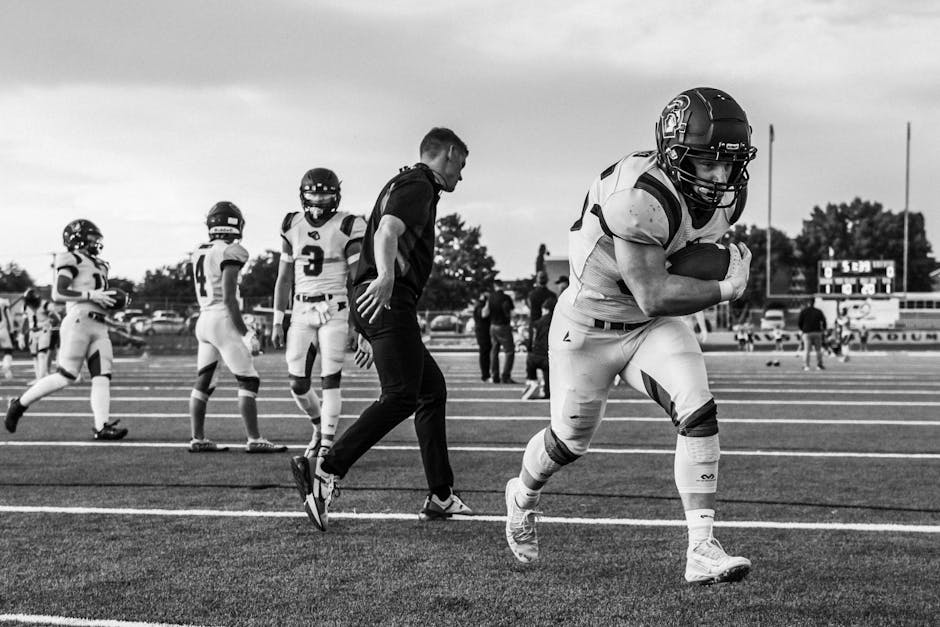
A meta-analysis of baseball players who specialized early found they faced a higher risk of upper-body injuries and ended up participating in fewer Major League Baseball games over their careers than late specializers. Translation: doing more baseball, earlier, didn’t make better baseball players — it just produced more injuries and shorter careers. If you’re navigating the multi-sport vs. specialize debate, our support young athletes without pressure guide is a parent-coach starting point.
The 45% Soccer Surge
FIFA 2026 World Cup Triggers Historic Youth Investment
The 2026 FIFA World Cup, hosted across the U.S., Mexico, and Canada, is now driving the most significant youth soccer investment period in American history. Participation is projected to surge from 20 million to 29 million — a 45% increase. New club leagues, infrastructure projects, and grassroots programs are all expanding ahead of the summer tournament.
What This Means for Existing Clubs
For existing youth soccer clubs, the surge is a double-edged sword: more interested kids, but also more competition for fields, coaches, and tournament slots. Coaches who can ramp up training capacity without sacrificing development quality will be the ones who retain players through the post-World Cup honeymoon.
Health & Safety: Heat Season Is Here
The 2% Dehydration Performance Cliff
As spring heats up and summer tournaments approach, the dehydration math is worth re-stating: as little as 2% dehydration impairs performance in stop-and-go sports like baseball, softball, and soccer. Coaches running multi-game tournament weekends should be enforcing scheduled hydration breaks, not waiting for athletes to ask.
Three Hydration Breaks Per Hour Minimum
Heat safety protocols recommend a minimum of three rest/hydration breaks per hour, with each break lasting at least four minutes. Light yellow urine is the simple visual cue for adequate hydration; dark yellow or brown indicates active dehydration that’s already impairing performance.
Concussion Surveillance Stays Front-and-Center
While football remains the leading cause of youth concussions, the data continues to show that lacrosse, soccer, field hockey, and basketball are all significant contributors. Spring sports parents and coaches: this is the season to review concussion protocols and make sure return-to-play rules are being followed, not just signed.
What to Watch in May
- State track meets through late May into early June.
- Final NIL state legislation — a handful of holdouts are debating bills this spring.
- Summer baseball tournament hydration plans — set them now, not in June.
- Pre-World Cup soccer recruitment surge — clubs should already be planning capacity for fall.
The youth sports news April 2026 drumbeat reflects a sport at a hinge moment. The economics are getting more grown-up faster than the kids playing the games. The science is clearer than ever on what works for development and what doesn’t. The challenge for everyone — parents, coaches, athletes — is to keep the second part louder than the first.
Frequently Asked Questions
When are the 2026 USATF Youth Championships?
USA Track & Field’s 2026 youth championship calendar covers four cities — New York, Alabama, California, and Louisiana — across both track and field and cross country events. Specific event dates vary by location and discipline; the USATF website has the full calendar.
Why is youth soccer participation surging in 2026?
The 2026 FIFA World Cup, hosted across the U.S., Mexico, and Canada, is driving an unprecedented 45% projected increase in U.S. youth soccer participation — from 20 million to 29 million participants. The summer tournament is creating record demand for youth clubs, new league infrastructure, and grassroots programs.
How does NIL affect young athletes’ mental health?
New research shows that high school athletes spending 3+ hours per week on NIL-related content (sponsorship obligations, social media branding, content creation) have significantly higher odds of mental health challenges. The pressure to perform athletically while maintaining a polished public brand is creating a new category of athletic stress that wasn’t a concern five years ago.
At what level of dehydration does athletic performance suffer?
As little as 2% dehydration is associated with impaired performance in stop-and-go sports like baseball, softball, and soccer. Heat safety protocols recommend a minimum of three rest/hydration breaks per hour, with each break lasting at least four minutes. Coaches should enforce scheduled breaks rather than waiting for athletes to ask for water.
What does the research say about youth sports specialization?
Multiple peer-reviewed studies show that early single-sport specialization increases injury risk and, in baseball specifically, correlates with shorter MLB careers and fewer games played. The American Academy of Pediatrics and American Medical Society for Sports Medicine both recommend multi-sport participation through at least age 14 to reduce injury risk and support long-term athletic development.