
Walk into most gyms and you’ll see barbell squats, leg presses, and deadlifts — all exercises performed with both feet on the ground. The problem: a lot of sport movement happens off one leg at a time. Running strides, jumps, landings, and cuts all load a single limb, yet most training programs barely touch single-leg strength until an injury forces the issue.
This guide breaks down why single-leg (unilateral) strength is so often skipped, what it actually does for strength balance and joint resilience, and how to start building it with exercises that scale from beginner to advanced.
Quick Answer
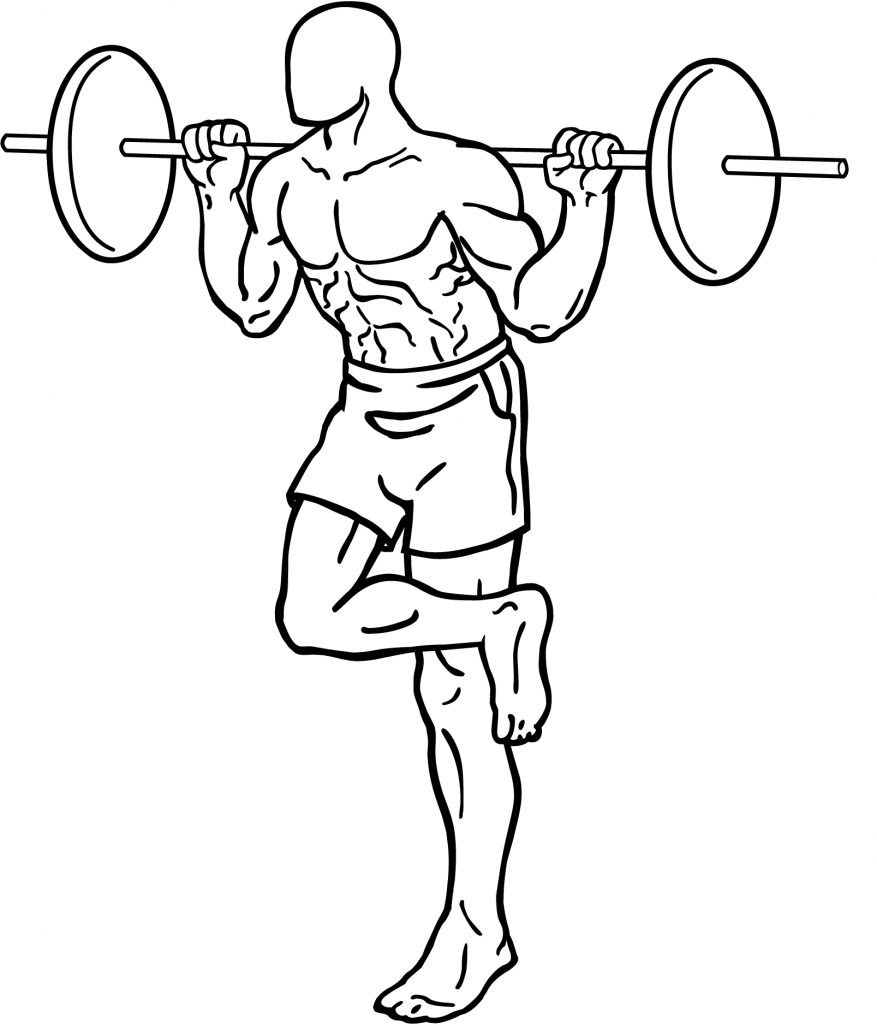
Single-leg strength training means loading one leg at a time — through moves like split squats, step-ups, and single-leg deadlifts — to build strength, balance, and stability that double-leg lifts don’t directly train. It matters because many athletic movements load one leg at a time, and unilateral work is a practical way to find and fix side-to-side strength imbalances that bilateral lifts can mask.
Why Bilateral Training Isn’t Enough On Its Own
Two-legged lifts like the back squat are excellent for building total lower-body strength and are worth keeping in any program. But a strong squat number doesn’t guarantee each leg is equally strong or stable on its own — bilateral lifts let a stronger leg quietly compensate for a weaker one. Research comparing unilateral and bilateral training is mixed on how much either style directly transfers to things like sprint speed or change-of-direction performance; the honest takeaway is that neither has a clear, proven edge there. What single-leg work does reliably offer is direct, measurable strength and stability on each leg individually, which bilateral lifts can’t isolate.
There’s also the imbalance issue. Nearly everyone has a stronger and weaker leg, often by a meaningful margin, even if a two-legged squat number looks solid. Because bilateral lifts hide that gap, it can go unaddressed for years — and some coaches believe uncorrected imbalances contribute to overuse issues on the weaker, less-stable side, though this is a reasoned coaching principle rather than a settled research finding.
Building a Single-Leg Training Plan
Start with exercises that let you control range of motion and balance before adding heavy load. A reasonable progression: bodyweight split squats and step-ups first, then rear-foot-elevated (Bulgarian) split squats and single-leg Romanian deadlifts with dumbbells or a kettlebell, then loaded step-ups and, for advanced lifters with good mobility, pistol squats.
A simple starting point is two single-leg exercises per lower-body session — one quad/glute-dominant move (split squat or step-up) and one hamstring/glute-dominant move (single-leg RDL or single-leg hip thrust) — for 2-4 sets of 6-10 reps per leg. Train the weaker leg first while it’s fresh, and don’t assume both sides need identical loading; let each leg earn its own weight increases rather than matching the stronger side by default.
Progress load gradually and prioritize control over range of motion — a half-depth split squat performed with a stable knee and hip is more useful than a deep rep that wobbles or collapses inward. Add single-leg balance or landing work (like single-leg hops to a stick) once basic strength is solid, since balance and strength reinforce each other.
Tips / Common Mistakes
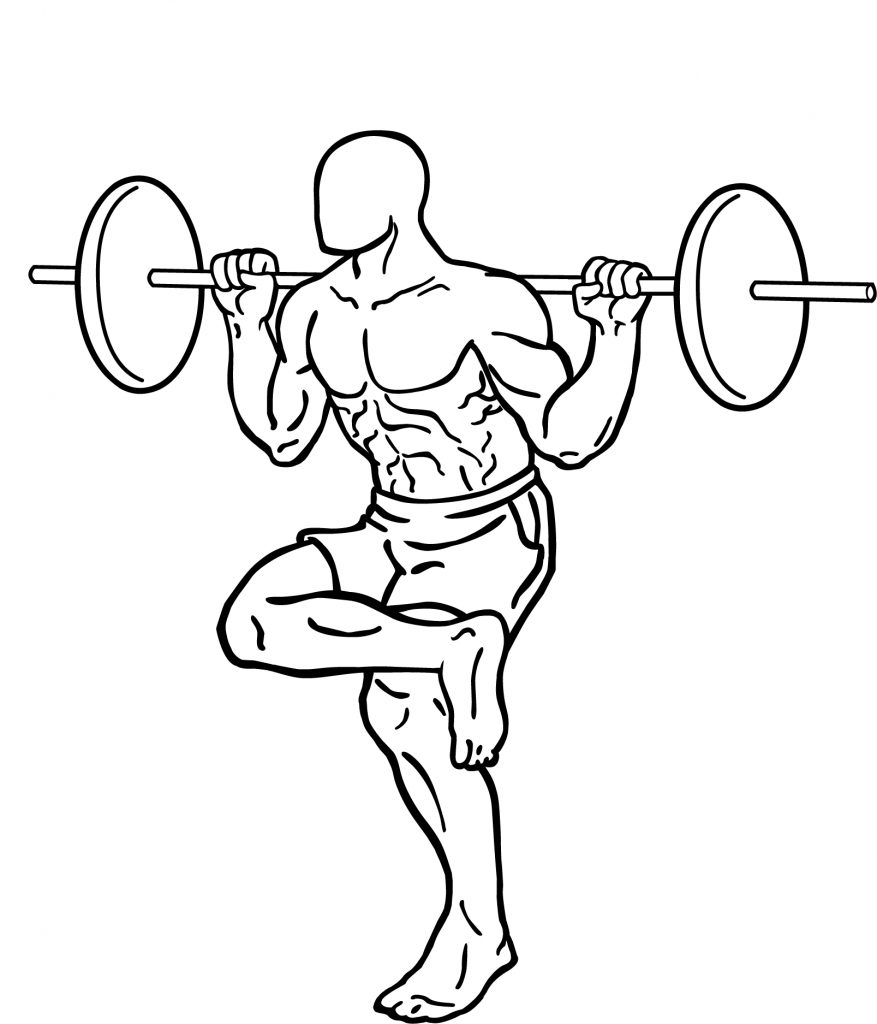
Don’t skip single-leg work just because it feels harder to load heavy — the stability demand is part of the benefit, not a reason to avoid it. Watch for the front knee caving inward on split squats and step-ups, a common sign the hip stabilizers aren’t keeping up with the load; regress the weight until the knee tracks cleanly over the foot.
Avoid rushing rear-foot-elevated split squats into deep ranges before ankle and hip mobility allow it; a shorter, controlled range beats a deep rep with a collapsing torso. Finally, don’t treat single-leg exercises as an afterthought tacked onto the end of a workout — program them early in the session, while technique and focus are freshest, especially if balance or coordination is still developing.
Explore more: More training and performance guides.
Single-leg strength training FAQs
Is single-leg training better than squats for athletes?
Not better — complementary. Bilateral lifts like the squat build raw total-body strength efficiently, while single-leg work builds per-limb strength and stability that squats alone can’t isolate. Most athletic programs include both.
What’s the best single-leg exercise for beginners?
The step-up and the split squat are the most accessible starting points — both let you control balance with a stable base and scale difficulty with step height or added weight before progressing to harder variations like Bulgarian split squats or pistol squats.
How often should I train single-leg exercises?
Two to three times per week is typical, usually as part of a regular lower-body session rather than a separate workout. Consistency matters more than volume — a couple of focused sets per leg, done regularly, builds meaningful strength and stability over time.
Does single-leg training directly improve sprinting or change of direction?
The evidence is mixed and doesn’t clearly favor single-leg training over bilateral training for those specific skills. What it does reliably build is per-leg strength and stability, which is still a useful foundation even without a proven direct transfer to sprint or cutting speed.
Level Up With SportsSteps
Track your athlete’s progress, connect with coaches and your team, and grow — get the SportsSteps app. Get the SportsSteps App.
Want training tips and sports news in your inbox? Subscribe to the free newsletter.
Photo: Shixart1985 / CC BY 2.0, via Wikimedia Commons.