If your child is carrying extra weight, picking a sport can feel loaded with worry: will other kids be faster, will the uniform fit, will practice feel like punishment instead of play? Those concerns are real, but the right sport can flip the script entirely — turning movement into something a child looks forward to instead of dreads.
This guide covers the sports that tend to work best for heavier kids, why low-impact and self-paced activities usually beat high-pressure team sports early on, and how to introduce a new activity without ever making it about the number on a scale.
Quick Answer
Swimming, cycling, martial arts, and hiking/walking are generally the best starting points for overweight kids because they’re low-impact on joints, let kids progress at their own pace, and measure success by skill (a new stroke, a new belt, a longer trail) rather than by beating other kids head-to-head.
Sports That Tend to Work Best
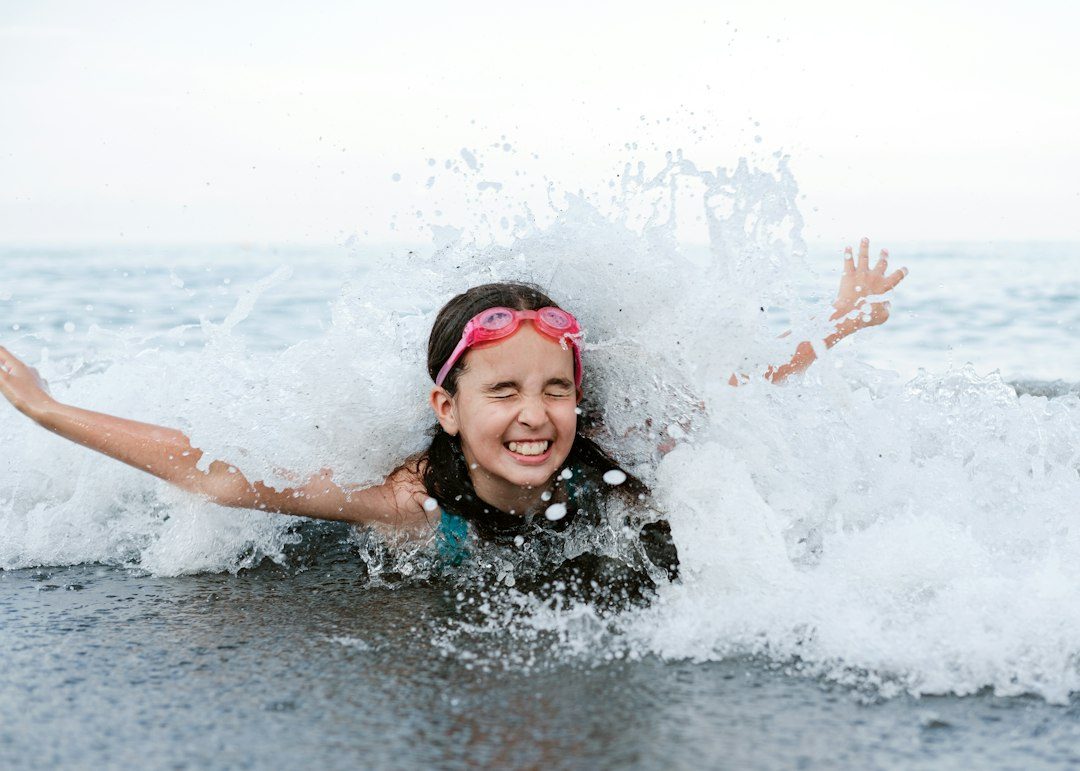
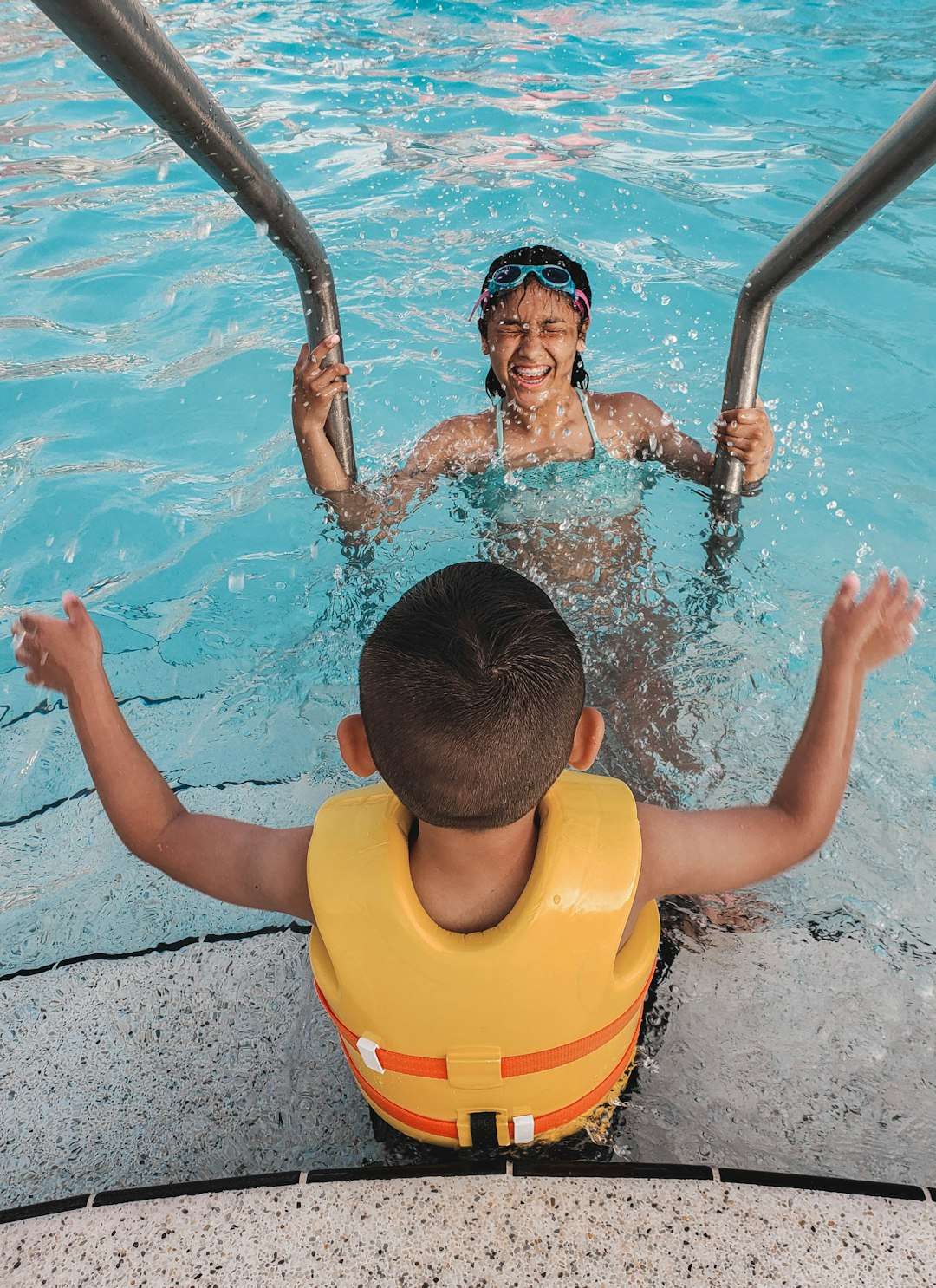
Swimming is one of the strongest options. Water supports body weight, so joints and growth plates aren’t absorbing repeated impact the way they do in running sports, and a child who feels self-conscious in gym class often feels more at ease once everyone’s in a swimsuit and the water levels the playing field. Swim lessons also have a built-in confidence ladder — floating, then kicking, then a full lap — that gives kids visible wins early.
Cycling is another good fit. It’s low-impact, it’s something the whole family can do together on neighborhood rides or local trails, and a kid can build real endurance without anyone keeping score. The same goes for walking and hiking: no equipment learning curve, no team to feel behind on, and an easy way to work toward the 60 minutes of daily activity the CDC recommends for kids and teens.
Martial arts (judo, taekwondo, karate, jiu-jitsu) consistently come up as a confidence-builder for kids who feel out of place in mainstream team sports. Classes are organized by skill level and belt rank rather than by who’s fastest, there’s a clear, structured path for progress, and the discipline and self-defense skills translate into confidence well beyond the gym.
Gymnastics-adjacent options like dance, and non-contact team sports played at a recreational (not travel/competitive) level, can also work well once a child has some base fitness and wants a social, team-based activity. The key in any team sport is picking a house league or rec division over a competitive travel program, since the stakes and pressure are much lower.
How to Pick the Right Fit
Let the child choose, or at least choose from a short list. Motivation collapses fast when a sport feels assigned rather than picked, so bring your child to a trial class or open gym session and watch what they gravitate toward.
Prioritize individual-paced or belt/level-based activities before competitive team tryouts. A kid who’s never been athletic needs a few months of feeling capable before they’re ready to be compared to teammates who’ve played since age five.
Check for recreational, not elite, program tiers. Many clubs run both a competitive travel team and a casual rec league — the rec league is almost always the better entry point, with less pressure and more focus on fun.
Talk to the coach or instructor beforehand about tone. A good youth coach focuses on effort, teamwork, and improvement rather than weight, speed, or how a kid’s body looks in a uniform — and it’s fair to ask directly how they handle a child who’s struggling to keep up.
Tips / Common Mistakes
Don’t frame the activity as weight loss. Per guidance from the American Academy of Pediatrics, talking about weight — even with good intentions — is linked to a higher risk of disordered eating and can backfire by making kids feel singled out. Frame it as ‘let’s find something fun to do together’ instead.
Don’t start with the most competitive option available. Jumping straight into a travel soccer team or competitive gymnastics squad is a common mistake — it’s better to build a foundation of basic fitness and confidence in a lower-pressure setting first.
Don’t skip the gear check. A properly fitted bike, swimsuit, or pair of shoes matters more for comfort and confidence than people expect; ill-fitting gear is a quiet reason many kids quietly give up on an activity.
Do celebrate non-scale wins. Swimming a lap without stopping, earning a belt stripe, or riding to the end of the block are the markers worth praising — not pounds or inches.
Do join in yourself when you can. Family bike rides, pool days, or walks remove the feeling that exercise is a punishment reserved for the kid who ‘needs it,’ and most children stick with activities longer when a parent is doing it alongside them.
Explore more: more youth sports guides.
Best sports for overweight kids FAQs
What’s the single best sport for an overweight child who hates gym class?
Swimming is usually the safest bet to start — it’s low-impact, the water equalizes body differences, and lessons are structured around individual skill progress rather than competing against other kids.
Should I tell my child’s coach that weight is a concern?
It’s more useful to tell the coach your child is newer to organized sports and may need extra encouragement and modified pacing, rather than framing it around weight. Most youth coaches are used to working with a range of fitness levels and will adjust without needing a weight-specific explanation.
How much activity should my child be getting each week?
The CDC recommends children and teens ages 6 to 17 get 60 minutes or more of moderate-to-vigorous physical activity daily, not just on some days. It doesn’t need to come from one sport — a mix of a weekly class plus casual family activity like walking or biking easily adds up.
What if my child refuses to try any sport?
Start smaller than a formal sport — a daily family walk, a backyard game, or free swim time at a local pool. Once movement feels normal and low-stakes, it’s usually easier to introduce a structured class or team.
Level Up With SportsSteps
Track your athlete’s progress, connect with coaches and your team, and grow — get the SportsSteps app. Get the SportsSteps App.
Want training tips and sports news in your inbox? Subscribe to the free newsletter.
Photo by Stas Ostrikov on Unsplash.