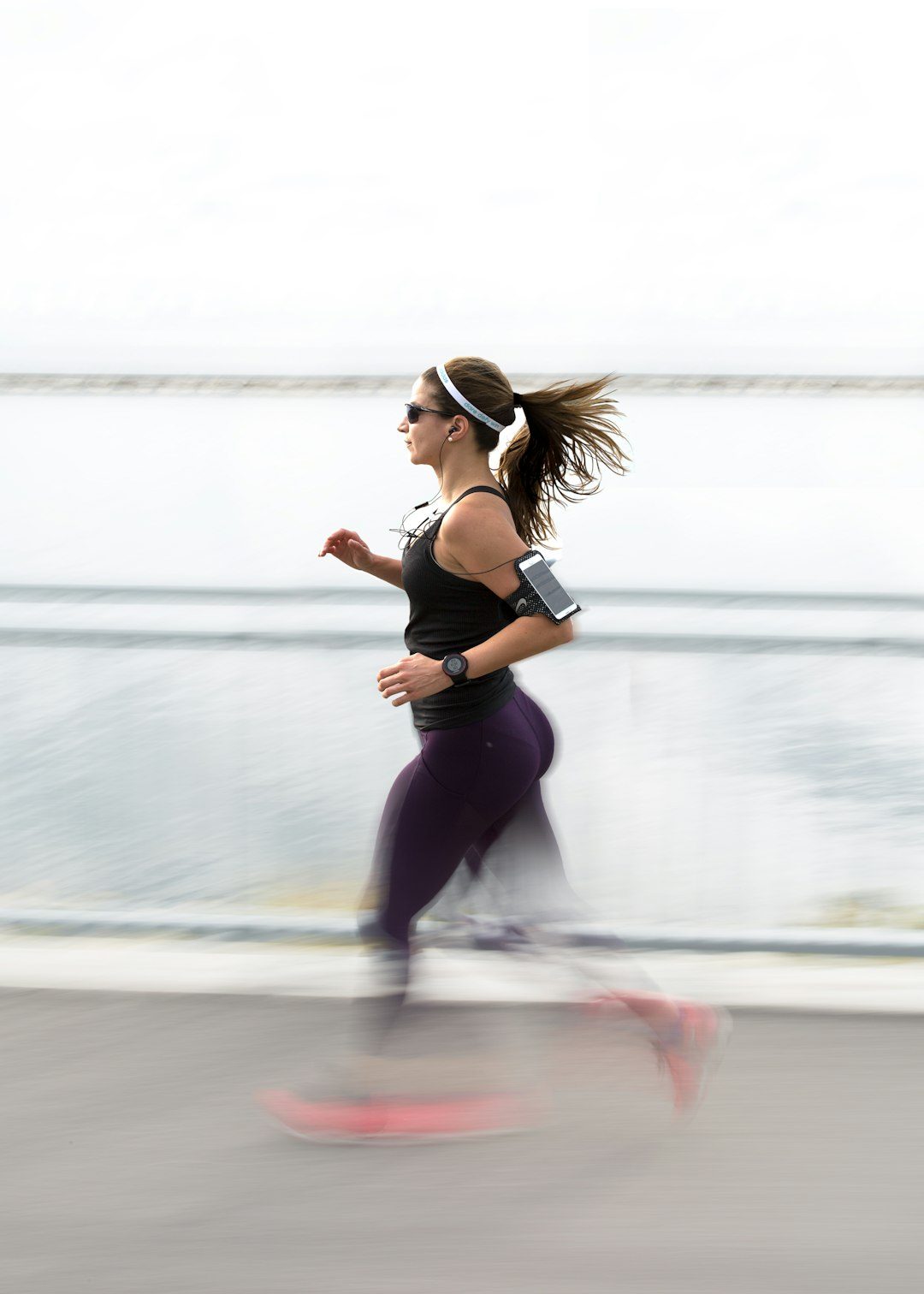
Buying a first GPS watch for a teenager on the track team doesn’t have to mean spending Garmin-flagship money. Most of what a high school sprinter, middle-distance runner, or multi-eventer actually needs — accurate lap timing, an interval timer, a comfortable fit on a smaller wrist, and a battery that survives a full meet day — comes from watches well under $250.
This guide breaks down what to look for in a budget GPS running watch for track training, compares the current best options by price tier, and flags the mistakes parents and athletes commonly make when shopping for one.

Quick Answer
For most teen track athletes on a budget, the Garmin Forerunner 55 is the best overall pick — it’s the cheapest watch with a dedicated running feature set and a reliable Track Run activity profile. If the budget allows closer to $200-250, the Garmin Forerunner 165 or COROS Pace 4 add an AMOLED display, more detailed run data, and (on the COROS) dual-frequency GPS.
What Actually Matters for Track Training
Lap and interval functionality matters more than raw GPS accuracy. On an oval track, satellites can have trouble with tight turns and nearby bleachers, so look for a watch with a dedicated ‘Track Run’ activity profile — Garmin and COROS both offer one. That mode uses the known 400-meter distance of a standard track to correct GPS drift, instead of relying purely on satellite positioning like it would on an open road.
Battery life needs to cover a full meet, not just a single workout. Track meets often run for hours with warmups, prelims, and finals, so a multi-day smartwatch battery (not just a few hours of GPS tracking) is worth prioritizing over flashier features.
Size and weight matter for younger or smaller wrists. A 42-43mm case in the 30-40 gram range is comfortable for most teens, while larger multisport watches aimed at ultrarunners or triathletes can feel bulky and heavy during sprint work.
An interval/repeat timer and an easy-to-read lap button save real time at practice, since coaches frequently call out rep distances and rest periods on the fly.
Log training and see progress over time. Start logging free →
Top Budget Picks, by Price Tier
Garmin Forerunner 55 (roughly $130-170 on sale, $199.99 list): The cheapest watch from a major running-watch brand with a true Track Run profile, cadence alerts, and Garmin’s Daily Suggested Workouts. It lacks dual-frequency GPS and an AMOLED screen, but for lap timing and interval work at practice, that’s not a dealbreaker. Battery runs about two weeks in smartwatch mode and roughly 20 hours with GPS on.
Garmin Forerunner 165 (around $200-250): A step up with an AMOLED display, more detailed Race Adaptive Training Plans, and wrist-based running power and dynamics — useful once an athlete starts getting serious about pacing and training load. Battery life is shorter than the 55 (about 11 days smartwatch, ~19 hours GPS), and it still skips dual-band GPS to keep the price down.
COROS Pace 4 (about $249) or a Pace 3 if still in stock at a retailer (around $229): COROS’s running watches include a Track Run profile and dual-frequency GPS, which helps in GPS-tricky environments like a track surrounded by stands. They’re also noticeably light (around 30 grams) and have long GPS battery life, which is handy for multi-sport teen athletes who also train outside of track.
Amazfit Bip 6 (about $70-80): The cheapest real option on this list. It uses single-frequency GNSS pulling from five satellite systems (GPS, GLONASS, Galileo, BeiDou, and QZSS) rather than the dual-band GPS found on pricier sports watches, and runs for roughly two weeks of typical smartwatch use on a charge. It’s a fine entry point if the budget is extremely tight, but it doesn’t have the running-specific coaching tools (training status, race predictor, dedicated track profile depth) that Garmin and COROS build into their running lines — treat it as a general activity tracker that happens to have GPS, not a dedicated training tool.
Tips and Common Mistakes
Don’t trust GPS distance over the track’s actual distance. Even with a Track Run mode, treat the watch’s lap button and the track’s painted lines as the source of truth for exact splits — use the watch for pacing feel and workout logging, not as a substitute for a coach’s stopwatch at meets.
Don’t overbuy on multisport features a track athlete won’t use. Triathlon-focused watches add cost for swim and bike metrics that a pure track athlete doesn’t need; that money is better spent on comfort and battery life.
Do check strap size and case diameter before buying for a younger or smaller-wristed teen — most brands sell a ‘small/medium’ silicone band separately or bundle one, which keeps the watch from sliding around during sprints.
Do pair the watch with a free training app (Garmin Connect or the COROS/Zepp apps) so the athlete and coach can review pace and interval data after practice instead of just at the moment of the workout.
Explore more: more training and performance guides.
Budget GPS watch for teen track athletes FAQs
Does a teen track athlete need dual-frequency (multi-band) GPS?
It helps but isn’t essential for track work specifically. Dual-frequency GPS mainly improves accuracy on roads, trails, and in urban areas with tall buildings. On an actual track, a dedicated Track Run mode that uses the known 400-meter distance matters more than satellite band count.
What’s the single best budget GPS watch for a high school track athlete?
The Garmin Forerunner 55 is the best starting point for most budgets — it has a real Track Run profile, long battery life, and a lightweight case at the lowest price among dedicated running watches. Step up to the Forerunner 165 or a COROS Pace model if the budget allows and the athlete wants more detailed training data.
Is a cheap fitness tracker like the Amazfit Bip 6 good enough instead of a ‘real’ running watch?
It works fine for logging easy runs and getting a basic GPS track, and it’s hard to beat on price. But it relies on single-frequency GNSS rather than the dual-band GPS found on pricier sports watches, and it lacks the running-specific coaching tools — training status, race predictors, detailed run dynamics — that Garmin and COROS build into their dedicated running watches, so it’s best treated as a budget fallback rather than a training tool for serious track work.
Level Up With SportsSteps
Log training and see progress over time
Pair your gear with a free training log, progress tracking, and an AI coach for your sport.
Start logging freeFor families, athletes, coaches & clubs
Want training tips and sports news in your inbox? Subscribe to the free newsletter.
Photo by Tom Morbey on Unsplash.