
A missed free throw in practice barely registers. A missed free throw with the game on the line feels completely different — and for a lot of young players, that’s exactly the problem. The shot itself hasn’t changed, but the nerves have, and without a steady routine to lean on, mechanics fall apart right when they matter most.
The fix isn’t more shooting volume, it’s structure. A short, repeatable pre-shot routine gives a young player the same physical and mental starting point every single time, whether it’s shot 1 of practice or shot 2 of 2 in a tied game. This guide walks through how to build one, what to actually include, and the mistakes that quietly wreck consistency at the line.
Quick Answer
A good youth free throw routine is a short sequence — typically a set foot placement, a fixed number of dribbles, a breath, and a focus point on the rim — repeated identically before every single free throw, in practice and in games, including right after a miss.
How to Build the Routine Step by Step
Start with the feet. Have the player step to the same spot on the line every time, with feet roughly shoulder-width apart and squared toward the rim. This single habit removes one entire variable from the shot before the ball even leaves their hands.
Add a fixed number of dribbles or ball taps — two or three is common. The exact number matters less than the player using the same number every time; it’s a timing cue that tells the body ‘the shot is starting now.’
Build in one deliberate breath. A slow exhale right before raising the ball helps lower heart rate and muscle tension, which is especially useful in the seconds after a foul when a player is still breathing hard from running the floor.
Pick one focus point and stick with it — most coaches recommend picking a small target on the front or back of the rim rather than staring at the whole basket. Some players also use a short cue word in their head (something tied to a place or feeling where they’ve practiced free throws successfully) to settle their focus before the release.
Keep the whole sequence under five seconds. A routine that’s too long gives nerves more time to creep in and can also run into shot-clock or official delay-of-game attention in older age groups.
Track your kid's progress and get age-right drills free. Create a free account →
The Mechanics Checklist Behind the Routine
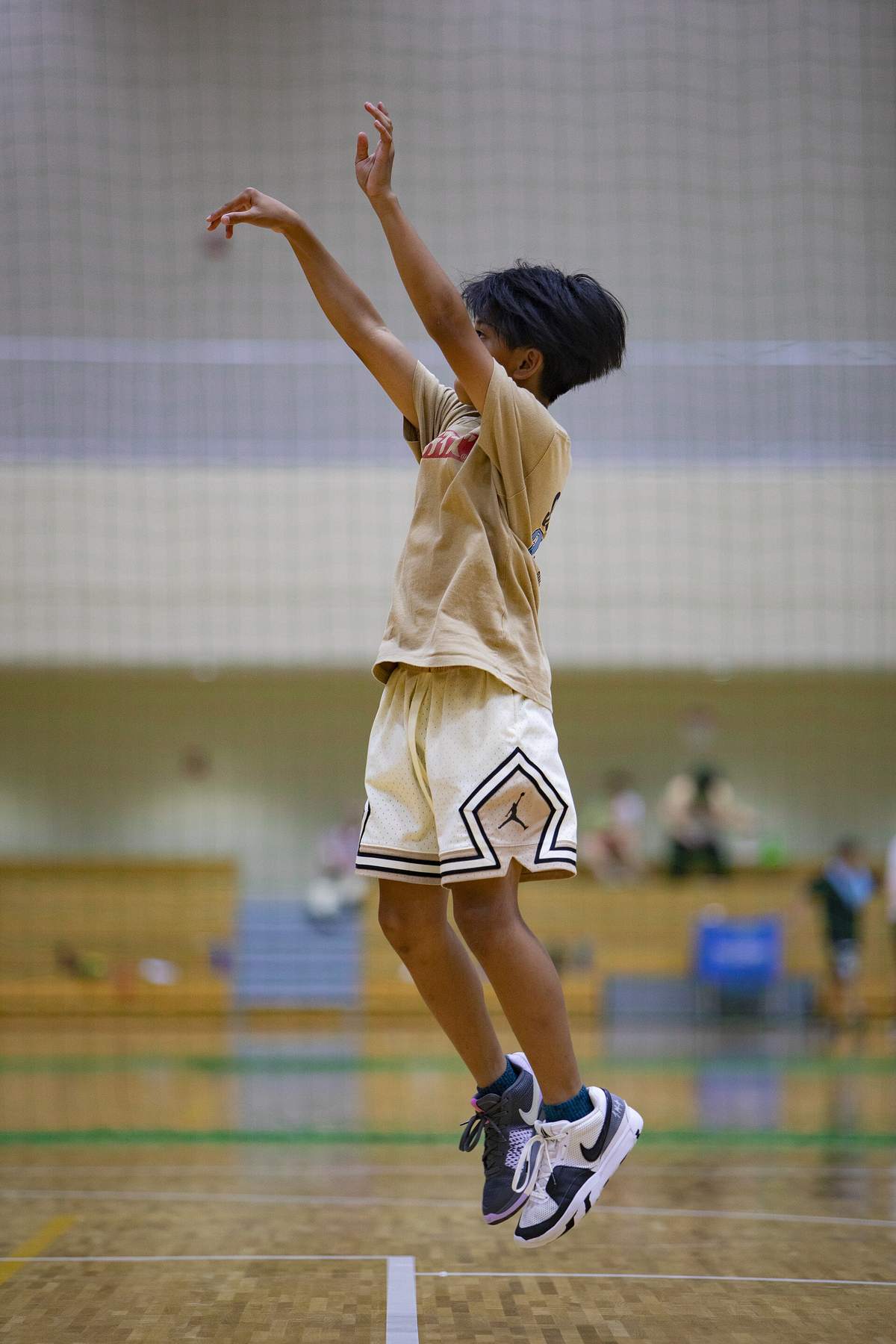
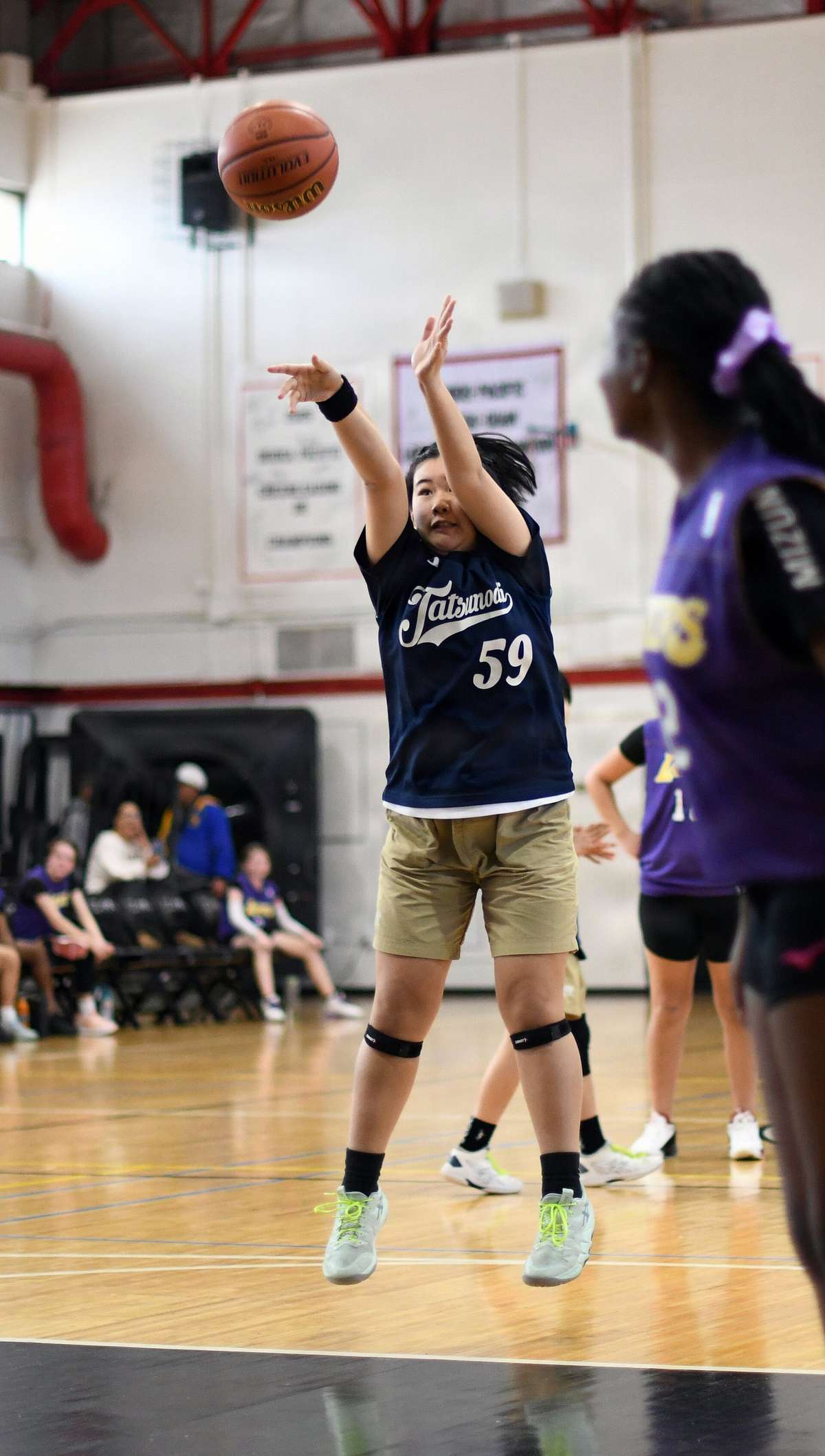
Once the pre-shot routine is set, the shot itself should follow a simple mechanical checklist. Many coaches teach this with the acronym BEEF: Balance (feet set, weight even), Elbow (kept in and roughly under the ball, in line with the knee and foot), Eyes (locked on the chosen target throughout the shot, not just before it), and Follow-through (wrist snapping down toward the floor at release, fingers pointing at the rim).
The routine and the checklist work together — the routine gets the player into the same physical and mental state every time, and the checklist makes sure that state produces the same shot. Practicing them separately, then combining them, tends to stick better than trying to teach both at once to a young player.
Tips and Common Mistakes
Practice the routine under fatigue, not just in a quiet gym. Have players run a sprint or finish a drill series before stepping to the line so the routine gets tested with an elevated heart rate, which is closer to game conditions.
Reset after every miss, make or miss. The single biggest routine mistake is letting a miss change the next attempt — rushing it, skipping the breath, or adding extra dribbles out of frustration. Coaching the player to run the exact same routine after a miss as after a make builds the mental discipline that holds up late in close games.
Avoid changing the routine itself once it’s set. Switching the number of dribbles or the breathing cue frequently defeats the purpose — the value comes from repetition, not from finding a ‘perfect’ sequence.
Don’t skip the free throw line in regular shooting drills. Many youth practices spend most of the time on game-action shots and treat free throws as an afterthought; building in dedicated free throw reps, including some from a fatigued or pressure-simulated state, is what actually transfers the routine to games.
Explore more: more training and performance tips.
Free throw routine FAQs
How many dribbles should a youth player take before a free throw?
There’s no required number — two or three is common. What matters is using the same number every time so it becomes a consistent timing cue rather than something the player thinks about.
Should a young player change their routine if they’re in a shooting slump?
Generally no. A slump is more often a mechanics or confidence issue than a routine issue, so the routine itself should stay stable while a coach checks balance, elbow position, and follow-through.
How long should a free throw routine take?
Short — well under five seconds from stepping to the line to releasing the shot. A long, elaborate routine gives nerves more time to build and is harder to repeat exactly under game pressure.
Level Up With SportsSteps
Track your kid's progress and get age-right drills free
A free AI coach for their sport, drills that fit their level, and a simple log of every practice and game.
Create a free accountFor families, athletes, coaches & clubs
Want training tips and sports news in your inbox? Subscribe to the free newsletter.
Photo: U.S. Army USAGJ by Noriko Kudo / Public domain, via Wikimedia Commons.