
A rough tryout can feel like the end of the world to a young athlete, even if you know it isn’t. The missed shots, the nerves that got the better of them, the roster list without their name on it — it all lands hard, and how you respond in the hours and days afterward shapes whether your child sees it as a setback or a verdict on their worth.
This guide walks through what to say (and what not to say) right after a bad tryout, how to help your child process the disappointment, and how to turn it into fuel for the next attempt instead of a reason to quit.
Quick Answer
Give your child space before offering advice, listen more than you talk, separate their identity from their performance, and turn the tryout into one data point for growth rather than a final judgment. Most kids recover their confidence within days if the adults around them respond calmly.
The First 24 Hours: What to Say (and Not Say)
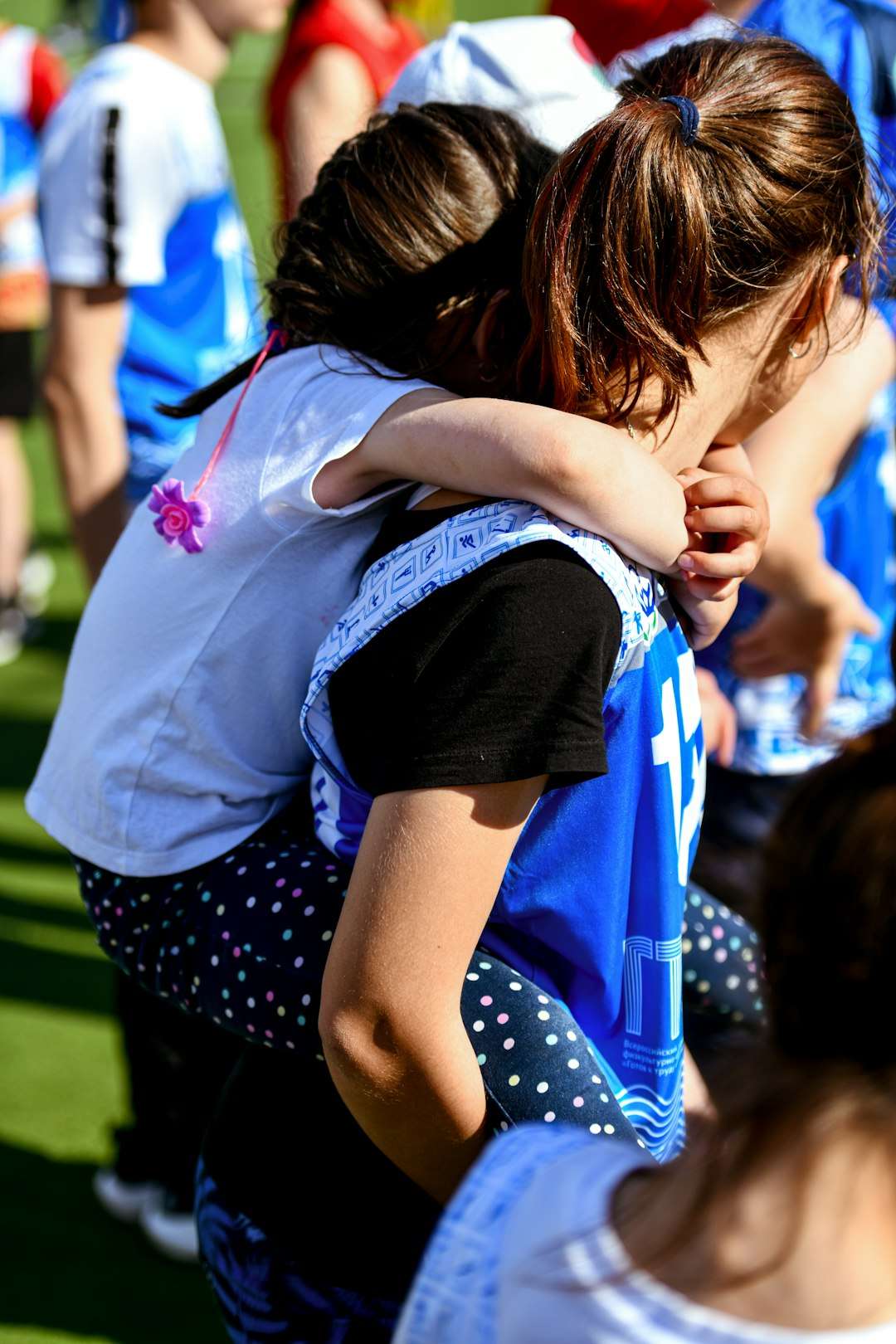
Right after a bad tryout, your child is still processing emotions — this isn’t the moment for a breakdown of what went wrong. Many kids don’t want to talk at all in the first few minutes, and a well-meaning pep talk in the car can come across as pressure instead of comfort. Give it space. A simple ‘I love watching you play’ or even just quiet company is often more helpful than analysis.
When they’re ready to talk, ask open questions instead of leading with your own take: How did you feel out there? What felt hard today? Was there a moment you were proud of? Listening first tells your child the conversation is about their experience, not your disappointment or expectations.
Avoid comparing them to teammates, rehashing specific mistakes play-by-play, or jumping straight to ‘next time you should…’ — even constructive advice lands better a day or two later, once the sting has faded.
Rebuilding Confidence Without Minimizing the Setback
Resist the urge to say ‘it doesn’t matter’ or ‘you didn’t even want to be on that team anyway’ — kids can tell when their feelings are being brushed aside, and it can make them feel worse, not better. Instead, acknowledge that the disappointment is real and valid while making clear it isn’t permanent.
The most important shift is separating who your child is from how they performed that one day. A bad tryout is something that happened, not something they are. Reinforce that you see their effort, their character, and their love of the sport as separate from a single evaluation — and that none of those things changed because of one outcome.
Once they’re ready (often a day or two later), help them reframe the tryout as information rather than a final verdict: what’s one specific thing a coach might want to see more of next time? Getting concrete, constructive feedback — from a coach if possible — gives your child something actionable to focus on instead of ruminating on the result itself.
Remind them, if it’s true, that a lot of athletes they admire have been cut, benched, or passed over at some point and came back stronger. It helps normalize the setback as part of a long athletic journey rather than a dead end.
Tips / Common Mistakes
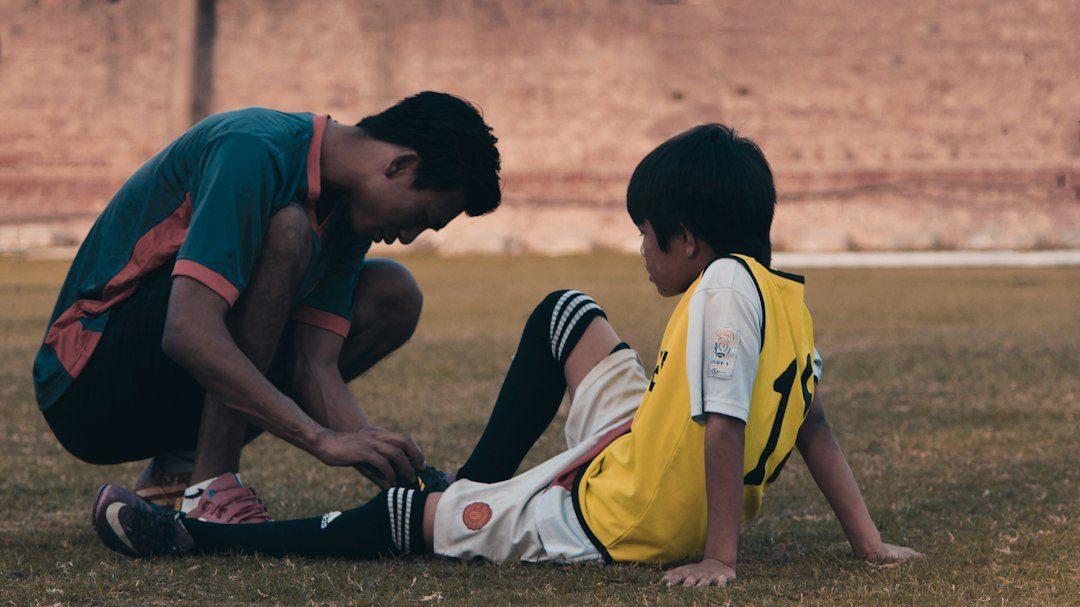
Don’t contact the coach immediately to argue the decision — if feedback is needed, wait a day and frame it as ‘what should my child work on,’ not ‘why wasn’t my child picked.’ Don’t let your own disappointment show more than your child’s; kids pick up on parental frustration and often absorb it as their own failure. Don’t force an immediate decision about quitting the sport or committing to extra training — let the emotional dust settle first. Do keep routines normal (practice, meals, bedtime) in the days after, since structure itself is reassuring. Do watch for signs the disappointment is lingering longer than a week or two — persistent withdrawal, loss of interest in things they used to enjoy, or ongoing negative self-talk are worth a closer conversation or outside support.
Explore more: More parent guides for youth athletes.
Helping kids bounce back after a bad tryout FAQs
How long should it take for my child to feel better after a bad tryout?
Most kids bounce back within a few days to a week once they’ve had space to process the disappointment and talk it through. If sadness, withdrawal, or negative self-talk persist much longer than that, it’s worth a deeper conversation or support from a school counselor or coach.
Should I talk to the coach about why my child didn’t make the team?
If you do reach out, wait a day or two and frame it as asking for constructive feedback on what your child can work on — not challenging the decision. Coaches are generally more willing to share useful, specific feedback when the conversation isn’t adversarial.
What if my child wants to quit the sport after getting cut?
Avoid making any big decision in the immediate aftermath. Let the initial disappointment pass, then revisit the question once they’re calmer — often the urge to quit fades once confidence starts to return.
Is it okay to let my child skip practice or games for a few days after a tough tryout?
A short breather is fine, but keeping normal routines — practice schedules, teammates, everyday structure — generally helps kids regain footing faster than stepping away entirely.
Level Up With SportsSteps
Track your athlete’s progress, connect with coaches and your team, and grow — get the SportsSteps app. Get the SportsSteps App.
Want training tips and sports news in your inbox? Subscribe to the free newsletter.
Photo by Konstantin Mishchenko on Unsplash.