
If your kid will only eat chicken nuggets and plain pasta but you’re also trying to fuel three practices a week, you’re not alone. Picky eating and youth sports collide constantly, and the usual advice to “just eat more vegetables” doesn’t help when dinner is already a negotiation.
This guide skips the lecture and focuses on what actually works: building on foods your athlete already likes, sneaking in the nutrients that matter most for energy and recovery, and avoiding the mistakes that turn mealtime into a power struggle before game day.
Quick Answer
Focus on getting enough total food (energy) into a picky young athlete first, then layer in protein and produce using foods they already accept — think a familiar base (pasta, rice, bread, nuggets) plus one added upgrade (cheese, beans, a fruit side, a smoothie) rather than an entirely new meal.
Start With What They Already Eat
Trying to overhaul a picky eater’s diet all at once almost always backfires. A more effective approach is to take their current “safe foods” and add small nutritional upgrades around the edges — swap white bread for a whole-grain version they haven’t noticed is different, melt cheese onto plain pasta, or serve chicken nuggets alongside fruit instead of fries.
Performance dietitians who work with picky young athletes often frame this as fuel first, perfection later: a kid who eats a reasonable amount of familiar food before practice will perform better than one who skips a meal because it included something unfamiliar.
Offering choices within boundaries also helps. Instead of asking “what do you want to eat,” ask “do you want the apple slices or the banana with your sandwich” — the athlete still gets control, but every option works for you.
Protein, Carbs, and Hydration for Young Athletes
Growing kids who train regularly need a steady supply of protein for muscle repair and recovery, and carbohydrates for the energy practices and games burn through. If your athlete won’t touch meat, look for other entry points: eggs, cheese, yogurt, milk, peanut butter, or beans worked into foods they already like (a cheese quesadilla, yogurt with granola, peanut butter on toast).
Carbs get a bad reputation, but they’re the primary fuel for young athletes — pasta, rice, bread, oatmeal, and fruit before a game or practice are not “junk,” they’re performance food. Pair a carb-heavy pre-practice snack with a little protein (like crackers and cheese, or toast with peanut butter) about one to two hours before activity.
Hydration matters as much as food and is easy to overlook. Have your athlete drink some water two to three hours before practice, then again shortly before starting, and offer water every 15–20 minutes during activity rather than waiting until they say they’re thirsty — kids are slower than adults to notice early dehydration. Plain water is enough for most practices; sports drinks are really only needed for intense activity lasting over an hour or in heavy heat. Skip soda, energy drinks, and sugary juice around practice times.

Tips / Common Mistakes
Don’t turn mealtime into a battle. Pressuring a picky eater to try new foods tends to backfire and can make them more resistant long-term — repeated low-pressure exposure (serving a new food alongside safe ones, with no requirement to eat it) works better over time.
Don’t skip meals before practice to “save time.” An athlete who shows up on an empty stomach will run out of energy mid-session, which often gets blamed on fitness or effort when it’s actually fuel.
Don’t rely on thirst alone to judge hydration, especially with younger kids — build water breaks into the routine instead.
Watch for red flags that go beyond typical picky eating: noticeable low energy, consistently skipping entire food groups, unusual weight changes, or anxiety around eating. If you see these, a pediatrician or a registered dietitian who works with young athletes can help — this guide covers everyday fueling, not medical or clinical nutrition concerns.
Explore more: More parent guides for young athletes.
Feeding a picky young athlete FAQs
What should a picky young athlete eat before a game?
Something familiar and carb-based with a little protein, eaten one to two hours beforehand — like toast with peanut butter, a banana with crackers, or pasta with cheese. Avoid introducing new or heavy foods right before competition.
My kid won’t eat vegetables at all — is that a problem for an athlete?
It’s common and not an emergency on its own. Focus first on getting enough overall food, protein, and carbs in; keep offering small amounts of produce without pressure, and consider fruit (smoothies, applesauce, fruit cups) as an easier entry point than vegetables.
How much water does a young athlete actually need during practice?
Roughly 3–8 ounces every 15–20 minutes during activity, on a schedule rather than only when they ask — kids often don’t recognize thirst early enough to self-regulate well.
Are sports drinks necessary for kids’ practices?
Usually not. Plain water covers most youth practices and games; sports drinks with electrolytes and carbs are mainly useful for continuous intense exercise over an hour or in extreme heat.
Level Up With SportsSteps
Track your athlete’s progress, connect with coaches and your team, and grow — get the SportsSteps app. Get the SportsSteps App.
Want training tips and sports news in your inbox? Subscribe to the free newsletter.
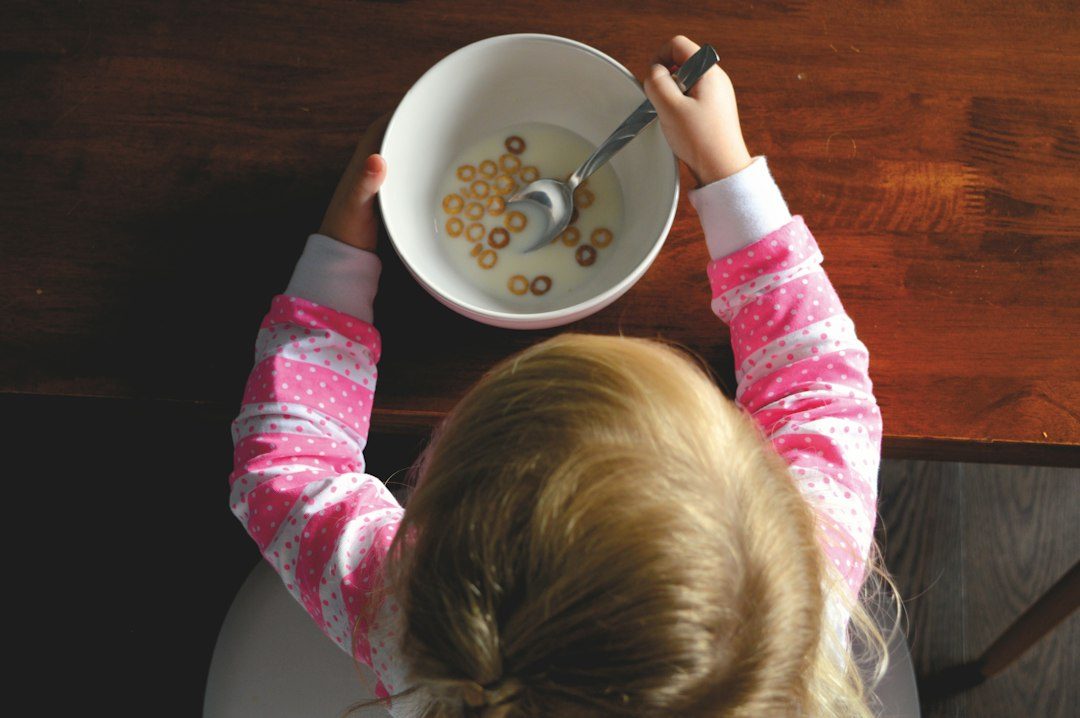
Photo by Providence Doucet on Unsplash.