
Coaching a youth team is one thing — coaching people your own age, some of whom you carpool with or grab beers with after games, is a different skill entirely. You don’t have the built-in authority of an adult talking to kids. You’re a peer who’s been handed (or who volunteered for) a whistle, and everyone on the roster knows it.
This guide covers how to lead an adult recreational team without becoming the person everyone dreads playing for — how to set expectations early, communicate clearly, handle the inevitable friction, and keep the group showing up week after week.

Quick Answer
Coach adult peers by leading with clarity, not authority: set expectations for playing time, communication, and effort in the first week, communicate the same way you’d want to be talked to, give every player a real role, and address problems privately and quickly instead of letting them fester.
Set the Terms Early
Most rec-league friction comes from mismatched expectations, not bad attitudes. Before the first real practice or game, spell out how you’ll handle lineups, substitutions, and playing time — even a rough rule of thumb like ‘everyone plays at least half the game unless it’s a close playoff situation’ heads off a lot of grumbling later.
Say out loud what you’re optimizing for: winning, fitness, fun, or some mix. Adults signed up for different reasons, and naming the priority up front lets people self-select into (or out of) the intensity level you’re running.
Put logistics in writing — game times, where gear lives, who brings water, how last-minute no-shows get communicated — in a group chat or shared doc. Adults have jobs and kids; ambiguity about logistics causes more no-shows than lack of interest does.
Lead Without Pulling Rank
You can’t out-authority your friends, so don’t try. Lead by example instead: show up early, hustle in drills, stay calm with referees, and handle your own mistakes the way you want teammates to handle theirs. People copy behavior faster than they follow instructions.
Give teammates real ownership. Ask someone to run warm-ups, another to handle the equipment bag, another to organize the post-game group chat or standings. Small, named roles turn passive players into invested ones and take work off your plate.
Communicate the way you’d want to be coached — direct but not condescending. Explain the why behind a decision (‘I’m resting you this quarter so you’re fresh for the last one’) rather than just announcing it. Adults tolerate a coaching decision they disagree with far better than one they don’t understand.
Ask for input on things that don’t matter competitively — practice time, jersey colors, post-game plans — even if you make the call yourself on strategy. It signals respect without diluting your decision-making on the things that actually affect the game.
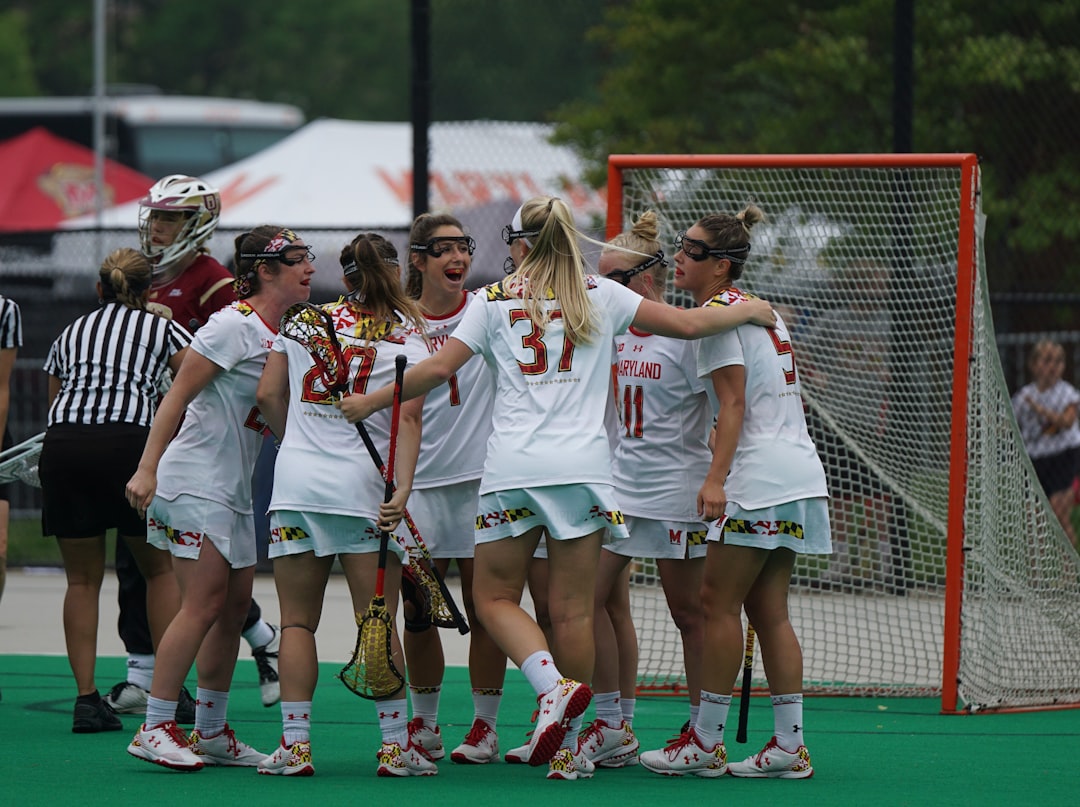
Handle Conflict and Skill Gaps Fairly
Rec teams almost always have a spread of ability, and that’s where most coaching headaches start. Address playing-time complaints or personality friction one-on-one and quickly — a two-minute private conversation after practice prevents a two-week simmering resentment that spreads to the group chat.
When you have to give a peer critical feedback, keep it about the specific play or habit, not the person, and say it the way you’d want to hear it from a friend. ‘Let’s work on your positioning on defense’ lands very differently than calling someone out in front of the team.
Don’t play favorites with your actual friends on the roster. It’s the fastest way to lose the locker room in an adult league, since everyone notices and nobody says anything — until they quietly stop showing up.
Tips / Common Mistakes
Don’t over-coach a rec league like it’s a championship run — most players are there for exercise and a social outlet, not a title, so match your intensity to theirs.
Don’t wait for problems to resolve themselves; unaddressed friction between adult teammates tends to get worse, not better, because everyone’s too polite to bring it up first.
Don’t try to do everything yourself. Delegate warm-ups, snacks, scheduling, or stats to teammates who are willing — carrying every task alone is a common reason volunteer coaches burn out and step away, right alongside the general time commitment of running a team on top of a job and family.
Do check in informally outside of games — a quick ‘how’s the team feeling?’ text to a couple of players now and then catches issues you’d otherwise miss.
Explore more: more coaching guides.
Coaching an adult rec team FAQs
How do I get respect as a coach when I’m coaching my own friends?
Respect comes from consistency and fairness, not rank. Show up prepared, apply the same rules to everyone including yourself, and explain your decisions instead of just announcing them.
How much playing time should everyone get on an adult rec team?
There’s no official rule, but most successful rec teams aim for roughly even playing time unless it’s a genuinely competitive game, since most players joined for exercise and fun rather than to sit on the bench.
What if a teammate keeps missing games or showing up late?
Talk to them privately and find out why before assuming it’s a lack of commitment — work schedules and family obligations are common. If it becomes a pattern, set a clear, team-wide attendance expectation so it’s not personal when you enforce it.
Do I need any formal training to coach an adult rec team?
Usually not, but a basic coaching certification through your league or sport’s governing body can help with fundamentals, safety, and confidence, especially if you’re new to leading a group.
Level Up With SportsSteps
Track your athlete’s progress, connect with coaches and your team, and grow — get the SportsSteps app. Get the SportsSteps App.
Want training tips and sports news in your inbox? Subscribe to the free newsletter.
Photo by Camylla Battani on Unsplash.