
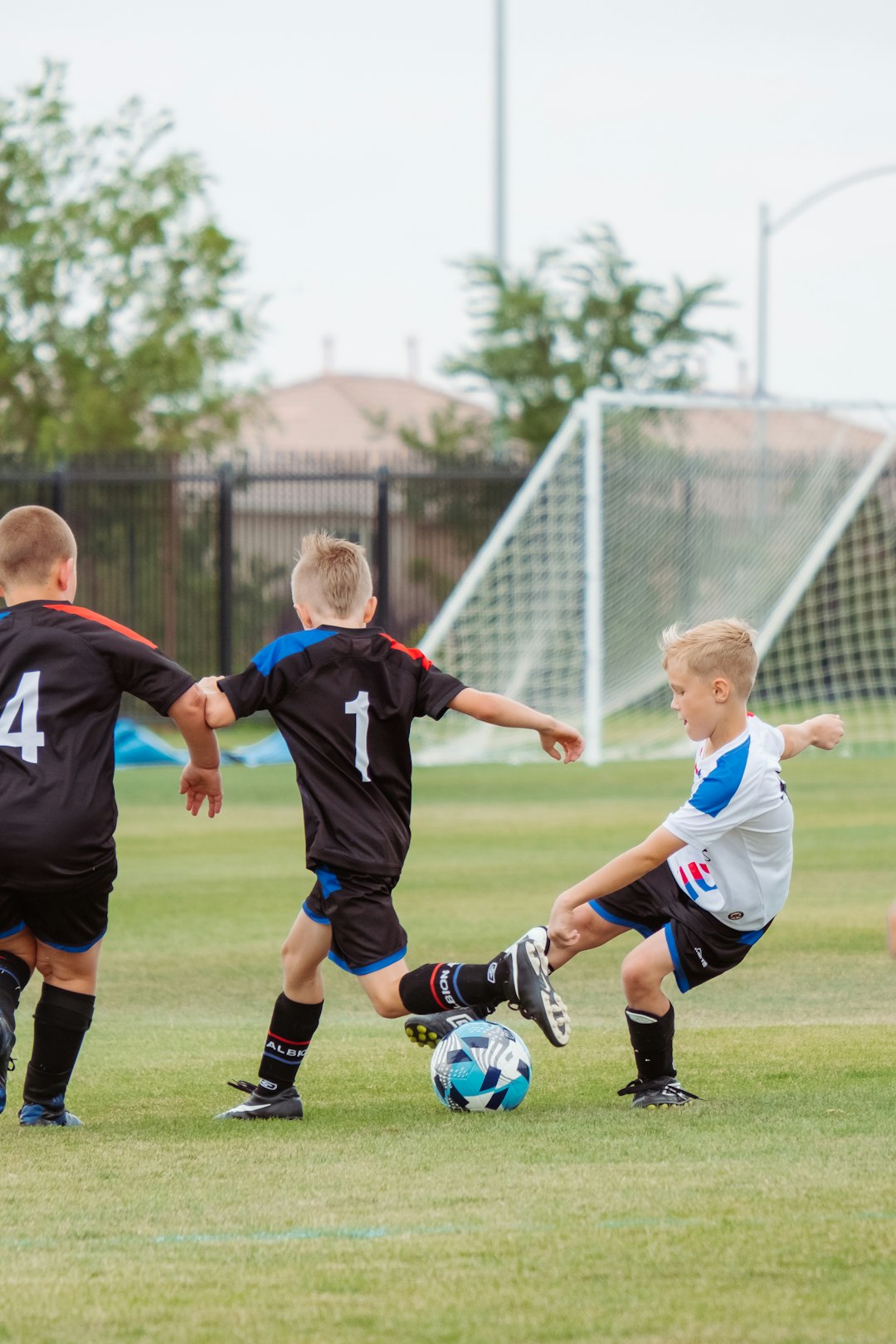
Ask a group of 10-year-olds to run three laps around the field and watch the energy drain out of practice. Ask them to play a fast-paced 4v4 to five goals and you’ll get the same sprinting, changing direction, and heavy breathing — except now they’re begging for one more round. That’s the appeal of game-speed conditioning: soccer is never played in straight lines at a steady pace, so training that mirrors the sport’s stop-start demands builds fitness in a way that’s specific to the game, while keeping players engaged.
This guide walks through why small-sided games and game-speed drills are a smart alternative to distance running for youth conditioning, plus specific formats, work-to-rest ratios, and drills you can run at your next practice — no cones-in-a-circle jogging required.
Quick Answer
Small-sided games (like 4v4 or 5v5 on a small field) condition young players about as effectively as distance running or interval training for aerobic fitness, according to sports science research — they aren’t more effective on that measure, but they build sprint repeatability, agility, and decision-making under fatigue that laps can’t, and players enjoy them far more, which matters for keeping kids showing up and working hard.
Why Game-Speed Drills Work
Soccer is an intermittent sport: short bursts of sprinting, jogging, and change of direction, repeated for 60-90 minutes. Distance running conditions the aerobic system but doesn’t train the body to recover quickly between hard efforts or to think and execute skills while fatigued — both of which decide games. Studies and meta-analyses comparing small-sided games to running-based interval training in youth players have consistently found the two approaches produce similar gains in aerobic fitness and cardiorespiratory endurance, with small-sided games sometimes falling slightly short on top-end sprint speed since players rarely get a long, open runway. The practical takeaway isn’t that games are physiologically superior for conditioning — it’s that they deliver comparable conditioning while also reinforcing ball skills, spatial awareness, and competitive habits, which is a better use of limited practice time.
A basic small-sided game format for conditioning: play 4v4 or 5v5 on a field roughly 30×20 to 40×30 yards, no goalkeepers, small goals. A common work-to-rest structure is 2-4 minutes of play followed by 2-3 minutes of rest, repeated for 4-6 rounds — similar to a running-based interval session but with a ball involved. Smaller fields and fewer players per side increase intensity; larger fields and more players lower it, so coaches can dial the conditioning stimulus up or down just by adjusting the setup.
Drills to Run at Practice
Possession box (4v4+2 or 5v5+2): two teams of four or five inside a grid, plus two neutral players who always play with whoever has the ball, creating a numbers advantage that forces constant movement and quick decisions. Run 3-minute rounds with 90 seconds of rest for 4-5 rounds.
Sprint-to-goal transition games: two small goals at each end of a tight grid; every turnover forces an immediate sprint the other direction. This trains the repeated-sprint ability that matches real match situations far better than steady jogging.
Pressing games (3v3 to 5v5, no goalkeepers): reward quick pressure after losing the ball with a point bonus, which naturally produces high-intensity bursts followed by short recovery — the same pattern as a real match.
For players who need extra top-end speed or aerobic base work beyond what games provide, pair 1-2 small-sided sessions per week with short sprint work (10-30 yard sprints with full recovery) and one longer continuous run or tempo session, rather than relying on either method alone.
Tips / Common Mistakes
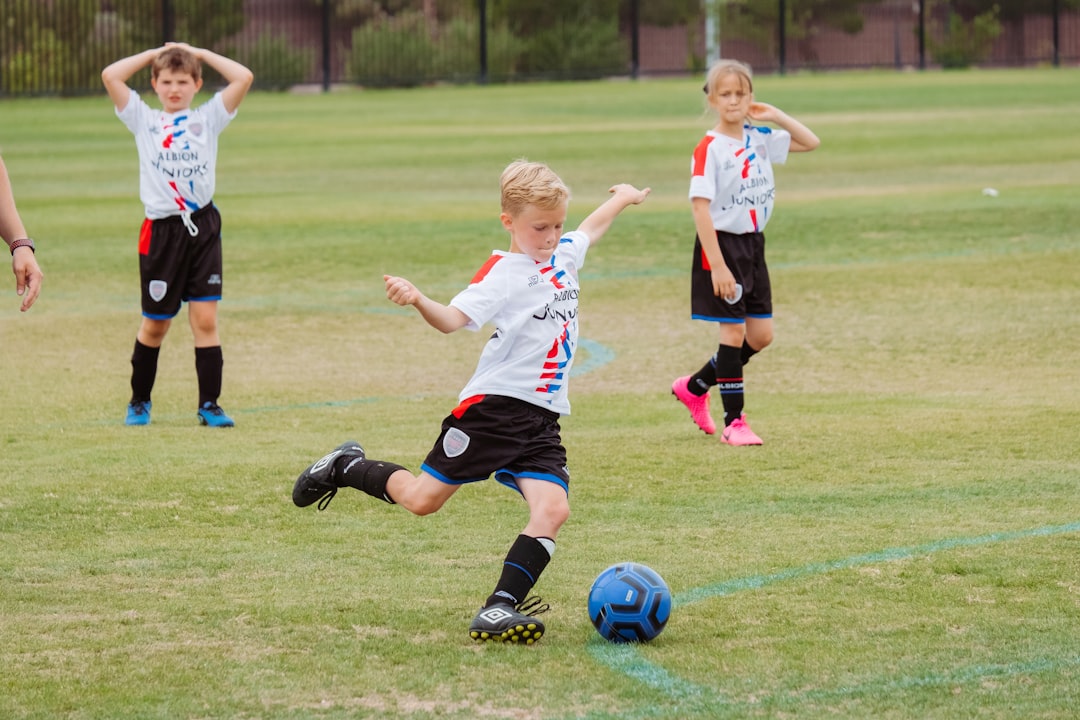
Don’t make every session all-out. Vary field size and player numbers so some days emphasize technical work at lower intensity and others push conditioning hard — running every small-sided game at max effort risks burnout and overuse injuries in young athletes.
Match the format to the age group. Younger players (under 10) get plenty of conditioning from games and fun-based drills alone; formal interval structures and dedicated sprint work are more useful from early adolescence onward as players’ training capacity increases.
Track effort qualitatively, not just with a stopwatch. A soccer-specific field test like the Yo-Yo Intermittent Recovery Test or a 20m shuttle run test can help coaches gauge fitness trends over a season without needing lab equipment.
Give real rest between rounds. Cutting recovery too short across an entire session just produces fatigue without the intensity that makes small-sided games effective — a genuine work-to-rest ratio (roughly 1:1 for shorter rounds, up to 1:2 for tougher ones) matters more than cramming in nonstop activity.
Explore more: More training and performance guides.
Youth soccer conditioning FAQs
Are small-sided games better than running for youth soccer conditioning?
Not better on aerobic fitness specifically — research consistently shows they produce similar aerobic gains to distance running or interval training. Their advantage is that they build soccer-specific qualities like repeated sprinting, agility, and decision-making under fatigue at the same time, and kids enjoy them more, which helps with consistency and effort over a season.
What size should a small-sided game be for conditioning?
4v4 or 5v5 on a field roughly 30×20 to 40×30 yards works well. Smaller fields and fewer players raise intensity; larger fields and more players lower it, so adjust based on the fitness effect you want.
How often should youth teams do conditioning-focused small-sided games?
Two to three sessions a week is typical during the season, mixed with lower-intensity technical work so players aren’t at max effort every practice.
Do young players still need any straight-line running?
Short sprint work (10-30 yards with full recovery) is still valuable for top-end speed, since small-sided games rarely allow players to reach maximum sprint speed on a tight field. A longer continuous run or tempo session once a week can also help build a broader aerobic base.
Level Up With SportsSteps
Track your athlete’s progress, connect with coaches and your team, and grow — get the SportsSteps app. Get the SportsSteps App.
Want training tips and sports news in your inbox? Subscribe to the free newsletter.
Photo by Quilia on Unsplash.