
Getting out of breath in freestyle is one of the most common frustrations for swimmers of all levels. The water feels choppy, your arms lose rhythm, and suddenly you’re hanging on the lane rope wondering what went wrong. The good news: in most cases, the problem is technique, not fitness.
This guide covers the exact mechanics of freestyle breathing — head position, exhale timing, stroke rhythm, and the drills that fix it fast. Whether you’re a beginner trying to swim a full length or an intermediate swimmer who wants to stop gasping mid-set, these fixes work.
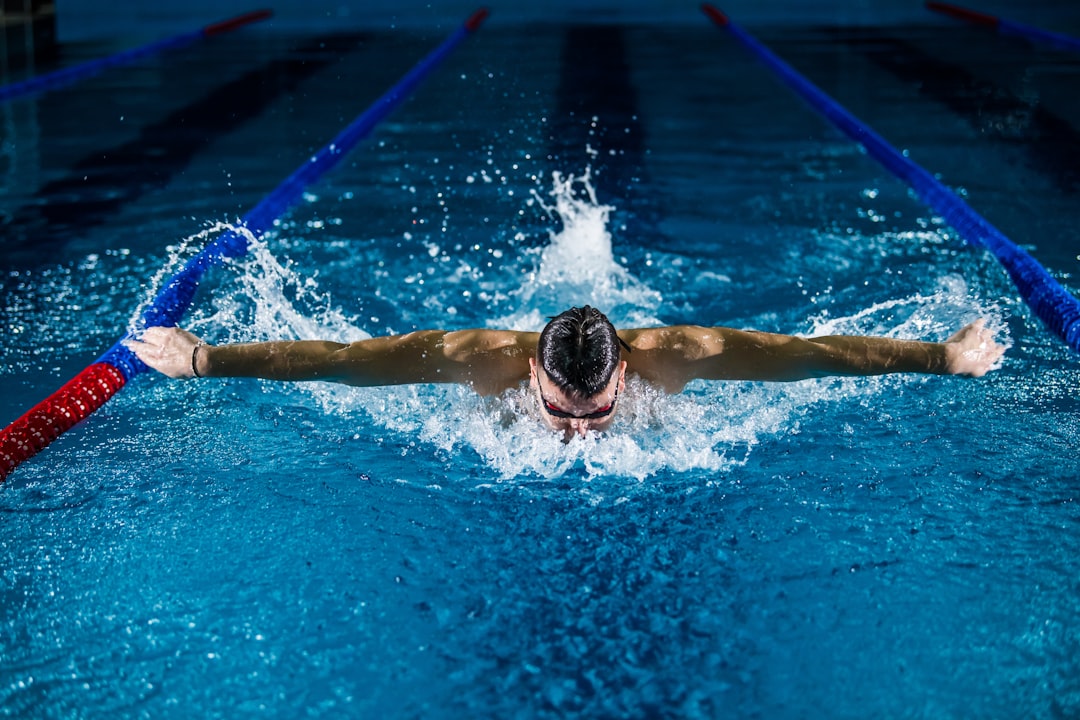
Quick Answer
The single biggest reason swimmers get out of breath in freestyle is holding their breath instead of exhaling steadily underwater. Fix it by slowly blowing air out through your nose and mouth while your face is down, then rotating your head to the side (not lifting it) for a quick inhale. One goggle stays in the water, one comes out. Time your breath to your body rotation — not a separate head lift — and your stroke will immediately feel calmer and more sustainable.
The Mechanics of a Good Freestyle Breath
Head position is everything. When you breathe, rotate your head to the side along with your natural body roll — do not lift it up or crane forward. A useful cue: one goggle stays submerged, one comes out of the water. The moment you look forward or lift your chin, your hips drop and your legs become a drag anchor, making every subsequent stroke harder.
Exhale continuously and steadily while your face is in the water. Many swimmers hold their breath between strokes, which means they have to exhale and inhale in the tiny window when their mouth clears the surface. That’s physically impossible to do cleanly. Instead, keep a slow, controlled trickle of air leaving your nose and mouth the entire time your face is down — so when you rotate, you only need a quick, sharp inhale.
Timing the breath correctly: turn your head to breathe as the opposite arm enters the water, not your same-side arm. Your body rotation is already happening at that moment, so your head follows naturally. Return your head to the neutral (face-down) position before your same-side hand enters the water. If your head is still turned when that hand reaches the water, your stroke is breaking down.
Bilateral vs. One-Side Breathing — What to Use
Bilateral breathing means alternating sides — typically breathing every three strokes instead of every two. It builds a symmetrical stroke, prevents muscle imbalances, and forces you to manage your air more efficiently since you breathe less often. USA Swimming coaches widely recommend practicing it in training even if you race breathing to one preferred side.
Breathing every two strokes (same side each time) gives you more oxygen and works well during hard efforts or when fatigued. Many competitive swimmers breathe every two in races and every three in training. For beginners, start with every two strokes to one side until the mechanics feel natural, then layer in bilateral breathing as a drill. The goal is not rigid dogma — it’s finding a pattern that keeps your stroke smooth and your lungs comfortable.
Whatever pattern you choose, consistency matters more than the number. An irregular breathing pattern — grabbing air whenever you panic — disrupts your rhythm and almost always makes breathlessness worse.
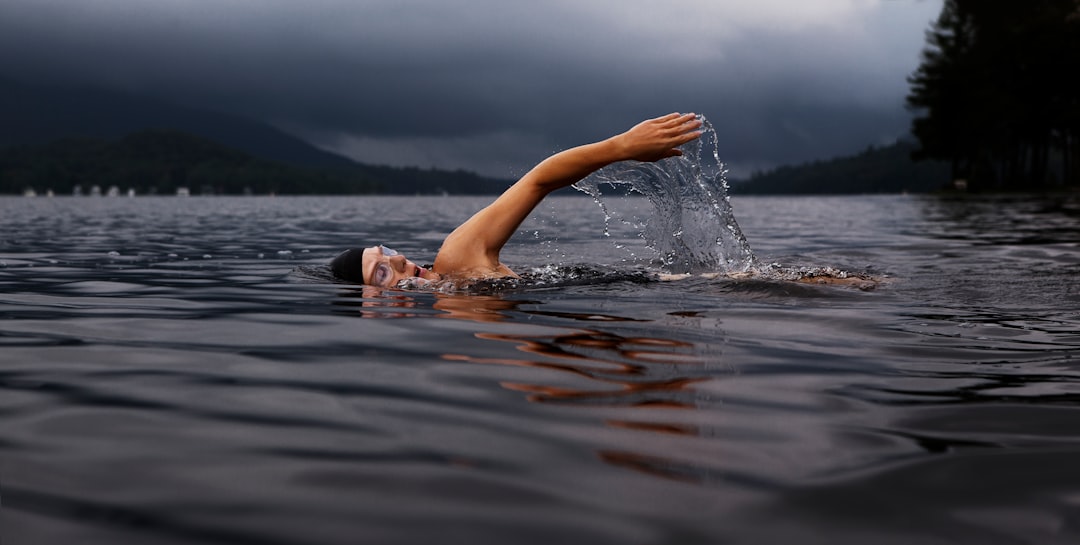
Two Drills That Fix Breathing Fast
The kick-and-breathe drill isolates breathing from arm coordination. Push off the wall on your side with your bottom arm extended and your top arm at your hip. Flutter kick and practice rotating your head to breathe without lifting it — your extended arm acts as a balance point. Do a length breathing to the right, a length breathing to the left. This drill makes it obvious immediately if you’re lifting instead of rotating.
The exhale countdown drill builds the habit of continuous exhalation. Push off the wall face-down with a kickboard. Count slowly to six while exhaling all your air through your nose. At six, rotate your head to the side and take a quick, full breath. Repeat. It feels slow but it rewires the instinct to hold your breath — which is the root cause of most freestyle breathlessness.
Common Mistakes and How to Fix Them
Lifting your head instead of rotating is the most common error. It feels intuitive because you want to see where you’re going, but lifting your chin drops your hips and forces your legs to sink. The fix: keep your eyes looking at the bottom of the pool while you rotate, not the wall in front of you.
Over-rotating to the breathing side — turning your head so far that your shoulder drops below the surface — is the second most common problem. It kills your body position and creates drag on the non-breathing side. Practice keeping your rotation minimal: mouth just clears the surface, one goggle in, one goggle out.
Holding your breath underwater is almost universal in beginners. It feels safer, but it means you’re exhaling and inhaling in under half a second when your mouth breaks the surface — which is not enough time. The solution is deliberate, practiced exhalation: commit to breathing out the entire time your face is down, every single stroke.
Taking a slow, long breath — ‘star-gazing’ — is a timing error that kills stroke rate and momentum. Your inhale should be sharp and quick, not a leisurely pause. If you find yourself looking around while breathing, your head is out of the water too long. Rotate, grab air, rotate back — all in one fluid motion that lasts under a second.
Explore more: More swimming guides and tips.
freestyle swimming breathing FAQs
Why do I get out of breath in freestyle even when I’m fit?
Fitness is rarely the issue. The most common culprit is holding your breath underwater instead of exhaling steadily, which means you have to do both the exhale and inhale in the tiny moment your mouth clears the surface. Slow, continuous exhalation while your face is down solves this for most swimmers within a single session.
Should I breathe out through my nose or mouth in freestyle?
Both. Exhale through your nose and mouth simultaneously while your face is underwater — a steady stream, not a burst. When you rotate to inhale, take the breath through your mouth since it has a larger opening and lets you inhale faster. Many swimmers exhale primarily through the nose to prevent water from entering, but mouth exhaling is also fine.
How often should a beginner breathe in freestyle?
Start by breathing every two strokes to your dominant side — this gives you the most air while you’re building technique. Once that feels comfortable and your head position is solid, practice breathing every three strokes (bilateral breathing) to develop a balanced, symmetrical stroke. Don’t try to fight through discomfort by breathing less often; breathe as often as you need to until technique improves.
Level Up With SportsSteps
Track your athlete’s progress, connect with coaches and your team, and grow — get the SportsSteps app. Get the SportsSteps App.
Photo by Gentrit Sylejmani on Unsplash.