
A freestyle flip turn is one of the most time-saving skills in competitive swimming — but it can feel disorienting and awkward the first time you try it. Done right, it keeps your momentum and shaves seconds off every lap without a wasted breath or clumsy stop at the wall.
This guide breaks the flip turn into four clear phases — approach, rotation, push-off, and streamline — so you can drill each part separately before putting it all together. Whether you’re learning for the first time or cleaning up bad habits, these steps and common-mistake fixes will get you there.
Quick Answer
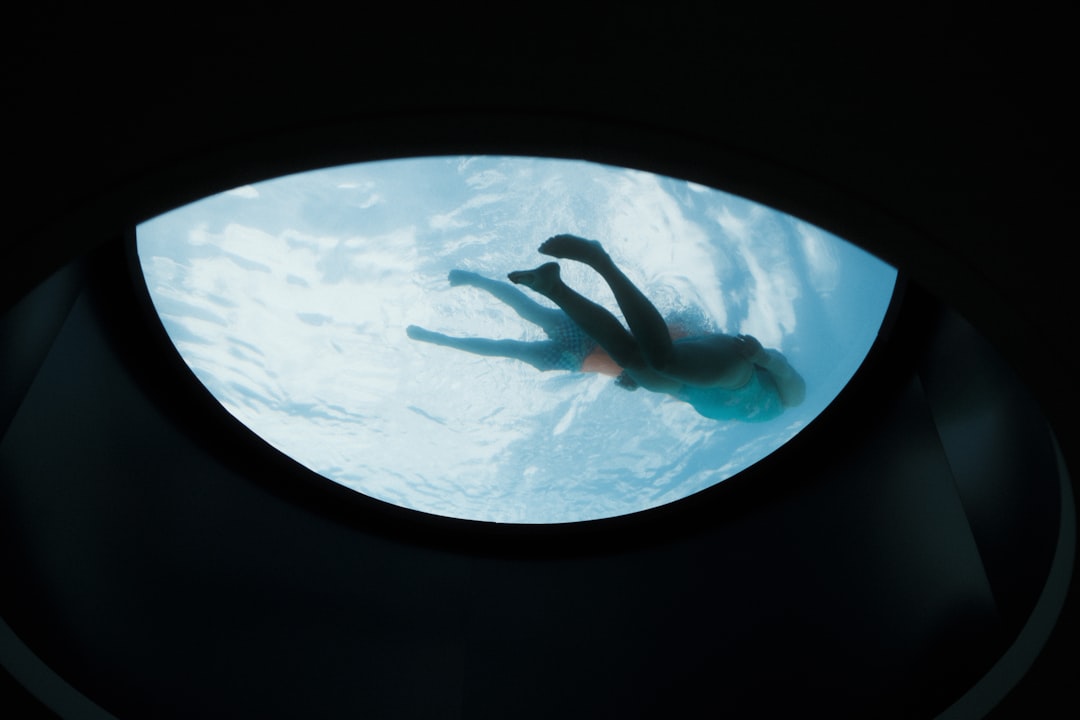
A freestyle flip turn works like this: maintain speed into the wall, trigger your flip when your lead hand passes over the black T marker on the pool floor, tuck your chin and pull your knees to your chest in a tight somersault, plant your feet on the wall with toes pointing up, push off explosively into a streamline on your back, rotate to your stomach, and dolphin kick before resuming freestyle. The whole sequence should feel like one continuous motion, not a stop-and-restart.
Step-by-Step: The Four Phases of a Flip Turn
Phase 1 — Approach. The most common beginner error happens before the flip even starts: slowing down. You carry whatever momentum you bring into the turn back out of it, so decelerating hurts your split every time. Swim at full stroke rhythm. Take your last breath at the backstroke flags (about 5 meters out) and keep your eyes on the pool floor — looking up at the wall drops your hips and kills speed. Finish your last pull with your hand driving all the way past your hip.
Phase 2 — Rotation. Start your flip when your leading hand passes over the black T marker on the pool floor, roughly half an arm’s length to one arm’s length from the wall. Drop your chin firmly to your chest and pull your knees toward your chest — not your heels to your hips, which creates a loose, slow tuck. Exhale gently through your nose the entire time to keep water out. The rotation is core-driven: your abs create the spin. Keep your hands close to your body rather than sweeping them wide, which creates drag and delays your streamline.
Phase 3 — Wall Contact and Push-Off. Land with your feet flat on the wall, toes pointing straight up (12 o’clock), shoulder-width apart with knees naturally bent in a quarter-squat position. Your feet should contact the wall about 30–45 cm below the surface. Too high and you push too deep; too low and you push too shallow. Lock your arms into a streamline overhead before your feet leave the wall, then explode off through the balls of your feet. You push off on your back — that is correct form.
Phase 4 — Streamline and Breakout. Hold a tight streamline: arms squeezed around your ears, hands stacked, body arrow-straight. Rotate gradually from your back to your stomach as you glide. Take 3–5 dolphin kicks underwater, driven from the hips rather than the knees, to maintain the speed your push-off generated. Break into your first freestyle stroke only when your glide speed drops to roughly your surface swimming pace — typically 1.5–2 body lengths from the wall.
How to Practice: Start Without the Wall
Before adding the wall, practice the somersault in open water. Push off the middle of the pool, swim a few strokes, then tuck and flip. This removes the anxiety of the approaching wall and lets you feel what a tight, controlled rotation should feel like. Once your flip is compact, move to within one lane length of the wall and add the push-off.
Count your strokes from the backstroke flags to the wall during every practice rep so you learn exactly how many strokes carry you to the T mark — usually 3–4 for most adult swimmers. Baking that count into muscle memory means you can execute a consistent turn without looking up or guessing your distance, which is what kills speed in beginner turns.
Tips and Common Mistakes
Don’t breathe going into or immediately out of the turn. Breathing past the flags before the flip lifts your head and disrupts timing. Breathing right after the push-off surrenders the underwater momentum you just earned. Wait 2–3 strokes after your breakout before taking your first breath.
Flip straight over, not sideways. Beginners often rotate onto one shoulder during the flip, so their feet land at an angle and the push-off goes sideways instead of directly off the wall. Focus on flipping head-over-heels along your body’s center line, landing with both feet square.
Let your core drive the flip, not your arms. Pulling aggressively with your arms to force rotation produces a slower, messier turn. Keep hands close to your body throughout the somersault and shoot them into streamline the moment your feet make wall contact.
Fix your streamline before anything else. Flared elbows, a loose core, or a raised head after the push-off wastes all the speed the wall gives you. Practice holding a tight streamline push-off on its own until the position is automatic — everything else builds on top of it.
Explore more: More swimming guides and tips.
Freestyle flip turn FAQs
How close to the wall should I start my flip?
Start your flip when your leading hand passes over the black T marker on the pool floor — roughly half to one arm’s length from the wall. Flipping too far out means your feet barely reach the wall for a weak push; too close and you jam into it with bent legs and no power.
Why do I keep getting water up my nose during flip turns?
Water enters when you stop exhaling during the rotation. Breathe out gently but continuously through your nose the entire time you’re flipping — the small outward air pressure keeps water out. This is the single most effective fix for nose discomfort in flip turns.
How many dolphin kicks should I take off the wall?
Most swimmers use 3–5 dolphin kicks, staying underwater as long as their underwater speed exceeds their surface freestyle speed. For fitness or recreational swimmers just learning flip turns, 2–3 kicks is a solid starting point — the goal is to feel momentum, not to max out underwater distance.
Level Up With SportsSteps
Track your athlete’s progress, connect with coaches and your team, and grow — get the SportsSteps app. Get the SportsSteps App.
Photo: Marines from Arlington, VA, United States / Public domain, via Wikimedia Commons.