
Youth athlete development reached a turning point this week, with a $5 million soccer investment, record girls flag football participation, and new injury-prevention science reshaping how young players train and compete. From corporate commitments to academic research, the forces behind youth athlete development are accelerating — and parents, coaches, and organizations need to keep pace.
Youth Sports News
Chobani Commits $5 Million to Youth Soccer Ahead of FIFA World Cup 2026
Chobani launched its “Feed the Dream” grassroots campaign this month, pledging $5 million to sponsor 500 youth soccer clubs nationwide — each receiving a $10,000 package covering equipment, nutrition, and coaching resources. U.S. national team ambassadors are headlining events as the brand aligns with the summer’s FIFA World Cup. The initiative also includes a nutrition curriculum developed with Soccer Forward Foundation, putting healthy fueling at the center of youth athlete development for a new generation of soccer players. Youth Sports Business Report has the full breakdown.
Girls Flag Football Hits Record 68,847 Participants
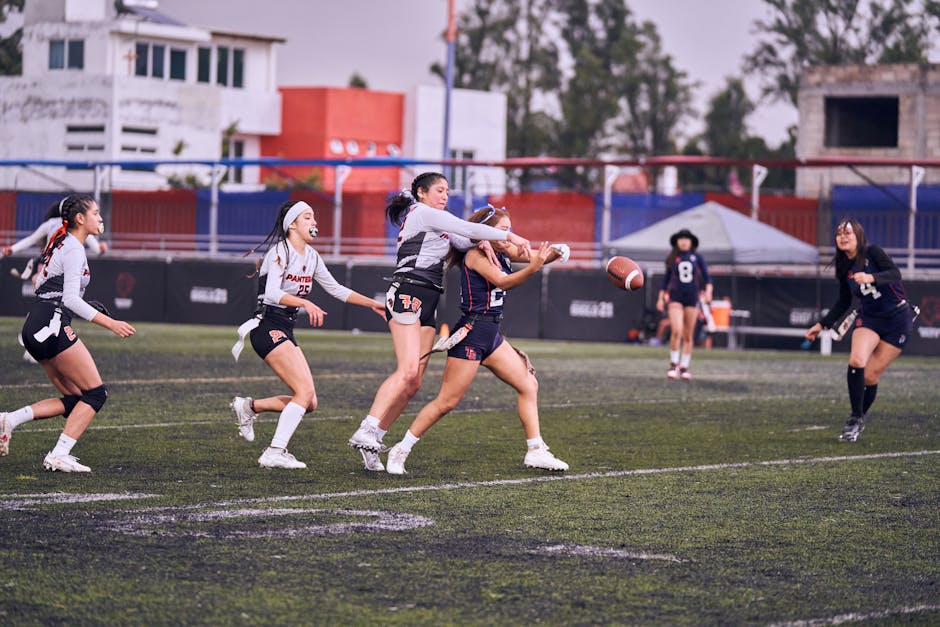
Girls flag football participation surged 60% in the 2024-25 school year, with 68,847 girls competing across 2,736 schools — the highest figures ever recorded. Seventeen states now officially sanction the sport, and six more are voting on sanctioning in 2026. Since the first post-pandemic survey, girls flag football has grown 388%, a trajectory that is reshaping the conversation around equitable access in youth sports. If you’re weighing sport options for a young athlete, our guide on choosing the right youth sports league can help you think through the decision.
FOX Sports and Boys & Girls Clubs Expand Soccer Access for 26,000 Youth
FOX Sports and Boys & Girls Clubs of America announced a $500,000 expanded partnership on May 21, 2026, funding training for 160+ new coaches, certification for 80 teen referees, and Soccer Forward Fest community celebrations across the country. The program specifically targets underserved communities, directly addressing the access gap that has grown alongside surging participation costs.
Youth Sports Participation Hits 65% — But Costs and Inequality Are Rising
Youth sports participation reached 65% in 2024, the highest rate since 2012, with over 45 million Americans under 18 playing organized sports annually. The good news ends there for many families: average annual spending has jumped 46% to $1,016, and the participation gap between low- and high-income households has widened from 13.6 to 20.2 percentage points since 2012, according to a new report from Youth Sports Business Report. Record participation headlines are masking a deepening access crisis.
ESPN Take Back Sports Week Reaches 935,000 Young Athletes
ESPN’s three-week Take Back Sports initiative (April 13 – May 1, 2026) reached 935,000 youth through grants, trained 67,000 coaches, and hosted multisport sampling events in eight U.S. markets in partnership with the YMCA. Ambassadors including Stephen Curry and Peyton and Eli Manning brought major visibility to the program, spotlighting the role of community access and positive coaching in long-term athlete success.
Training & Performance Science
Early Youth Talent Doesn’t Predict Adult Elite Performance, Research Finds
A sweeping study led by researcher Arne Güllich — analyzing 34,839 world-class performers — found that the top junior athletes and the top senior athletes are “mostly different individuals.” Early specialization increases injury and burnout risk while offering little predictive value for long-term elite success. The research strongly recommends multidisciplinary engagement in early youth athlete development, reinforcing what many coaches already observe: building a broad athletic foundation through speed and agility training serves young athletes far better than locking them into a single sport before age 12.
FIFA 11+ Kids Program Cuts Injury Risk by 48%
Structured neuromuscular warm-up programs — specifically the FIFA 11+ Kids protocol — reduce overall injury risk by 48% and serious injuries by 74%, according to research published by Premier Science. The program integrates balance, strength, and proprioception training into pre-practice warm-ups, making it one of the most cost-effective tools coaches at every level can implement immediately.
Multifaceted Injury Prevention Programs Reduce Youth Injuries by 40%+

Beyond FIFA 11+, a broader body of research confirms that programs combining warm-up sequences, neuromuscular strength work, and proprioception drills reduce injuries by at least 40% in youth team sports. Neuromuscular training alone shows greater than 35% injury reduction with meaningful downstream healthcare cost savings. The evidence is unambiguous: structured prevention programs are a foundation of responsible youth sports, not an optional add-on.
Wearables Show 76–89% Accuracy in Predicting Youth Injury Risk
Inertial sensors and electromyography devices are beginning to deliver real promise for predicting injury risk in young athletes, with accuracy rates of 76–89% based on movement pattern analysis. While most tools remain in research settings, heart rate variability monitors and fatigue trackers are becoming accessible to club programs. Coaches considering these systems should also review last week’s coverage in our May 17 youth sports roundup, which covered heat safety protocols alongside emerging wearable policy guidance.
Sports Tech & Community
PLAYR Debuts First Performance Nutrition Line Built for Ages 8–18
PLAYR launched this week with two products specifically designed for youth athletes: PLAYR CORE (a daily hydration and recovery powder) and PLAYR CLUTCH (a game-day performance gummy) — both caffeine-free and transparently formulated. Founded by sports parent Dustin Vann, PLAYR fills a long-standing gap between adult sports supplements and the sugar-heavy products traditionally marketed to kids. BevNet covered the launch on May 28, 2026.
ETS Performance Acquires Kula Sports Performance, Serving 50,000+ Youth Athletes
Faith-based athlete development organizations ETS Performance and Kula Sports Performance merged in late March 2026, creating a combined network spanning over 80 locations and serving more than 50,000 youth athletes nationally. The deal unites science-based training with notable alumni — including NFL running back Christian McCaffrey and Olympic heptathlon champion Anna Hall — and signals growing consolidation in the youth athlete development training sector.
MLS Innovation Lab’s Third Cohort Puts Tech to Real-World Youth Tests
The MLS Innovation Lab unveiled its third technology cohort this week, with five partners testing solutions at MLS NEXT Fest, Generation adidas Cup, and MLS NEXT Cup — all elite youth competitions. A standout entry: Fit Match technology that uses smartphone skeletal measurement to place youth athletes in physically appropriate play divisions, reducing injury risk from age-weight mismatches before a single game is played.
NCAA Wearables Guidelines Offer a Framework Youth Organizations Can Adopt
The NCAA’s newly approved framework for performance technology — built on limited utility, risk awareness, and accountability — provides a governance model that youth sports organizations, which often lack structured technology policy, can adapt directly. As wearable adoption accelerates at the club and high school levels, clear policy frameworks will be critical to protecting the athletes who generate the data.
Indigenous Youth Sports Programs Prioritize Culture and Whole-Athlete Development
Indigenous youth sports programs in 2026 — from Alaska’s Native Youth Olympics to partnerships with the Nike N7 Fund — are centering mental, physical, emotional, and spiritual development alongside competition results. Wraparound support including transportation, meals, and equipment removes participation barriers disproportionately affecting Indigenous communities, while cultural integration ensures youth sports strengthen rather than displace community identity.
Sources
- Boys & Girls Clubs of America — FOX Sports and BGCA Expand Youth Soccer Access Nationwide
- Youth Sports Business Report — Youth Sports Hits Record Participation But Cost Surge Widens Income Gap
- BevNet — PLAYR Launches Performance Nutrition Brand Built Specifically for Youth Athletes
- PR Newswire — MLS Innovation Lab Unveils Third Cohort Driving the Future of the Game
- ESPN Press Room — Take Back Sports Week Reaches 935,000 Young Athletes
Frequently Asked Questions
What is the biggest youth sports trend in May 2026?
Girls flag football is one of the fastest-growing trends, with 68,847 participants across 2,736 schools — a 60% year-over-year increase — and six additional states voting on sanctioning the sport in 2026.
How does the FIFA 11+ Kids program reduce youth sports injuries?
The FIFA 11+ Kids program integrates neuromuscular training, balance work, and proprioception exercises into standard pre-practice warm-ups. Research shows it reduces overall injury risk by 48% and serious injuries by 74%, making it one of the most effective and accessible tools in youth athlete development.
Is early sports specialization good for young athletes?
The research says no. A study analyzing 34,839 world-class performers found that top junior athletes and top adult performers are mostly different people. Early specialization raises injury and burnout risk without reliably predicting elite adult success — multisport participation in early youth generally produces better long-term outcomes.
What nutrition products are now available specifically for young athletes?
PLAYR launched in May 2026 as one of the first performance nutrition brands designed specifically for athletes aged 8–18. Its products — PLAYR CORE and PLAYR CLUTCH — are caffeine-free and transparently labeled, addressing the gap between adult supplements and sugary products previously marketed to youth.
Why is youth sports participation at a record high but access declining for low-income families?
Youth sports participation reached a 12-year high of 65% in 2024, but average annual family spending jumped 46% to $1,016. The participation gap between low-income and high-income households has widened by nearly 7 percentage points since 2012, creating a two-tiered system that sits behind the record-setting headline.