
Hydration strategies for youth athletes are often the most overlooked piece of performance. A kid who shows up two percent dehydrated can lose ten to twenty percent of their power output, slow down on every sprint, and make poor decisions late in games. Worse, dehydration is the leading factor in heat illness, which sends thousands of young athletes to ERs every summer. Hydration is a coaching responsibility, not a parent afterthought. These seven strategies make it simple.
Why Kids Dehydrate Faster Than Adults
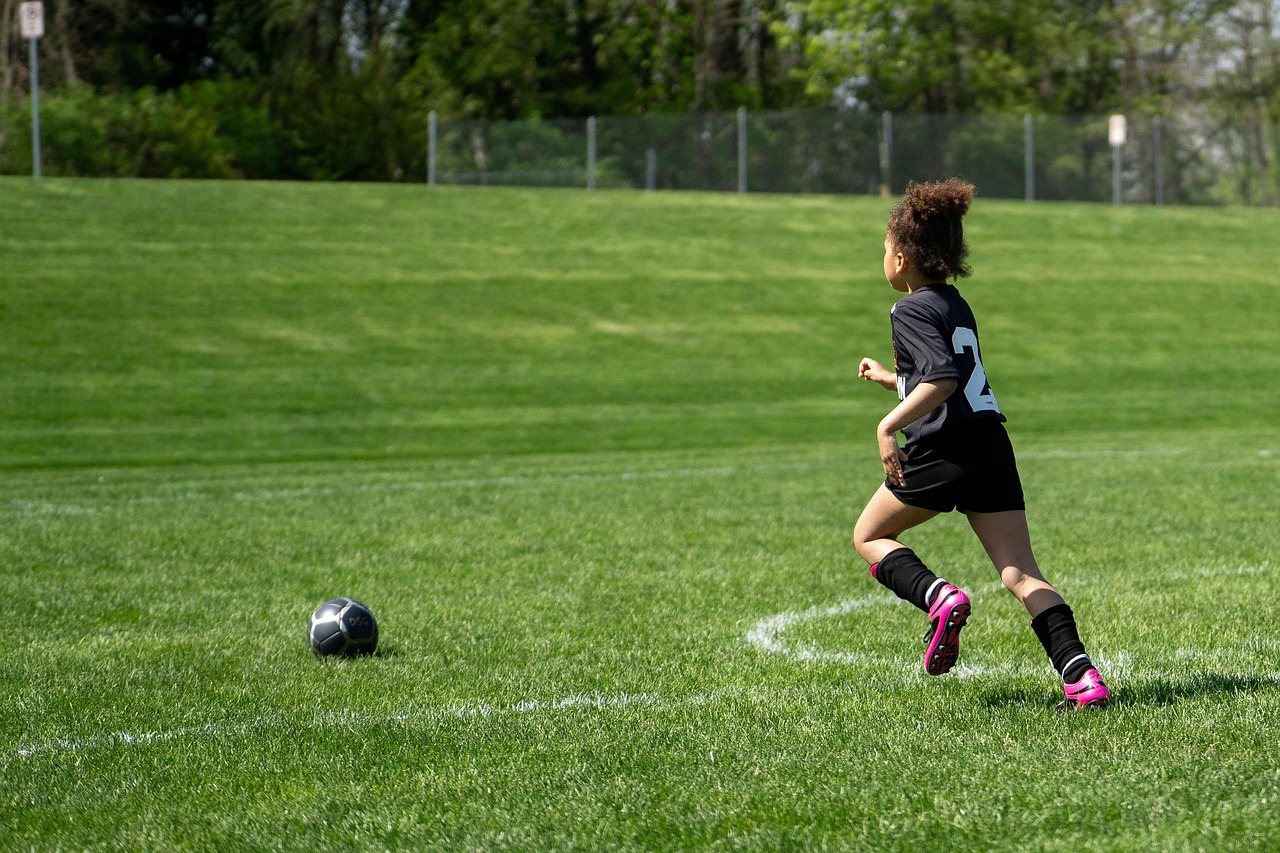
Children produce more body heat per pound, sweat less efficiently, and feel thirst later than adults. According to the American Academy of Pediatrics, prepubescent athletes can lose up to 1% of body weight in 30 minutes of summer practice — and that’s before they realize they’re thirsty. Coaches must be the timer.
The simplest rule: if a kid waits until they’re thirsty to drink, they’re already behind. Build hydration into the practice schedule the same way you build in conditioning.
Strategy 1-3: Pre-Practice Setup
The first three hydration strategies for youth athletes start before practice. Drink 16-20 ounces of water in the two hours before practice. Show up with a full water bottle minimum 24 ounces. Avoid sugary drinks within 60 minutes of activity — they slow stomach emptying and can cause cramps.
Pair good hydration with proper fueling from our sports nutrition for young athletes guide. Water without fuel can’t power a 90-minute practice, and fuel without water is wasted.
Strategy 4-5: During Practice
Schedule water breaks every 15-20 minutes in any practice over 60 minutes. Provide cold fluids — kids drink 30-50% more when water is chilled, per studies referenced by the CDC heat stress resources.
For practices longer than 60 minutes or in humidity above 70%, switch to a sports drink with 4-8% carbohydrate and 100-200mg sodium per serving. Plain water is enough for shorter sessions; carbs and electrolytes matter once practice approaches an hour or temperature climbs above 80°F.
Strategy 6-7: Recovery and Monitoring
Within 30 minutes of practice ending, kids should drink 16-24 ounces of fluid plus a snack with sodium (pretzels, chocolate milk, a peanut butter sandwich). Weigh athletes before and after practice on hot days — every pound lost equals about 16 ounces of fluid that needs replacing.
Coaches should also know the urine color trick: pale yellow means well-hydrated, dark yellow means a problem. Post a urine chart in the locker room — kids find it funny but it works. Hydration awareness is a learnable habit, just like the confidence work in our building confidence in young athletes guide.
Heat Illness Warning Signs Every Coach Must Know
Cramping, dizziness, headache, nausea, and stopped sweating in the heat are emergencies. Get the athlete to shade, remove gear, apply cold towels to the neck and armpits, and call for medical help if they don’t recover within minutes. Per NFHS heat illness prevention guidelines, the most dangerous practices are the second and third days of summer two-a-days when fluid debt has accumulated. Ramp intensity over a full week, never start hard.
Putting It All Together
Build a team hydration culture: coaches drink water during practice, water bottles stay on the field not the bench, and break time is non-negotiable. Track who’s struggling — kids who urinate dark yellow at halftime need a one-on-one conversation. With consistent hydration strategies for youth athletes, you’ll see better second halves, faster recovery between games, and far fewer heat incidents all summer long.
Frequently Asked Questions
How much water should a youth athlete drink each day?
A general baseline is half their body weight in ounces — so a 100-pound athlete needs about 50 ounces. Active days need 25-50% more, especially in heat.
Are hydration strategies for youth athletes different in winter sports?
Yes. Cold-weather athletes still sweat heavily under layers but don’t feel thirsty. Schedule the same regular water breaks, just with slightly warmer fluids.
Sports drink vs. water — which is better?
Water for any practice under 60 minutes. Sports drinks for longer sessions, hot weather, or back-to-back games where electrolytes need replacing.
Can kids drink too much water?
Yes, though it’s rare. Hyponatremia (dangerously low sodium) happens when athletes drink huge amounts of plain water without sodium replacement during long endurance events.
Is coconut water as good as a sports drink?
Coconut water has potassium but very little sodium, which is the electrolyte most lost in sweat. It’s a fine occasional choice but not as effective as a properly formulated sports drink for hard sessions.