
Between work, family, and everything else competing for your calendar, finding an hour to train most days just isn’t realistic for most adult athletes. The good news: you don’t need an hour. A well-structured 20-minute session, done consistently, can maintain and even build real strength, conditioning, and athletic capacity.
This guide breaks down exactly how to structure a 20-minute workout, which exercises give you the most return for your time, and the mistakes that quietly sabotage short sessions — so the time you do have actually counts.
Quick Answer
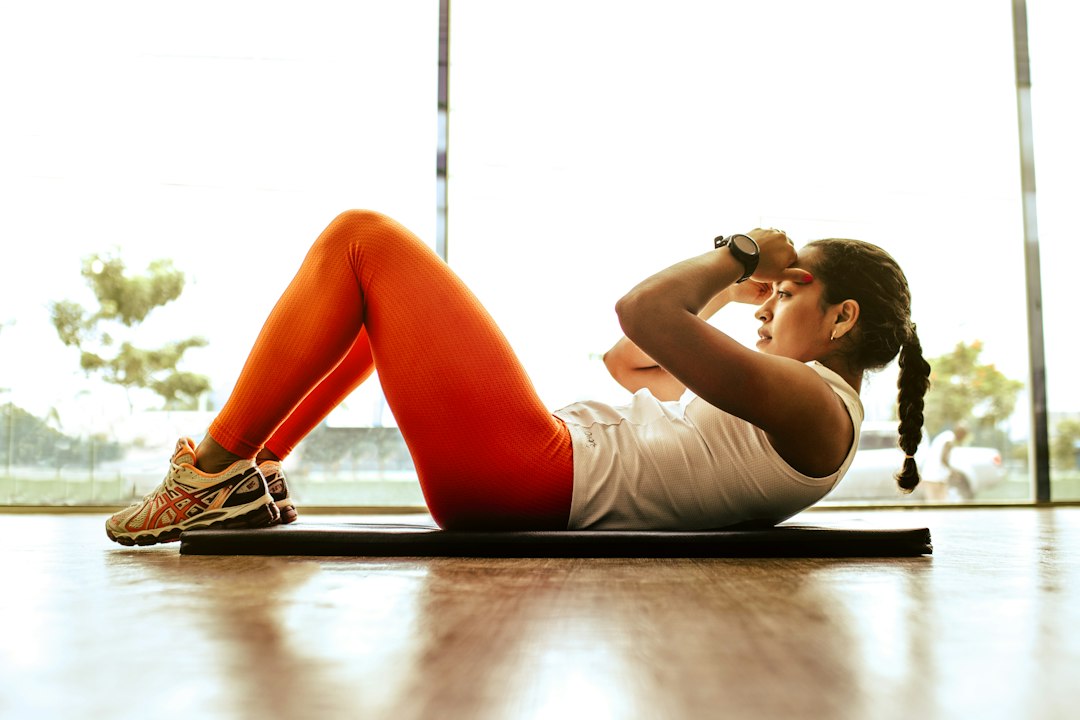
A 20-minute workout works when it’s built as a short warm-up, a dense 12-16 minute block of compound strength or interval-style exercises with minimal rest, and a quick cool-down. Done 3-5 times a week, this format can meet or support the activity levels recommended for adults while fitting into a packed schedule.
How to Structure a 20-Minute Session
Spend the first 2-3 minutes on a dynamic warm-up — leg swings, bodyweight squats, arm circles, and a few easy jumping jacks or jogging in place to raise your heart rate and prep your joints. Skipping this to ‘save time’ is the fastest way to a strained hamstring or stiff shoulder, and it costs you almost nothing.
The main block, roughly 12-16 minutes, is where the work happens. Pick 4-6 compound exercises that hit the whole body — something like squats, push-ups, rows or pull-ups, and a hinge movement like kettlebell swings or deadlifts — and move through them in a circuit with short rest periods (20-45 seconds) between exercises. Formats like EMOM (every minute on the minute), AMRAP (as many rounds as possible in a set window), or Tabata-style 20-seconds-on/10-seconds-off intervals all work well because they keep the clock honest and prevent the session from drifting long.
Close with 2-3 minutes of static stretching or slow breathing to bring your heart rate down and start recovery. This isn’t optional padding — it’s part of why short, frequent sessions hold up better over months than occasional marathon workouts.
Best Exercise Choices for Time-Crunched Athletes
Favor compound, multi-joint movements over isolation exercises — a goblet squat or a push-up works more muscle in less time than a bicep curl ever will. Pairing opposing movements as supersets (a push exercise with a pull exercise, or an upper-body move with a lower-body move) lets one muscle group recover while the other works, so you keep moving without wasting rest time.
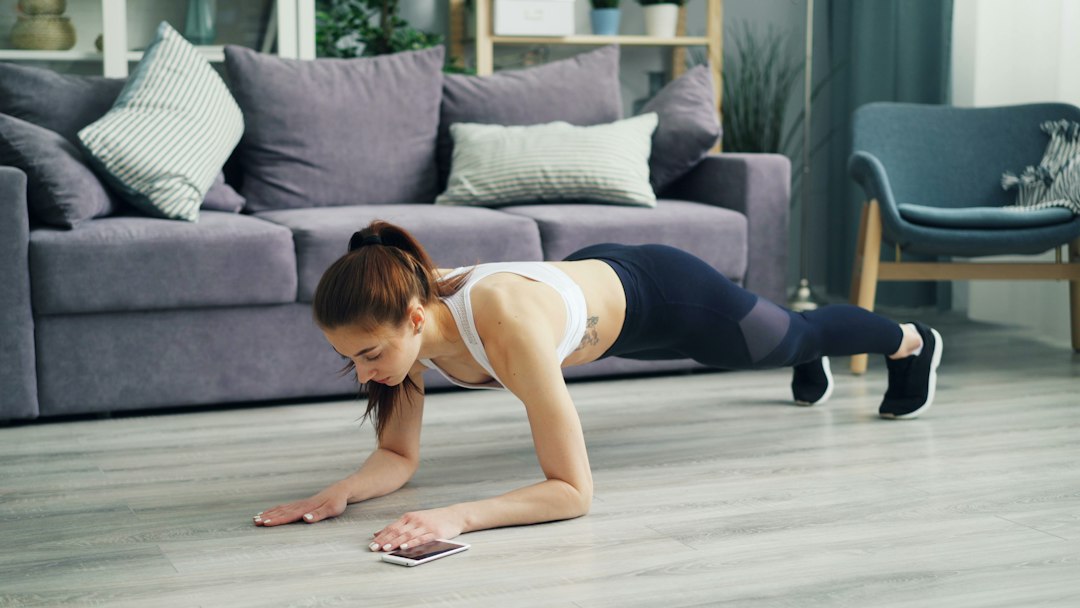
You don’t need a gym. Bodyweight circuits (squats, lunges, push-ups, planks, mountain climbers) or a single kettlebell/pair of dumbbells at home cover almost everything you need for a 20-minute session. The U.S. Centers for Disease Control and Prevention recommends adults get roughly 150 minutes of moderate activity or 75 minutes of vigorous activity per week, plus muscle-strengthening work at least two days a week — and a handful of focused 20-minute sessions stacks up toward that total faster than most people expect.
The intensity of short interval-based training also triggers what’s known as the afterburn effect (EPOC), where your metabolism stays elevated for a period after the workout ends as your body recovers. It’s a real physiological effect, though the size of the benefit varies by person and session — treat it as a nice bonus on top of the workout itself, not the main reason to train.
Tips / Common Mistakes
The biggest mistake is picking exercises you’re not comfortable performing under fatigue — complex barbell lifts or unfamiliar movements don’t belong in a fast-paced 20-minute circuit where form can slip. Stick to movements you’ve already got solid technique on, and save technical skill work for a day with more time.
Another common error is going too light because the session feels short. Twenty minutes of real effort — challenging weights, minimal rest, honest pacing — beats forty-five minutes of comfortable, half-effort training. On the flip side, don’t run high-intensity 20-minute sessions every single day; 3-5 times a week with at least one or two lower-intensity or rest days lets your body actually adapt and get stronger instead of just accumulating fatigue.
Finally, track something — rounds completed, weight used, or how a given circuit felt — even informally. Short workouts can feel repetitive, and a simple log is what shows you the progress that keeps you coming back.
Explore more: more training and performance tips.
20-minute workout FAQs
Can a 20-minute workout actually build strength and fitness?
Yes, especially if you’re consistent and push real intensity during the session. Compound movements performed with minimal rest build strength, muscular endurance, and cardiovascular conditioning — the limiting factor is effort and consistency, not just duration.
How many days a week should I do a 20-minute workout?
Most busy adult athletes do well with 3-5 sessions a week, mixing higher-intensity days with at least one lighter or rest day so the body can recover and adapt.
Do I need any equipment for a 20-minute workout?
No — bodyweight exercises like squats, push-ups, lunges, and planks can fill an entire effective session. A single kettlebell or a pair of dumbbells adds variety but isn’t required.
Is 20 minutes of HIIT enough for weight loss?
Short, intense sessions can support fat loss as part of an overall plan that includes reasonable nutrition and regular activity, but no single 20-minute workout is a standalone weight-loss solution — consistency over weeks and months is what drives results.
Level Up With SportsSteps
Track your athlete’s progress, connect with coaches and your team, and grow — get the SportsSteps app. Get the SportsSteps App.
Want training tips and sports news in your inbox? Subscribe to the free newsletter.
Photo by Jonathan Borba on Unsplash.