A concussion doesn’t always look dramatic. There’s rarely blood, and most kids never lose consciousness — they just seem a little off. That’s what makes youth sports concussions so easy to miss in the middle of a fast-moving game, and so important for parents to learn to recognize on their own.
This guide breaks down the observable signs and reported symptoms to watch for after any hit to the head or body, the danger signs that mean call 911, and the step-by-step process for getting a young athlete safely back to school and back to play.
Quick Answer
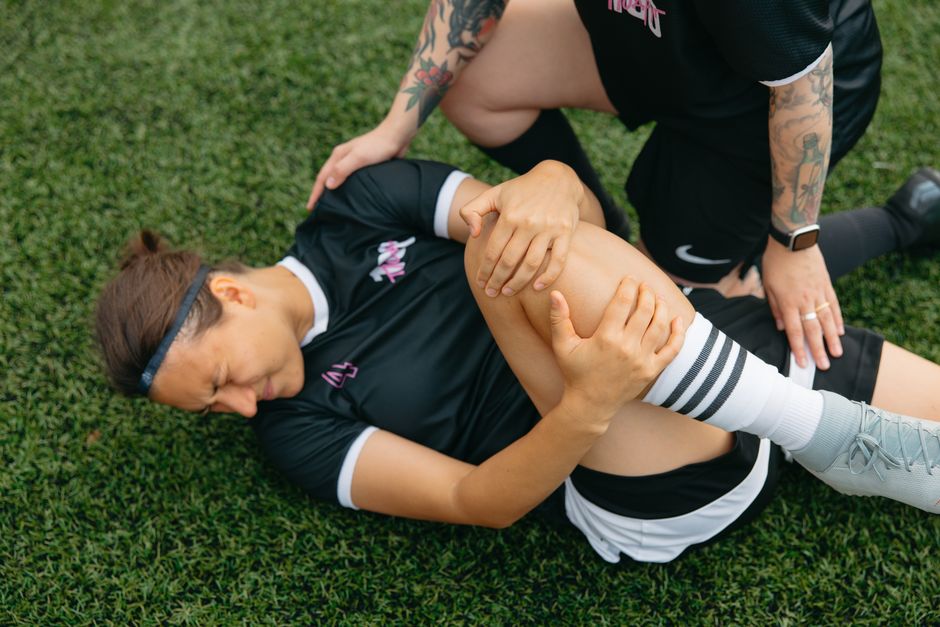
If your child takes a hit to the head or body and seems dazed, confused, unsteady, or just “not right,” sit them out of the game immediately and have them evaluated by a healthcare provider before they return to any sport that day — a concussion can happen without any loss of consciousness, so “they didn’t black out” is not a reason to let them keep playing.
Recognizing the Signs: What to Watch For After Any Hit
Some signs of a concussion are things you can see from the sideline: your child appears dazed or stunned, moves clumsily, answers questions slowly, forgets an instruction they were just given, can’t recall what happened right before or after the hit, briefly loses consciousness, or suddenly seems moody, irritable, or just different than normal.
Other symptoms only the child can report, so ask directly: headache or a feeling of pressure in the head, nausea or vomiting, dizziness or balance problems, blurry or double vision, sensitivity to light or noise, and feeling foggy, sluggish, or groggy. Symptoms don’t always show up right away — some appear hours later or even the next morning, so keep checking in that evening and the following day, especially if your child says they simply don’t feel right.
What to Do Right Away — and in the Days After
Remove your child from play the moment you suspect a concussion, with no exceptions for a big game or a close score. Keep them out of all sports participation for the rest of that day, even if symptoms seem to clear up quickly, because symptoms can worsen with continued activity.
Call 911 or go straight to the emergency department if you notice any of these danger signs: a seizure or convulsions, repeated vomiting, worsening headache that won’t go away, slurred speech, weakness or numbness, one pupil larger than the other, increasing confusion or agitation, not recognizing familiar people or places, or loss of consciousness with trouble staying awake. These point to a more serious brain injury that needs immediate medical attention.
For a suspected concussion without danger signs, get your child evaluated by a healthcare provider — a pediatrician, family doctor, or sports medicine specialist — as soon as possible. Only a healthcare provider should clear an athlete to begin working back toward play; parents and coaches shouldn’t make that call alone.
Recovery isn’t about total rest in a dark room. After a brief period of rest, most kids can gradually resume light daily activities, including light mental activity, as long as it doesn’t bring symptoms back. In fact, CDC’s return-to-play progression treats getting back to a full day of school and normal daily activities — homework, chores, socializing — symptom-free, as Step 1, before any structured exercise begins. Temporary accommodations like shorter days, extra breaks, or reduced screen time can help kids get there.
From that baseline, athletes work through the remaining five CDC return-to-play steps, each generally lasting at least 24 hours: Step 2, light aerobic exercise such as walking or an easy bike ride to raise the heart rate; Step 3, moderate activity that adds body and head movement, like moderate jogging or brief running; Step 4, heavier non-contact exercise, including sprinting, a regular weightlifting routine, and non-contact sport-specific drills; Step 5, return to practice with full contact if appropriate for the sport; and Step 6, return to competition. If symptoms return at any step, the athlete stops, drops back to the last symptom-free step after more rest, and checks in with their provider before trying again. Working through the full progression, starting from Step 1, can take anywhere from about a week to several weeks or longer, depending on the child.
Tips / Common Mistakes
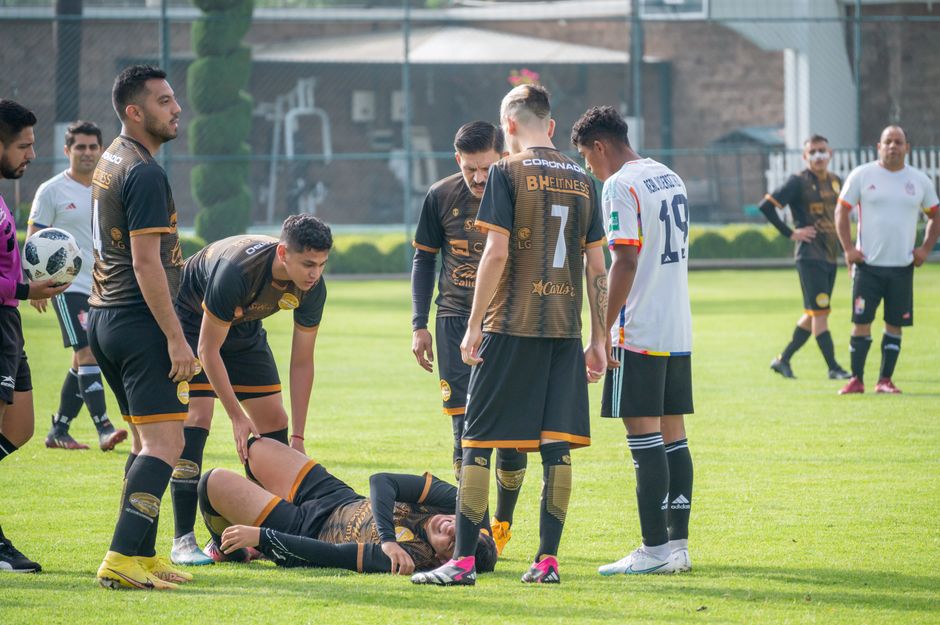
Don’t assume no blackout means no concussion — most concussions never involve loss of consciousness, so “they were talking to me fine right after” isn’t reassurance on its own.
Don’t let a child talk their way back into the game. Kids and teens often downplay symptoms because they don’t want to let the team down or miss a big moment, so the adult in the room has to make the sit-out call.
Don’t rely on a helmet as concussion protection. Helmets reduce the risk of skull fractures and more severe head injuries, but no helmet can prevent a concussion, so proper technique and enforced rules against head contact still matter.
Don’t rush the return-to-play steps to hit a tournament or season deadline. Returning too early — especially before symptoms have fully resolved — raises the risk of a repeat injury and a longer recovery the second time around.
Do keep a simple written log of symptoms and share it with the coach, school, and healthcare provider so everyone is coordinating off the same information as your child moves through recovery.
Explore more: More youth sports safety guides.
Youth Sports Concussion FAQs
Can a concussion happen without losing consciousness?
Yes — most concussions do not involve any loss of consciousness. Watch for dazed behavior, confusion, and reported symptoms like headache or dizziness rather than waiting for a blackout.
How long does it take a child to recover from a concussion?
Many kids feel better within a couple of weeks, but recovery time varies by child. Working through the full return-to-school and return-to-play process can take anywhere from about a week to several weeks or longer, and should always be paced by a healthcare provider, not a calendar.
When is it safe for my child to return to sports after a concussion?
Only after a healthcare provider clears them and they’ve completed CDC’s gradual six-step return-to-play progression — starting with a full, symptom-free return to school and daily activities, then working through light aerobic exercise, moderate activity, heavier non-contact exercise, full-contact practice, and finally competition — with no return of symptoms at any stage. Returning to full contact or competition before that is complete increases the risk of another injury.
Level Up With SportsSteps
Track your athlete’s progress, connect with coaches and your team, and grow — get the SportsSteps app. Get the SportsSteps App.
Photo by Boys in Bristol Photography on Pexels.