
Passing is the skill that decides most youth volleyball rallies before the ball even reaches the setter. A player who can get in front of the ball, use a wide base, and keep the platform steady will make every other skill on the court easier to run.
This guide breaks down the footwork and platform basics young players need, then walks through drills coaches and parents can run with minimal equipment to build serve-receive confidence one rep at a time.
Quick Answer
The fastest way to improve serve-receive for beginners is to drill the basics in isolation first — moving the feet to get in line with the ball, forming a flat platform, and staying low with a wide base — then add reps with a partner tossing or serving the ball, gradually increasing difficulty as control improves.
Passing Fundamentals Young Players Need First
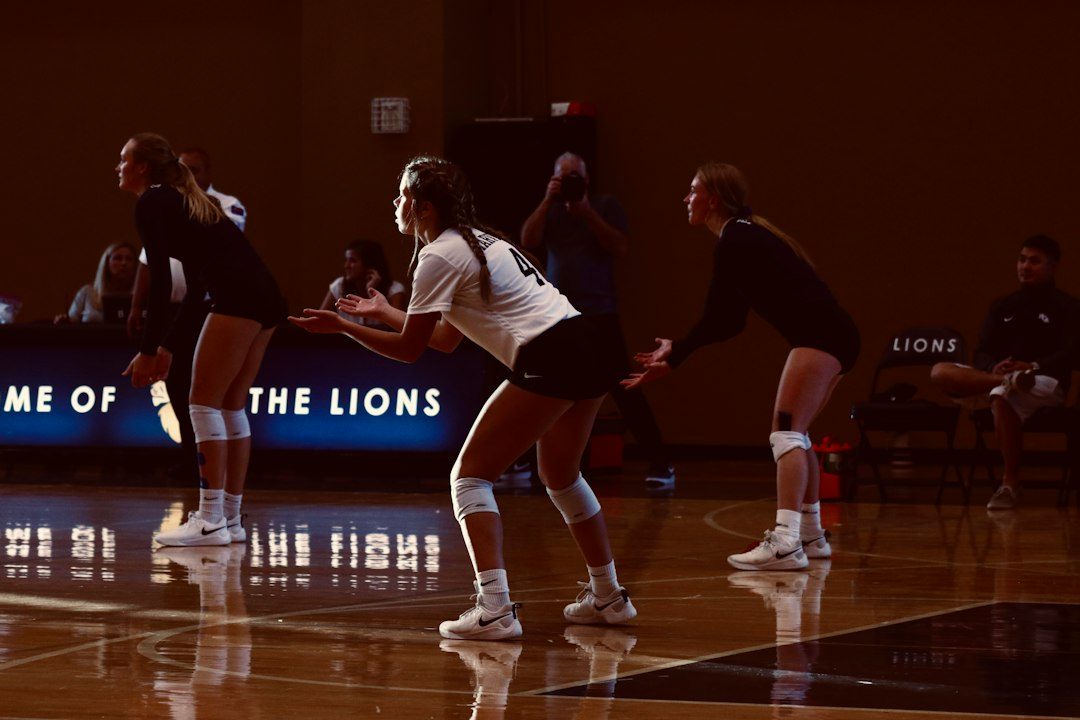
Before worrying about serve-receive patterns, beginners need to own a few basic habits: a wide, athletic base with knees bent and weight on the balls of the feet; a flat platform made by joining the hands and arms together; and feet that move first so the body is already in position before the ball arrives rather than reaching for it at the last second.
Coaches often start players with an easier, more forgiving ball — a beach ball, tennis ball, or lightweight youth volleyball — before moving to a regulation ball. This lets young athletes focus on form and footwork without being intimidated by speed or sting, and it’s an easy way to shorten the learning curve in the first few practices.
It also helps to slow everything down early: toss the ball higher and softer so players have time to get their feet moving and set their platform before contact. Speed and serve difficulty should only increase once the player is consistently getting into position on their own.
Free AI coach + drill plans for your team. Get free drill plans →
Drills to Build Serve-Receive Skills
Partner toss-and-pass: One player tosses the ball underhand to a partner, who passes it back. This isolates platform angle and contact point without the added challenge of reading a real serve, and it’s the best starting point for true beginners.
Pass-it-up, pass-it-over: Once players can consistently pass a tossed ball, move to a simple 2v2 game near the net where the only goal is to pass the ball up and over — no attacking, no power. Keeping the rally close to the net and removing the temptation to hit hard keeps the focus on clean mechanics.
Rotating toss drill: Two tossers stand on either side of a passer, alternating tosses. After each pass, the passer pivots to face the other tosser. This builds the habit of resetting position and anticipating the next ball, which mirrors reading a server and adjusting before contact.
Low-catch footwork drill: Have players toss the ball high, let it bounce once, then catch it in a low, wide stance just before it would bounce a second time. This drills the “get low and move the feet” habit without the pressure of also controlling a real pass.
Progression to real serves: Once a player is reliably passing tossed balls, introduce easy, controlled serves from a shortened distance. Gradually move the server back and increase serve speed only as the passer’s accuracy holds up.
Tips and Common Mistakes
Prioritize repetition over variety. Young players improve through lots of simple, repeated touches rather than a long list of different drills run once each — a handful of drills run consistently will beat a new drill every practice.
Watch for players reaching with their arms instead of moving their feet; this is the most common beginner mistake and usually the root cause of shanked or mis-angled passes.
Avoid the urge to add power or jump-serve-style tosses too early. Mechanics break down fastest when players start thinking about hitting the ball hard instead of controlling it.
Keep platforms simple: arms together, shoulders square to the target, and contact on the forearms rather than the hands. Correcting platform angle in slow motion, before adding speed, saves time later.
Explore more: More training and performance drills.
Volleyball passing drills for beginners FAQs
What is the best first drill for a beginner volleyball passer?
A simple partner toss-and-pass drill, using an easy underhand toss, is the best starting point. It isolates footwork and platform angle without the added challenge of reading a live serve.
What ball should young beginners practice with?
A lightweight or softer ball — such as a beach ball, tennis ball, or youth-specific volleyball — makes it easier for beginners to focus on form before moving up to a regulation ball.
How can young players get better at serve-receive specifically?
Start with easy, slow tosses to build footwork and platform habits, then progress to short, controlled serves before gradually increasing serve distance and speed as accuracy holds up.
Level Up With SportsSteps
Free AI coach + drill plans for your team
Build practice plans, share drills with players and parents, and track how your team improves.
Get free drill plansFor families, athletes, coaches & clubs
Want training tips and sports news in your inbox? Subscribe to the free newsletter.
Photo by Vince Fleming on Unsplash.