
Your child’s team is down by one goal, time is running out, and you can’t help yourself—’Move up! Shoot! Don’t dribble so much!’ It’s one of the most natural impulses a sports parent can have. You want your kid to succeed, and you’re right there, watching every mistake unfold in real time. But that running commentary from the sideline, however well-intentioned, is almost certainly doing more harm than good.
This guide breaks down exactly why sideline coaching backfires, what it feels like from your child’s side of the field, and the practical steps you can take to be the supportive presence your young athlete actually needs—not the extra coach they never asked for.
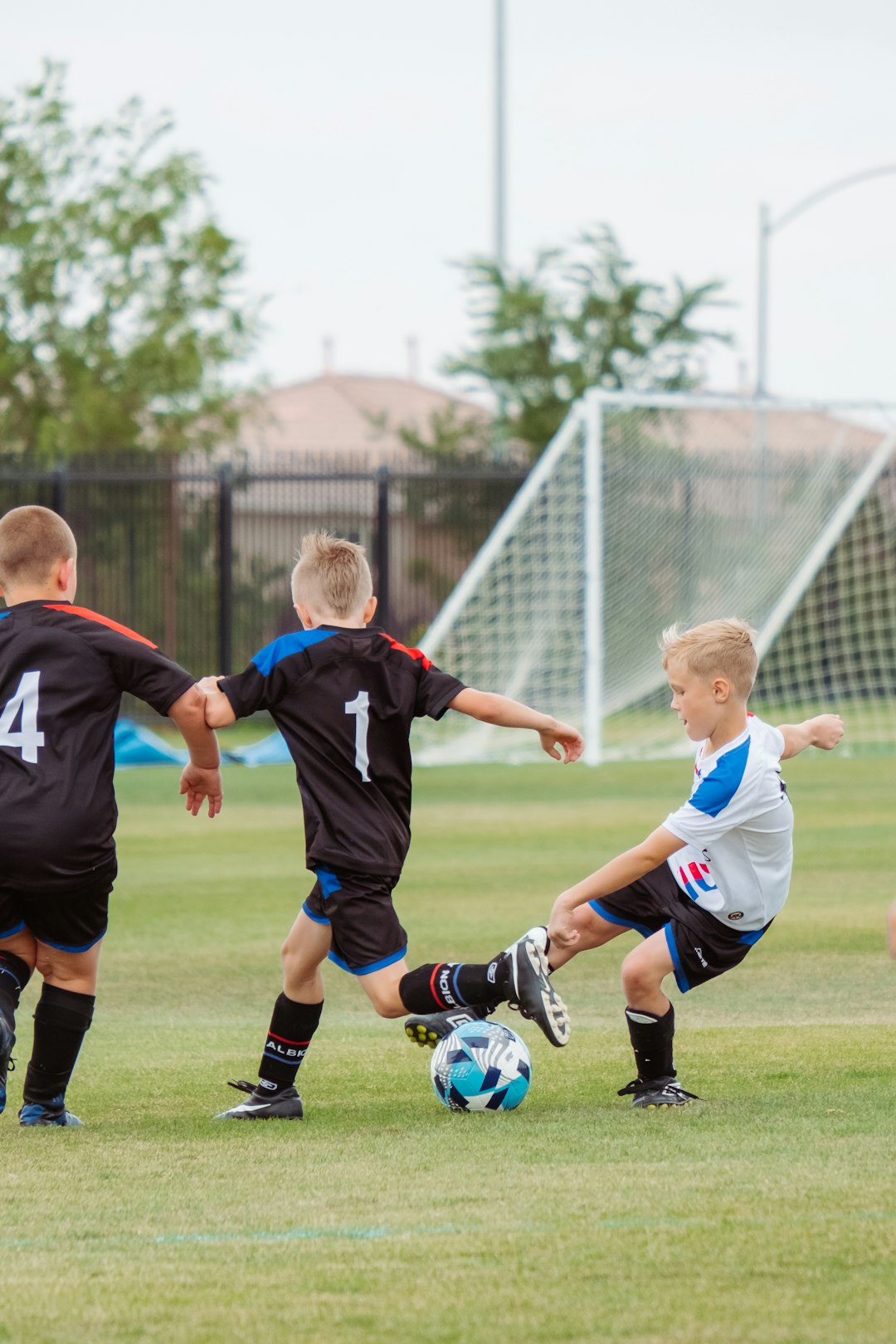
Quick Answer
Sideline coaching—shouting instructions, corrections, or tactical advice during a game—confuses young athletes, undermines the head coach’s authority, and takes the joy out of sport for children. The most effective thing a parent can do during a game is cheer positively, stay quiet during play, and save any feedback for a calm conversation well after the final whistle.
Why Sideline Coaching Backfires
The most immediate problem with coaching from the stands is the conflict it creates in your child’s head. The team coach has spent hours building a strategy, assigning roles, and communicating a game plan. When you shout something different from the sideline—even something technically correct—your child now has to choose which adult to listen to mid-play. That split-second hesitation is exactly when mistakes happen.
Beyond the tactical confusion, sideline coaching robs children of one of the most valuable parts of playing sports: making their own decisions under pressure. When a parent calls out ‘Pass it now!’ or ‘Move to the left!’, the child never gets the chance to read the game, solve problems independently, and develop real athletic instincts. Those skills only come from practice and from actually playing—not from following a voice in the crowd.
There’s also a confidence and embarrassment factor that’s easy for parents to underestimate. Many young athletes report that parental commentary—even when encouraging—makes them feel watched and judged rather than supported. Children are acutely aware of their peers and opponents around them, and being coached by a parent in public can feel humiliating even when the words themselves aren’t harsh.
The wider damage is real too. A national survey of 3,470 youth coaches across 66 sports, conducted by the U.S. Center for SafeSport in late 2025, identified managing difficult parents as one of the leading reasons coaches consider leaving the profession. Coaches in the survey described parents who created tension, instilled distrust, and behaved worse than the children themselves. When parents become a persistent source of friction, the adults willing to volunteer their time—coaches and referees alike—burn out and leave, and the whole system suffers.
What to Do Instead: The Parent Spectator Shift
The good news is that replacing sideline coaching with genuine support isn’t complicated—it just requires a deliberate mindset shift before you arrive at the field. Think of your role not as an assistant coach but as your child’s biggest fan. Fans cheer effort and energy; they don’t call plays.
During the game, limit your verbal output to positive, effort-based cheers: ‘Great hustle!’, ‘Keep going!’, ‘You’ve got this!’ Avoid outcome-focused comments (‘You should have shot!’) and anything resembling instruction (‘Get tighter on your man!’). Clap, cheer by name, and then let the play happen. If you feel the urge to shout something tactical, take a breath and ask yourself: is this for my child’s benefit, or mine?
After the game, follow a simple rule used by many sports psychologists and coaches: wait at least twenty minutes before talking about performance, and then let your child lead the conversation. A simple ‘Did you have fun?’ followed by genuine listening is more valuable than any debrief. If your child wants to talk through what went wrong, let them—then support the reflection rather than driving it. Save any concerns for a private, calm conversation with the coach at a time well removed from the emotion of the game.
It also helps to understand what your child actually wants from their sport. Research consistently shows that children prioritize fun, friendship, and skill development over winning—often in that order. When you ask your child what they enjoy most about their sport and genuinely build your support around those answers, you shift from being a performance critic to being a true ally.
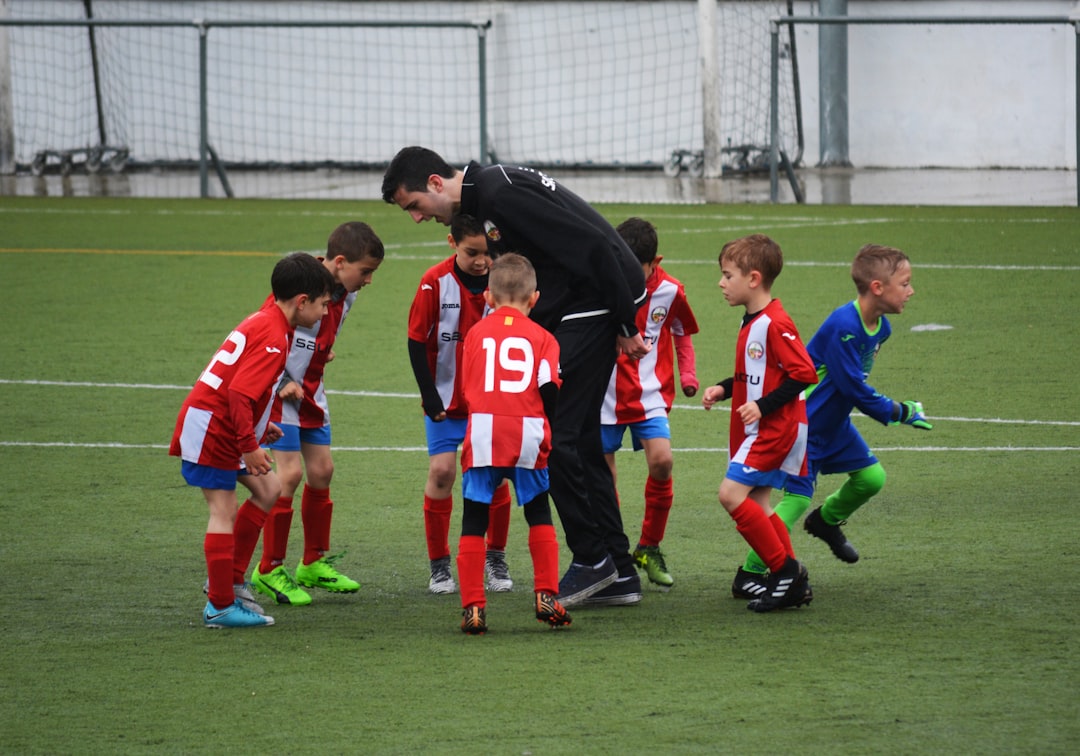
Tips to Break the Sideline Coaching Habit
Stand somewhere with a different view. Many parents find that moving further from the main crowd or changing their vantage point makes it easier to watch without the urge to call out instructions. Distance creates a natural buffer.
Find a sideline buddy. Tell a trusted fellow parent what you’re working on and ask them to give you a gentle nudge if you start coaching. Having an accountability partner makes the habit change feel lighter and easier to sustain.
Don’t critique the coach publicly. Even if you disagree with a substitution or a tactical decision, voicing it loudly from the stands teaches your child to disrespect authority and make excuses. If you have a genuine concern, request a quiet conversation with the coach at a separate time—never at game time, and never in front of the team.
Watch for the vicarious living trap. Many parents who sideline-coach are—without realizing it—playing out their own athletic ambitions through their child. Ask yourself honestly whether your sideline behavior is driven by your child’s needs or your own emotions. There’s no shame in recognizing it; but the first step to changing is seeing it clearly.
Model the behavior you want to see. Children absorb how you treat coaches, referees, and opponents. Showing grace, respect, and calm enjoyment—win or lose—is one of the most powerful life lessons sport can deliver, and it only works if you model it from the sideline.
Explore more: More parent guides for youth sports.
Sideline coaching in youth sports FAQs
Is it ever okay to shout instructions to my child during a game?
In general, no—especially anything tactical or corrective. Brief, positive encouragement (‘Go for it!’, ‘You’ve got this!’) is fine. But specific instructions, corrections, or anything that contradicts the coach’s strategy creates confusion and undermines your child’s ability to think independently on the field. Save specific feedback for a calm conversation at home.
What if the coach is giving bad advice or I see something important?
Request a private conversation with the coach at a neutral time—not during or immediately after a game when emotions are high. Approach it as a question rather than a criticism: ‘I noticed X—can you help me understand the thinking there?’ Coaches who feel respected are far more receptive to parent input than those who feel publicly second-guessed.
My child actually asks me to coach them from the stands. Is that okay?
It might feel reassuring to your child in the moment, but it’s worth examining whether they’re asking because it genuinely helps or because they’re anxious and seeking a security blanket. Over time, children who rely on parental direction during games can struggle to develop the in-game confidence that comes from trusting their own instincts. Encouragement is always welcome; instruction during a game generally isn’t, even when invited.
Level Up With SportsSteps
Track your athlete’s progress, connect with coaches and your team, and grow — get the SportsSteps app. Get the SportsSteps App.
Photo by Quilia on Unsplash.