
Every youth sports parent eventually faces the same moment: something happens at practice or in a game, and you’re not sure whether to say something, and if you do, how to say it without making things worse. Approach it wrong and you can damage the coach relationship, embarrass your kid, or get labeled ‘that parent.’ Approach it right and you model exactly the kind of respectful problem-solving you want your child to learn.
This guide walks through the timing, tone, and talking points that actually work — from routine questions about playing time to more serious concerns about safety or treatment — plus the mistakes that turn a reasonable conversation into a conflict.
Quick Answer
Wait at least 24 hours after a game or practice before raising a concern, request a private conversation (not a sideline ambush), lead with a question rather than an accusation, and stick to topics that are actually yours to discuss — your own child’s development, effort, and well-being, not playing time comparisons or team strategy.
Before You Say Anything: Get the Timing and Setting Right
The single most useful habit in youth sports is the 24-hour rule: if something upsets you during or right after a game, don’t approach the coach in that moment. Emotions run hot right after competition — for you, your kid, and the coach — and confrontations in the parking lot or by the dugout rarely go well. Sleep on it. A lot of what feels urgent in the heat of the moment looks smaller, or resolves itself, the next day.
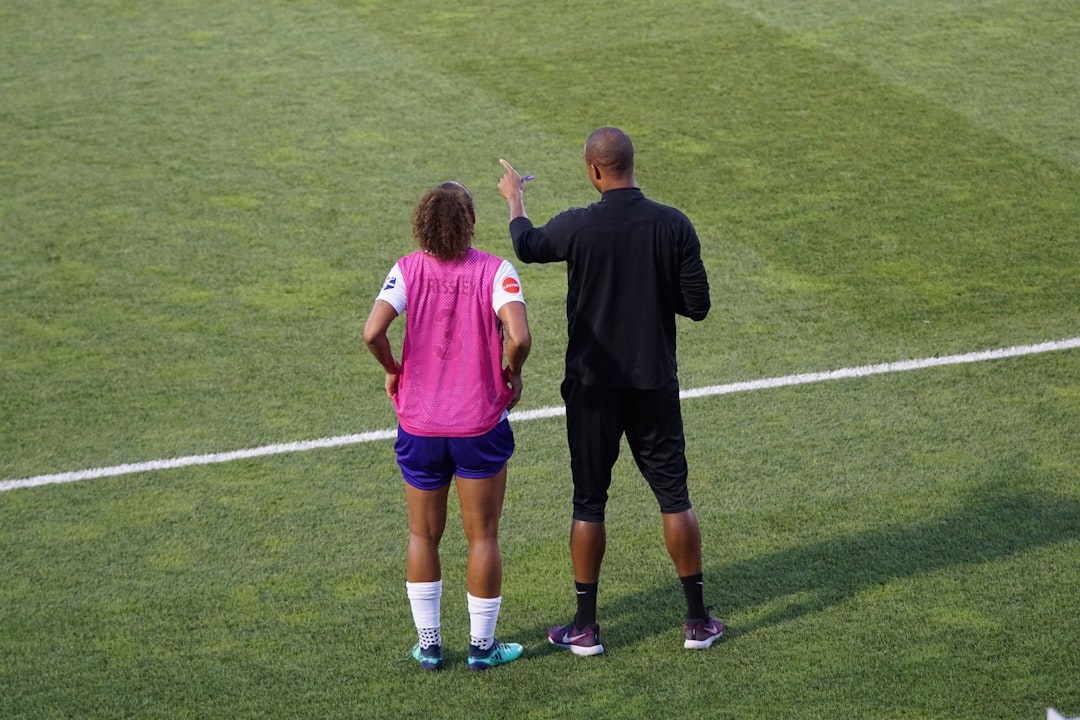
When you do decide to talk, ask for a specific time to connect — a phone call, a quick meeting before or after practice, or an email — rather than cornering the coach in front of other parents or players. Most coaches are volunteers or are managing a dozen other things during practice; a scheduled few minutes gets you a much better conversation than a hallway ambush.
If your league or club holds a preseason parent meeting, go. Coaches who run these meetings well use them to lay out their philosophy on playing time, communication expectations, and how they’d like parents to reach them. That meeting is also your best low-stakes opportunity to ask questions before anything has gone wrong.
What to Say (and How to Say It)
Start from curiosity, not accusation. Instead of ‘Why isn’t my kid playing more?’ try ‘Can you help me understand what my child could work on to get more playing time?’ The second version invites a real answer and signals you’re on the coach’s side, not against them.
Use the sandwich approach for anything remotely critical: open with something genuine and positive (about the team, the coach’s effort, or your kid’s experience), state your concern clearly and briefly, then close on a positive or forward-looking note. Coaches — like anyone — are far more receptive when they don’t feel attacked from the first sentence.
Keep the focus on your own child. Coaches can’t discuss other players’ playing time, skill, or discipline with you, and asking them to puts them in an unfair spot. Good questions center on your kid: What are their strengths right now? What’s one thing they could improve? Is there anything happening on the team that’s affecting them?
For sensitive or serious issues — safety, bullying, a coach’s conduct, or anything involving another child — skip the informal chat and go straight to a private, scheduled conversation, and loop in a league administrator if it isn’t resolved. These aren’t 24-hour-rule situations; address safety concerns promptly rather than waiting.
Tips and Common Mistakes
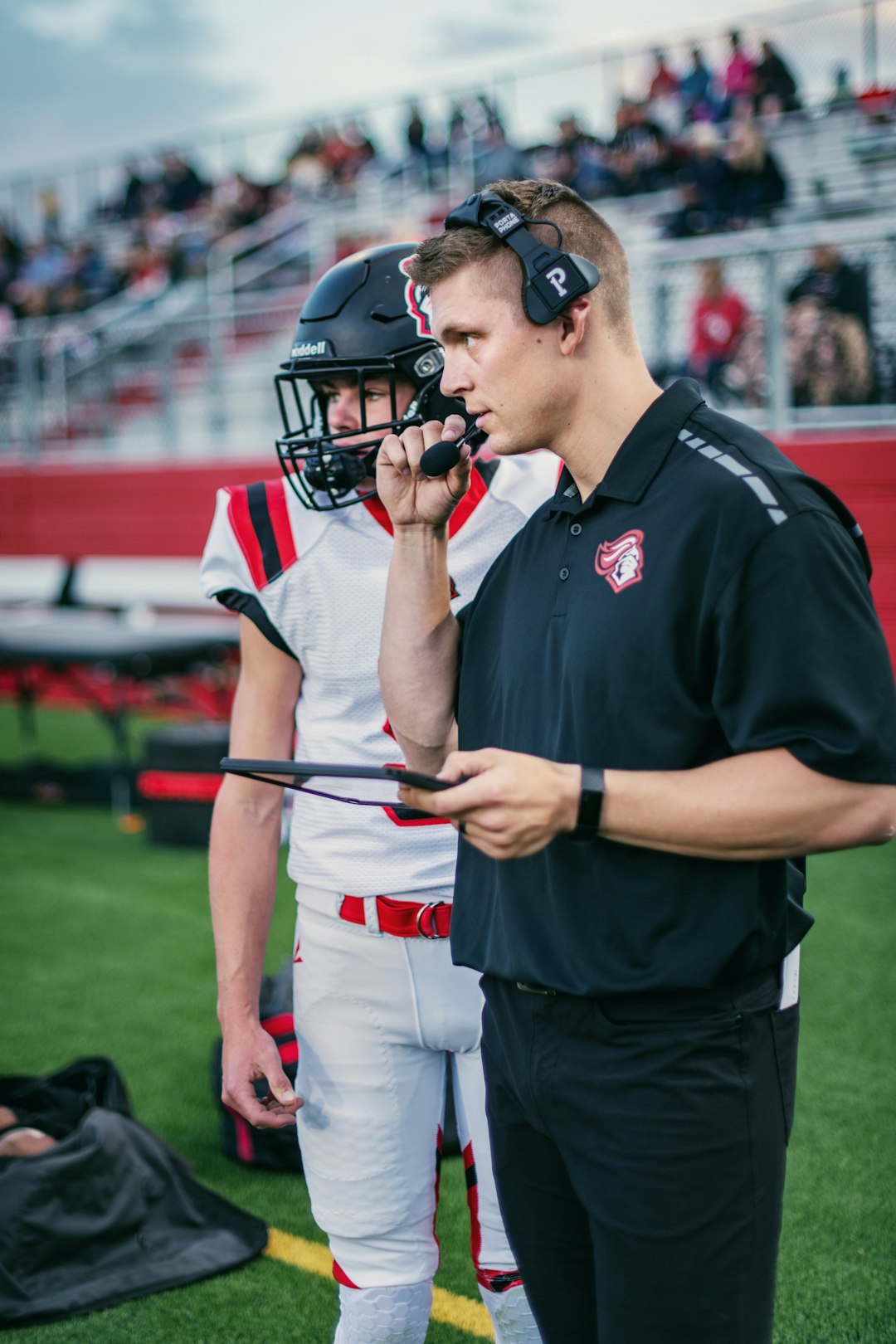
Do build the relationship before you need it. A quick ‘thanks for coaching’ or asking how the coach’s own week is going, done consistently over a season, makes the one hard conversation you eventually need to have go much more smoothly.
Do put non-urgent questions in writing. A short, specific email (‘Quick question about practice attendance policy’) is easier for a busy coach to respond to thoughtfully than an in-person ambush, and it gives you both a record.
Don’t discuss playing time, positions, or strategy in the moment — during a game, right after a loss, or in front of your child or other parents. Don’t compare your kid to teammates; it’s not the coach’s place to answer, and it puts your child in the middle. Don’t vent about the coach to your child, even if you’re frustrated — kids pick up on it and it undermines their relationship with their coach and the team.
Don’t skip the chain of command on minor issues. Going straight to a league director over something the coach could have easily addressed directly tends to escalate small problems into bigger ones.
Explore more: More youth sports parenting tips.
Talking to your child’s coach FAQs
How long should I wait before talking to a coach after a bad game?
At least 24 hours. This gives everyone — you, your child, and the coach — time to cool off, and lets you approach the conversation calmly instead of reactively.
Is it OK to ask a coach why my child isn’t getting more playing time?
Yes, if you ask it constructively and privately — for example, asking what your child could improve rather than demanding more minutes. Avoid raising it in the moment during or right after a game.
What topics should I avoid bringing up with my child’s coach?
Avoid comparing your child to teammates, questioning specific strategy or lineup decisions, or criticizing other kids on the team. Keep the conversation focused on your own child’s development and experience.
What should I do if my concern is about safety or a coach’s behavior, not playing time?
Treat it differently — request a private conversation promptly rather than waiting, document what happened, and involve a league or club administrator if the issue isn’t resolved directly with the coach.
Level Up With SportsSteps
Track your athlete’s progress, connect with coaches and your team, and grow — get the SportsSteps app. Get the SportsSteps App.
Want youth sports news in your inbox? Subscribe to the free newsletter.
Photo by Jeffrey F Lin on Unsplash.