
Open water swimming feels nothing like laps in a chlorinated pool. There are no walls to push off, no black line to follow, and the water temperature can shift your breathing the second you step in. If you’re moving from the pool to a lake, river, or the sea for the first time, a few small habits make the difference between a swim you enjoy and one that scares you off for good.
This guide covers what actually matters for a first open water session: how to handle cold water safely, the gear worth buying, how to sight a straight line without a lane rope, and the mistakes that trip up almost every newcomer.
Quick Answer
Start in water you can stand up in, wear a brightly colored swim cap and a tow float, ease in slowly rather than diving to avoid cold water shock, and practice sighting (lifting your eyes forward every few strokes) before swimming any real distance. Always swim at a supervised or well-known spot, ideally with a buddy.
Getting In Safely and Handling Cold Water
Never jump or dive straight into open water, even on a hot day. Cold water shock is the sudden gasp reflex and rapid breathing that cold water triggers in the first minute of immersion, and it’s a leading cause of open water drownings, even among strong swimmers. Instead, wade in gradually, splash water on your neck, chest, and face, and give your body a minute or two to adjust before you put your face in and start swimming.
If you do feel a shock response — gasping, tightness in the chest, panic — fight the urge to swim hard. Roll onto your back, tilt your head back so your ears are in the water, and float while you bring your breathing back under control. Only start swimming once it feels normal again.
Water below about 60°F (15°C) is genuinely cold and worth respecting even if you swim regularly in a pool. Many beginners find a wetsuit useful anytime water dips below the high 60s°F, since it adds warmth and a bit of extra buoyancy that helps you relax. As water temperature drops further, thicker wetsuits or shorter swim times become the norm — check with a local swim group or triathlon club for what’s typical at your specific venue.
Gear, Sighting, and Building Confidence
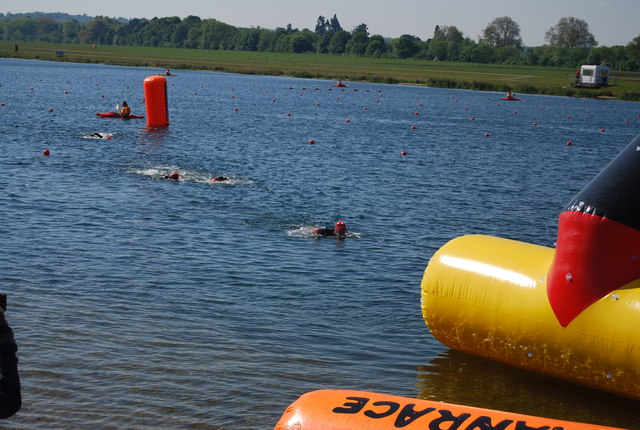
Three pieces of gear matter most for a first swim: a brightly colored swim cap (so you’re visible to boats and other swimmers), goggles suited to open water light conditions (tinted or mirrored lenses help in bright sun), and a tow float — an inflatable buoy that straps around your waist and trails behind you. It doubles as a rest point if you get tired and makes you far more visible to anyone watching from shore.
Sighting replaces the pool’s black line. Every four to six strokes, lift your eyes just above the surface for a split second — without lifting your whole head — to check you’re heading toward your landmark, whether that’s a buoy, a point on shore, or a building in the distance. Practice this in a pool first so it becomes automatic before you’re doing it in choppy water.
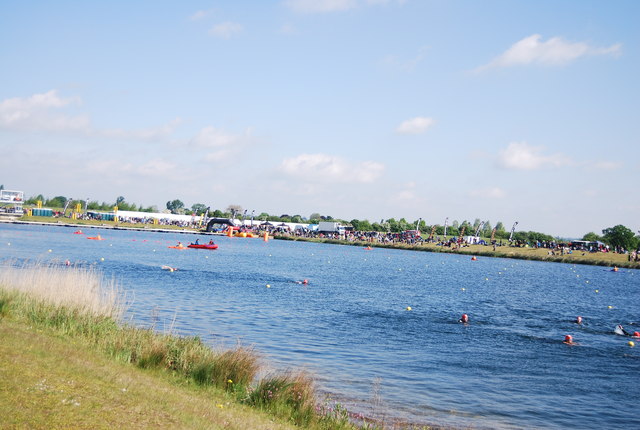
Start small. Your first few open water sessions should be short swims parallel to shore, in water shallow enough to stand up in, ideally at a lifeguarded or well-known swim spot with other people around. Build distance and time gradually as your comfort with the sighting, the cold, and the lack of walls increases.
Tips and Common Mistakes
Don’t swim alone, especially early on — a buddy or a supervised group swim means someone notices if something goes wrong. Avoid swimming right after a big meal or alcohol, and check local conditions (currents, tides, recent water quality advisories) before getting in, since open water isn’t monitored the way a pool is.
A common beginner mistake is treating an open water swim like a pool swim with your head buried the whole time — you’ll drift off course fast without regular sighting. Another is overdressing or underdressing for the water temperature; if in doubt, borrow or rent a wetsuit for your first few swims rather than guessing. Finally, don’t skip the warm-up: a slow, easy first few minutes to get your heart rate and breathing settled will make the rest of the swim far more comfortable.
Explore more: More swimming guides and tips.
Open water swimming for beginners FAQs
Do I need a wetsuit for open water swimming?
Not always — it depends on water temperature and personal cold tolerance. Many swimmers find a wetsuit helpful once water drops into the mid-to-high 60s°F or below, since it adds warmth and buoyancy. In warmer water, many swimmers go without one.
What is cold water shock and how do I avoid it?
It’s the body’s involuntary gasping and rapid breathing response to sudden cold immersion. Avoid it by entering the water slowly and gradually rather than jumping or diving in, and by acclimatizing your face and neck first.
What safety gear should a beginner bring to an open water swim?
A brightly colored swim cap, open-water-appropriate goggles, and a tow float are the essentials. A waterproof pouch for a phone is also worth carrying in case you need to call for help.
How do I swim in a straight line without a lane line?
Use sighting: every few strokes, lift your eyes just above the water’s surface briefly to check your position against a landmark, then put your face back down and keep swimming.
Level Up With SportsSteps
Track your athlete’s progress, connect with coaches and your team, and grow — get the SportsSteps app. Get the SportsSteps App.
Photo: N Chadwick / CC BY-SA 2.0, via Wikimedia Commons.