Every strong lacrosse player, from first-year youth athletes to varsity starters, built their stick skills the same way: with hundreds of low-pressure reps against a wall, not just during practice. The good news for beginners is that the highest-value work doesn’t require a field, a coach, or even another player.
Below are five at-home drills that target the fundamentals youth players need first — catching, throwing, cradling, and quick release. Do them consistently and a young player will show up to their next practice noticeably more confident with the ball in their stick.
Quick Answer
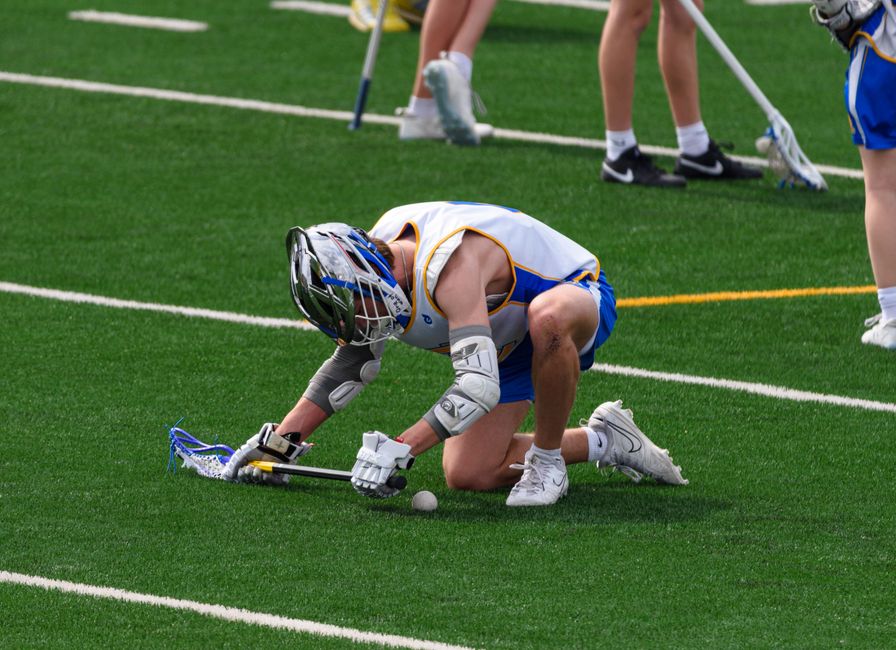
The five essential at-home lacrosse stick drills for beginners are: wall ball (basic catch-and-throw), off-hand wall ball, quick stick (no-cradle catch and release), cross-hand catching, and stationary cradling. All you need is a solid wall, a lacrosse ball, and 15-20 minutes a few times a week.
The 5 At-Home Stick Skill Drills
1. Basic Wall Ball. Stand a comfortable distance from a brick or concrete wall (many coaches suggest starting closer, around 5-6 feet, and moving back as accuracy improves) and pass so the ball rebounds back to you. Step toward the wall on the throw, catch with soft hands, and keep the stick head up the whole time. This is the foundation every other drill builds on, so form matters more than speed at first.
2. Off-Hand Wall Ball. Repeat the exact same basic wall ball motion, but throw and catch only with the non-dominant hand. Youth players tend to avoid their weak side because it feels awkward — that’s exactly why this drill matters. A player who can only handle the ball on one side is easy for a defender to shut down.
3. Quick Stick. Stand a bit closer to the wall and catch-and-release the ball in a single fluid motion, without cradling in between. This trains the hands to react fast and mirrors game situations like feeding a teammate in tight space or finishing a shot on the doorstep.
4. Cross-Hand Catching. Throw right-handed and catch left-handed, then throw left-handed and catch right-handed, alternating each rep. This forces quick footwork and body positioning to get the stick to the right spot, which is exactly what happens when a real pass doesn’t arrive in a perfect spot.
5. Stationary Cradling. Hold the stick with a relaxed grip — top hand near the head, bottom hand at the butt end — and rotate the stick back and forth using the wrists and forearms, not the whole arm, keeping the pocket tilted slightly upward so the ball stays secure. Once it feels smooth standing still, add slow walking and then jogging while cradling.
Building a Simple At-Home Routine
For beginners, structure beats duration. A focused 15-20 minute session, done a few times a week, builds skill faster than one long, unfocused hour on the weekend. A simple way to organize it: warm up with 5 minutes of basic wall ball, spend 5 minutes on off-hand work, 5 minutes alternating quick stick and cross-hand catching, and finish with a few minutes of walking or jogging cradling drills.
Track progress with a simple goal rather than a stopwatch — for example, working up to a set number of consecutive catches without a drop, and starting the count over if the ball hits the ground. That built-in accountability keeps young players focused instead of just going through the motions.
Tips / Common Mistakes
Don’t skip the off-hand work. It’s the drill most beginners avoid because it’s uncomfortable, which is precisely why it creates the biggest advantage over other new players.
Watch for a death grip. Squeezing the stick too tightly stiffens the wrists and ruins cradling motion and catch softness — hands should stay relaxed, almost loose.
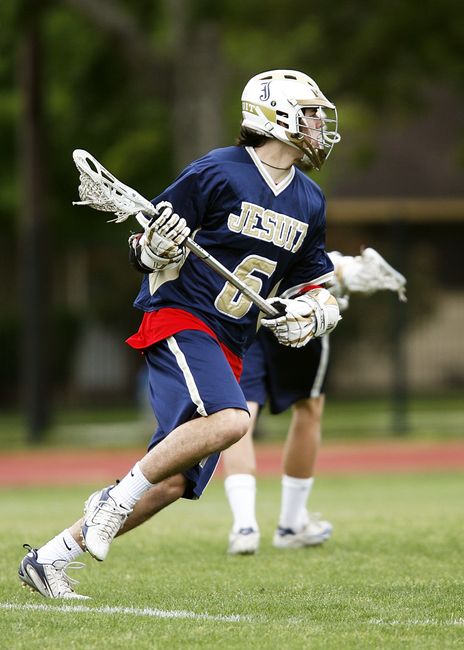
Keep the stick head up. A dropped head during a cradle or catch is one of the most common beginner habits, and it’s also one of the easiest for a parent or teammate to spot and call out.
Use a real wall, not a mesh net or trampoline-style rebounder, when possible — a hard, flat surface gives a truer, more consistent bounce back so players learn to trust their read on the ball.
Resist the urge to rush reps. Ten focused, clean-form throws teach more than fifty sloppy ones.
Explore more: More training and performance drills.
Lacrosse stick skills for beginners FAQs
What’s the single best lacrosse drill for a total beginner?
Basic wall ball. It’s the one drill that trains catching, throwing, hand position, and stick-head control all at once, and it scales easily as a player improves by moving farther from the wall or picking a smaller target.
How often should a youth player practice stick skills at home?
Most coaches recommend short, frequent sessions — around 15-20 minutes, three to four times a week — rather than one long weekend session. Consistency builds muscle memory faster than occasional long practices.
Do you need a special lacrosse wall or rebounder?
No. A flat brick or concrete wall works fine for beginners. Rebounder nets can help with space or noise concerns, but a hard wall gives a more realistic, consistent bounce for learning to read the ball.
Why does off-hand practice matter so much for young players?
Defenders quickly learn to push a one-handed player to their weak side. Practicing catching and throwing with the non-dominant hand early prevents that habit from becoming a long-term weakness.
Level Up With SportsSteps
Track your athlete’s progress, connect with coaches and your team, and grow — get the SportsSteps app. Get the SportsSteps App.
Photo by Moonther Aga on Pexels.