
Anyone who has stood on deck for a 4,000-yard practice knows the moment it happens: swimmers start drifting on the wall, stroke count goes out the window, and the group that was sharp during warm-up is now just surviving. Long sets are where age-group swimmers build the aerobic base and stroke habits that carry them for years, but kids don’t stay locked in just because the workout is well written.
The fix isn’t shorter practices — it’s structuring the time you already have so attention resets every few minutes instead of draining away. Below are practical, low-prep ways to do that, drawn from how age-group coaches actually structure a season.
Quick Answer
Break long sets into short, purposeful chunks with a clear focus for each piece (stroke count, a specific drill, a pace target), give swimmers something to track or compare on every rep, and mix in short competitive or game-based intervals every 10-15 minutes so effort resets before fatigue turns into checked-out lane-swimming.
Build the Set So Attention Resets on Its Own
The biggest engagement killer is a set with one instruction repeated for 30 minutes straight. Instead, structure the same total yardage into pieces that change texture: descend a series (each swim faster than the last), build within a single swim, or run an ascending set that starts fast and settles into an easier pace. The total work is identical, but the swimmer’s brain gets a new task every few reps instead of zoning out on autopilot.
Pick two or three technical focuses per practice — coaches often find three is the limit young swimmers can actually track — and write them on the board as a numbered list. Ask swimmers to call out which focus applies to the set in front of them before they push off. That ten-second interaction forces them to read the board and think about the ‘why’ instead of just following the swimmer in the next lane.
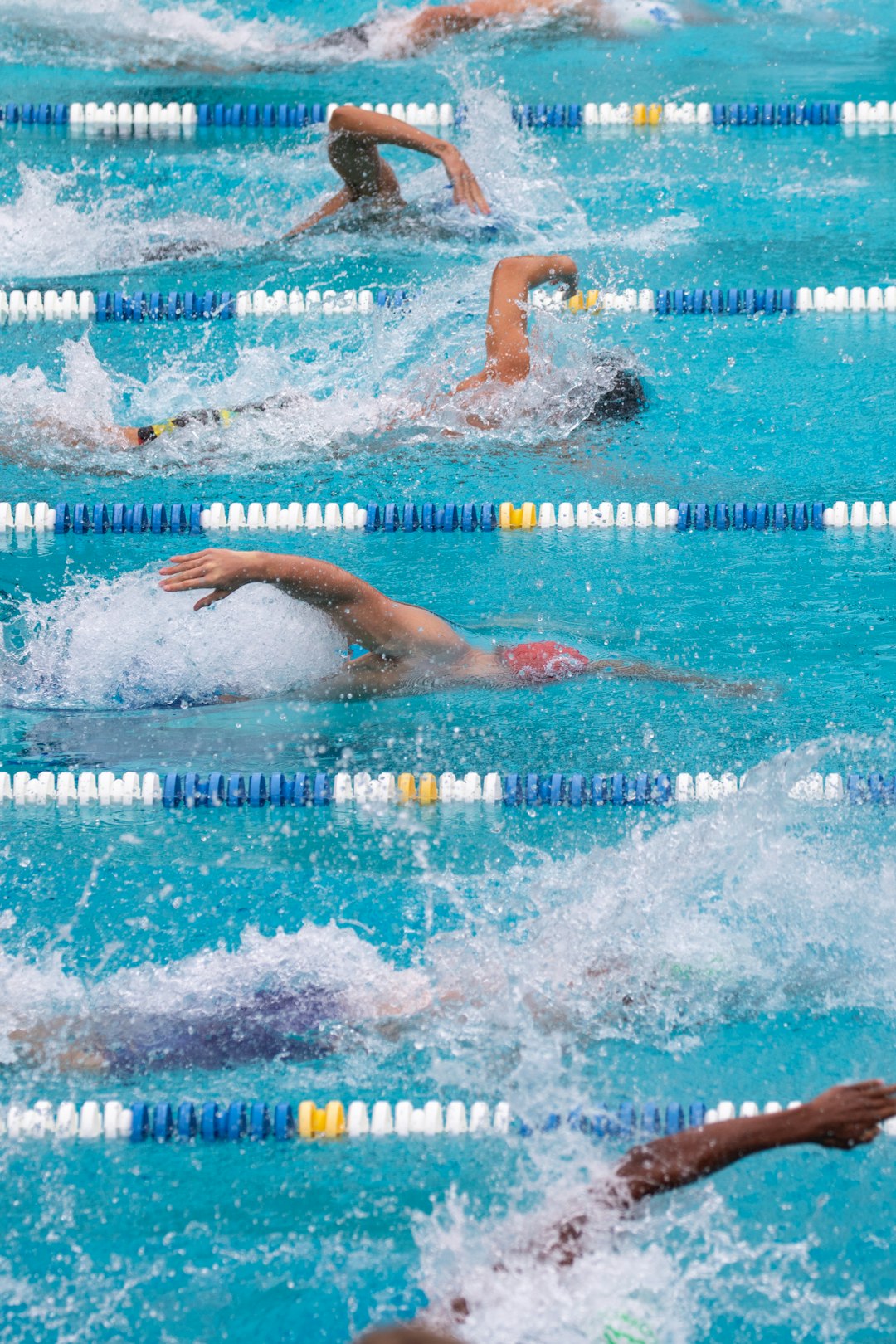
Give every rep something to measure. Stroke counts, best-average time on a broken swim, or ‘beat your last split’ targets turn a long freestyle set into a series of small competitions against yourself, which holds attention far better than a pace clock nobody is watching.
Mix in Games, Relays, and Variety Without Losing the Training Effect
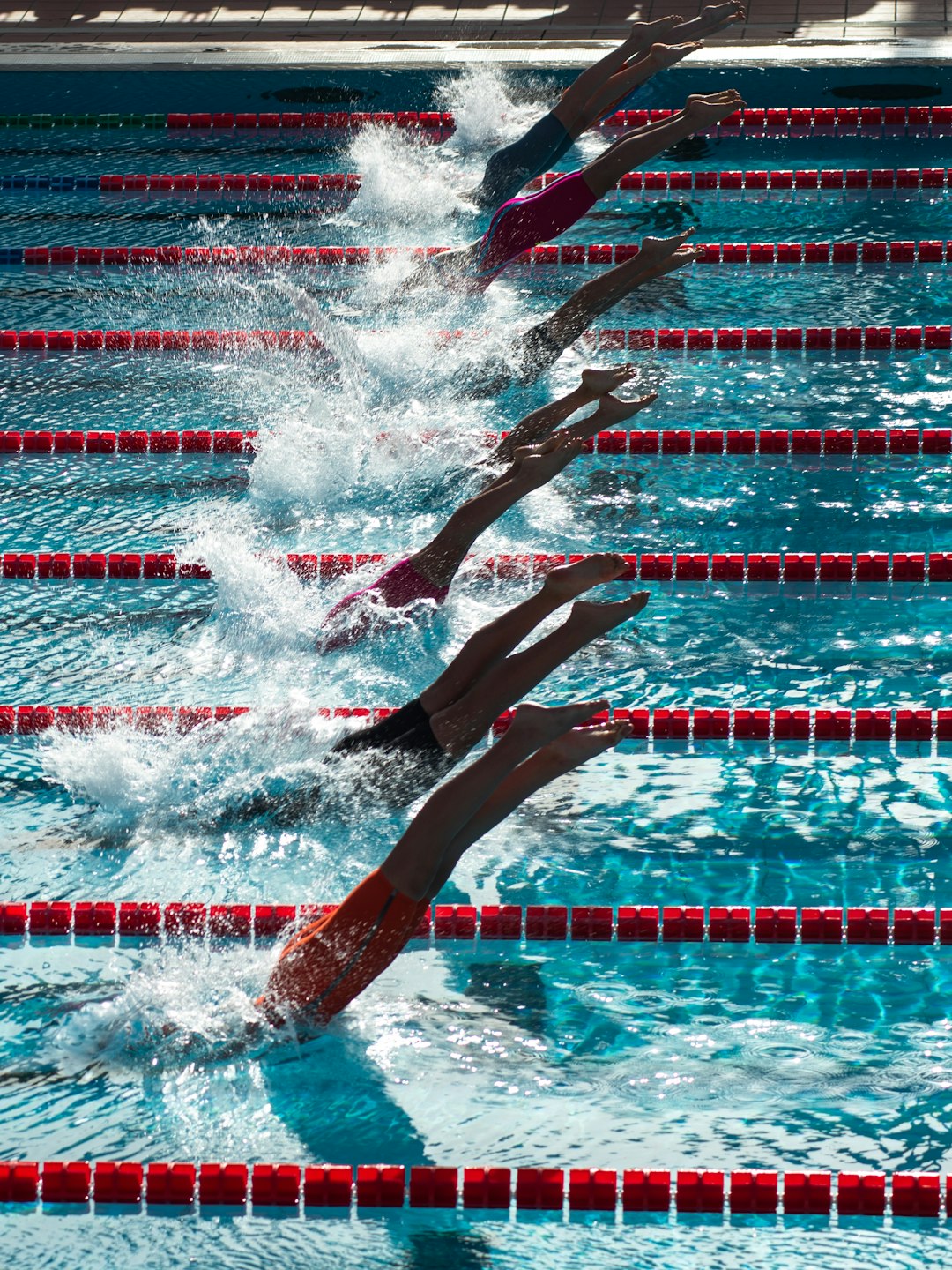
Games aren’t just a reward for finishing the real work — used well, they are the work. Fun relays that reward good starts, best team average, or a group goal (everyone under a cutoff) let swimmers train race pace and starts while thinking they’re just having fun. Sprinkle a short relay or game into the middle of a long set, not only at the end, so kids have something to look forward to before they’ve already checked out.
Don’t let any one swimmer lock into a single stroke or event too early. Rotating strokes and skills within a season — not just within a practice — keeps training fresh, builds a broader athletic base, and reduces the repetitive-stress overuse injuries that come from swimming the same stroke set after set. A practice that mixes strokes also naturally breaks up monotony better than an all-freestyle set ever will.
Video is an underused tool for this age group: showing a swimmer a few seconds of their own stroke next to a clean model gives them a concrete, visual reason to care about the technical focus you asked for, rather than an abstract instruction repeated from the deck.
For younger or newer swimmers, expect to give the same instruction in two or three different ways before it clicks — some kids need the verbal cue, some need a demonstration, and some need to feel it with a hand on the water. Kids also thrive on routine, so a predictable practice structure (warm-up, drill, main set, game, cool-down) actually frees up their attention for the technical work instead of spending it wondering what’s coming next.
Tips and Common Mistakes
Praise effort and technique, not just fast times — recognizing a swimmer who nailed their stroke count or held technique through fatigue keeps kids motivated even when the clock doesn’t show a personal best, and it teaches them that the process matters, not only the result.
A common mistake is writing the whole practice as one long undifferentiated set ‘because that’s what builds fitness.’ Age-group coaches generally aim for practices that are mostly drilling and skill work with kicking, racing, and games mixed throughout, rather than one uninterrupted grind — the fitness still gets built, but through variety instead of volume alone.
Another mistake is assuming engagement problems are a discipline issue. Often it’s a design issue: the set has no clear focus, no way to self-measure, and no variety, so swimmers have nothing to hold their attention besides the wall clock. Fix the set before you fix the swimmer.
Avoid overloading young swimmers with too many technical cues at once — stick to a small number of focuses per practice so they can actually track and improve on them, rather than diluting their attention across ten corrections.
Explore more: More coaching strategies and drills.
Keeping young swimmers engaged during long practice sets FAQs
How long should a practice set be for young swimmers before engagement drops?
There’s no universal number, but most age-group coaches break long practices into shorter pieces every 10-15 minutes — through a new focus, a game, or a change in stroke — rather than running one uninterrupted set for the full practice.
Do games and relays actually help swimmers improve, or are they just a distraction?
Well-designed games and relays reinforce real skills like starts, turns, and race pace while keeping the mood light, so they can double as training rather than taking away from it.
Should young swimmers specialize in one stroke to progress faster?
Coaches generally recommend against early specialization for swimmers under 14. Rotating through all four strokes builds a broader athletic base, reduces overuse injuries, and keeps practice more engaging than repeating one stroke set after set.
What’s the most effective single change a coach can make to a boring practice?
Give every set a clear, simple focus (a stroke count, a pace target, or a specific drill cue) and a way for swimmers to measure themselves against it. That alone turns passive lane-swimming into active, self-monitored work.
Level Up With SportsSteps
Track your athlete’s progress, connect with coaches and your team, and grow — get the SportsSteps app. Get the SportsSteps App.
Photo by Serena Repice Lentini on Unsplash.