
Signing a kid up for martial arts is one of the best youth-sports decisions a parent can make, but the three most common options — karate, taekwondo, and jiu-jitsu — teach very different skills in very different ways. Picking blindly often means switching gyms (and losing months of progress) once you realize the style doesn’t match your child’s personality.
This guide breaks down what each art actually trains, how belt progression works, and which kids tend to thrive in each one, so you can walk into a trial class already knowing what to look for.
Quick Answer
Karate suits kids who like structure, sharp hand and foot strikes, and clear forms (katas). Taekwondo suits kids who love fast, high kicks and nonstop movement. Jiu-jitsu suits kids who prefer problem-solving, close-contact grappling, and learning real self-defense without striking. Many gyms let you trial more than one, which is the fastest way to find the right match.
What Each Art Actually Trains
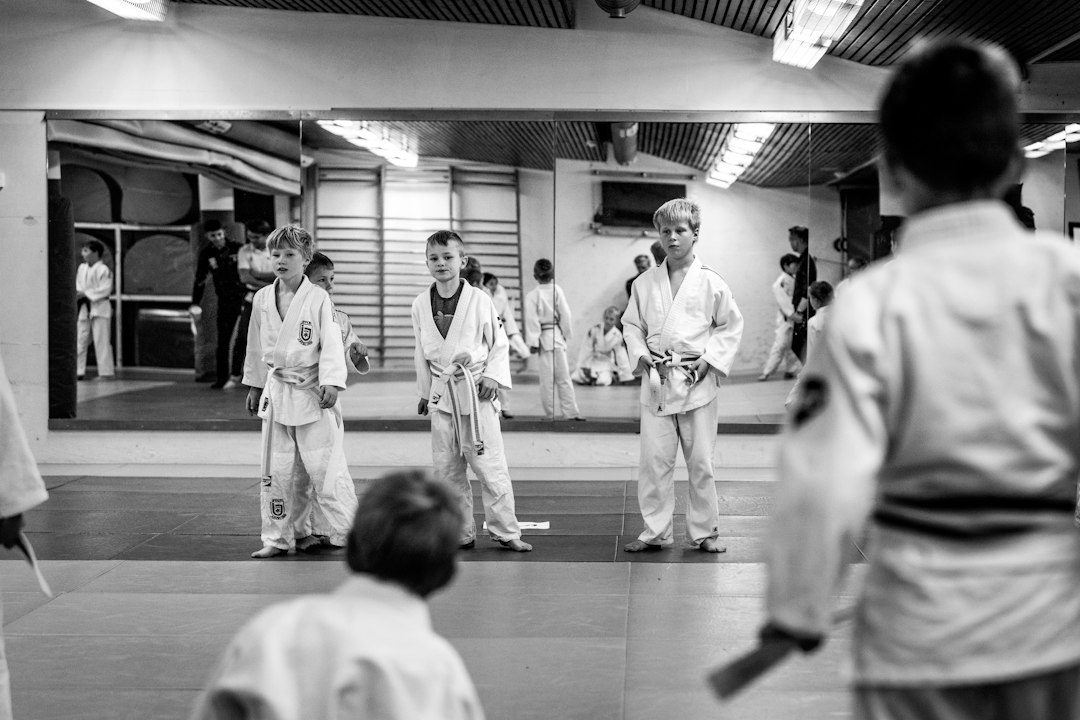
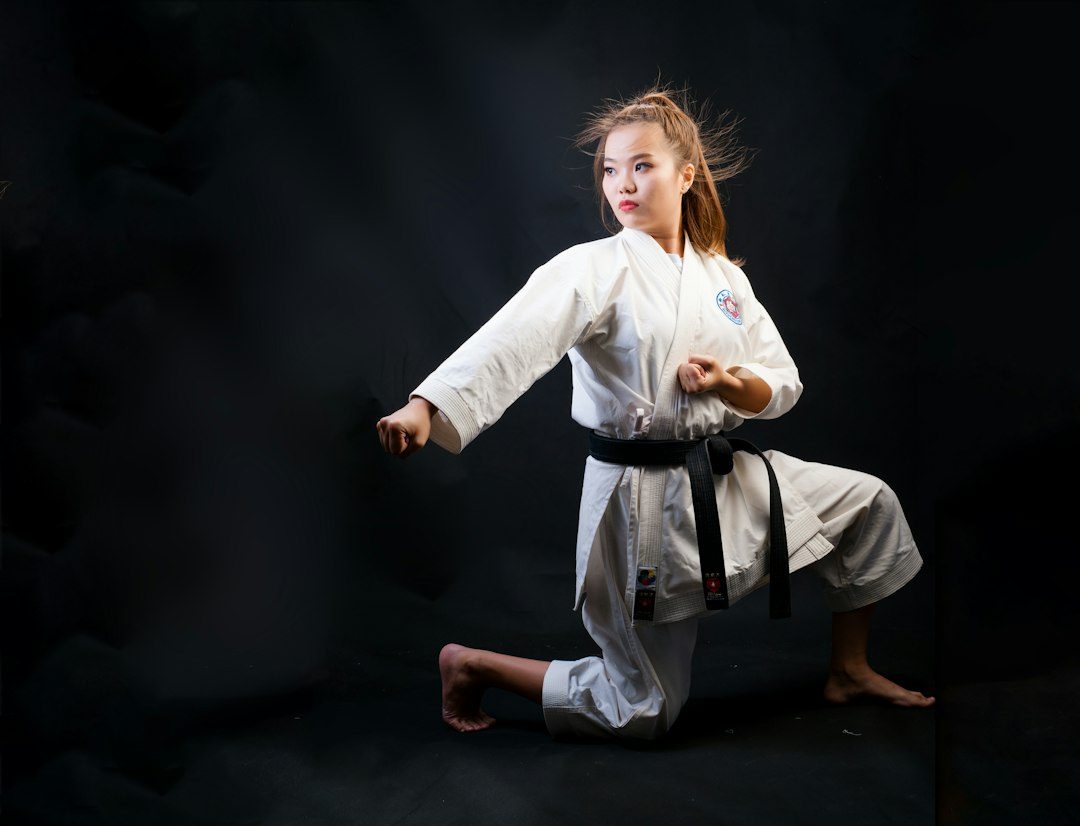
Karate, which originated in Japan, is a striking art built around punches, strikes, blocks, and stances, practiced largely through structured forms called katas alongside sparring. Kids learn discipline through repetition — the same movements drilled until they become automatic — plus etiquette like bowing and calling instructors ‘sensei.’
Taekwondo, a Korean martial art, is also a striking style, but it’s distinctly kick-heavy, emphasizing fast, high, and spinning kicks more than hand techniques. Classes tend to be high-energy and aerobic, which makes it a good fit for kids with a lot of physical energy to burn. Sparring (often with padded gear) and board-breaking are common milestones.
Jiu-jitsu (most commonly taught as Brazilian Jiu-Jitsu, or BJJ) is a grappling art, not a striking one. Kids learn to control an opponent on the ground, escape bad positions, and use leverage and technique rather than size or strength — including age-appropriate submissions like chokes and joint locks, taught and drilled safely under supervision. Because there’s no punching or kicking, BJJ is often described as lower-impact, though it’s physically demanding in a different way (grip strength, balance, and grappling endurance).
Belt Systems and What Progress Looks Like
Karate and taekwondo both use colored-belt systems that run from white belt up through several colors to black belt, with specific belt orders and testing requirements varying by school and organization. Taekwondo’s belt system was directly influenced by karate’s, so the general structure — stripes, testing boards, forms demonstrations — will look familiar if you’ve seen either style before.
Jiu-jitsu for kids uses its own youth belt track that’s separate from the adult system (which runs white, blue, purple, brown, black). Kids typically start at white belt and progress through additional youth-specific belts and stripes before transitioning into the adult ranking system as teens. Because the kids’ track has more steps, promotions tend to happen more frequently, which can be motivating for younger students who want visible milestones.
Across all three arts, belt testing is less about memorizing stripes and more about whether a school paces promotions to actual skill — ask any gym how long students typically spend at each belt before you commit.
Tips / Common Mistakes
Don’t pick based on the art alone — pick based on the gym. A great taekwondo school with an experienced, patient kids’ instructor beats a mediocre jiu-jitsu school, and vice versa. Sit in on a class before enrolling, not just a free trial lesson, so you see how instructors handle a full room of kids.
Match the art to your kid’s temperament, not yours. A naturally rough-and-tumble kid may love jiu-jitsu’s live grappling; a kid who likes routine and clear right-and-wrong answers may prefer karate’s forms-based structure; a high-energy kid who wants constant movement often does best in taekwondo.
Watch for red flags: contracts that lock you in for years before a single trial class, belt tests that happen on a fixed timer regardless of skill, or classes where kids spar full-contact without proper padding and supervision. A good program for kids values control and technique over flashy promotions.
Don’t assume one art is inherently safer than another — any contact sport carries injury risk, and the deciding factor is usually coaching quality and class size, not the style itself.
Explore more: More youth sports guides.
Karate vs. Taekwondo vs. Jiu-Jitsu for kids FAQs
What age should my child start martial arts?
Most kids are ready for a structured class around age 4-5, though some gyms offer BJJ or karate introductions as young as 3 in a play-based format. The best age depends more on the child’s ability to follow instructions and handle a group setting than on a strict cutoff.
Which is best for self-defense: karate, taekwondo, or jiu-jitsu?
Jiu-jitsu is often considered the most directly applicable for real-world self-defense because most altercations end up at close range or on the ground, and BJJ specifically trains how to control a bigger, stronger opponent without striking. That said, karate and taekwondo also build real striking skills, awareness, and confidence.
Can my kid do more than one martial art?
Yes, and many families do — pairing a striking art (karate or taekwondo) with a grappling art (jiu-jitsu) gives kids a well-rounded skill set. Just watch for schedule overload; one or two classes per week per sport is usually plenty for young kids.
Is taekwondo or karate better for competitive sparring?
Taekwondo has a bigger competitive sparring culture, including Olympic-level competition, and its point-sparring format is kick-focused and fast-paced. Karate also has active sparring circuits, with more emphasis on hand techniques and forms competitions alongside sparring.
Level Up With SportsSteps
Track your athlete’s progress, connect with coaches and your team, and grow — get the SportsSteps app. Get the SportsSteps App.
Want training tips and sports news in your inbox? Subscribe to the free newsletter.
Photo by Mats Sommervold on Unsplash.