
A higher vertical jump comes down to three trainable qualities: how much force your legs can produce, how fast you can produce it, and how efficiently you convert that force into upward movement. None of those are fixed by genetics alone, and none of them disappear as you get older — they just need to be trained differently depending on your age and training history.
This guide breaks down the exact mix of strength work, plyometrics, and technique cues that research and coaching practice point to as most effective, plus how to adjust the approach whether you’re a teenager chasing a dunk, an adult athlete in your competitive prime, or an older athlete trying to hold onto explosiveness.

Quick Answer
Improve your vertical jump by combining heavy or moderately heavy strength training (squats, deadlifts, hip thrusts) with plyometric power work (box jumps, depth jumps, bounds) two to four times a week, while cleaning up your jumping technique (arm swing, countermovement depth, and landing mechanics). Strength builds the force your legs can produce; plyometrics teaches your nervous system to apply that force quickly. Both matter at every age — older athletes just need more warm-up, slightly lower volume, and more recovery between sessions.
Build the Two Pillars: Strength and Power
Strength training is the foundation. Compound lower-body lifts like back squats, trap-bar deadlifts, Romanian deadlifts, and hip thrusts build the raw force production in your glutes, quads, and hamstrings that everything else is built on. Two full-body or lower-body strength sessions a week, with 3-5 sets of 3-6 reps at a challenging weight, is enough for most people to see steady strength gains over several months.
Plyometric training is what converts that strength into jumping power. This includes box jumps (jumping up onto a box and stepping down, not jumping down from one), depth jumps (stepping off a low box and immediately jumping upon landing), broad jumps, and bounding drills. These train the stretch-shortening cycle — the body’s ability to store and release elastic energy in a fraction of a second, which is exactly what a jump requires. Keep plyometric sessions short (think 20-40 total jumps) and done when you’re fresh, not after a long workout, since quality and full recovery between reps matter more than volume.
Many coaches combine the two in what’s called complex training: performing a heavy strength exercise (like a squat) followed shortly by a biomechanically similar explosive movement (like a jump squat or box jump). This pairing is commonly cited as one of the more effective approaches for athletes who already have a strength base, since it trains maximal force and rapid force expression close together.
Dial In Technique and Programming
Technique changes can add inches without any extra strength. Use a full, aggressive arm swing — drive your arms down and back before whipping them up and forward as you jump, since the arm swing alone contributes meaningfully to jump height. Find your optimal countermovement depth: dipping too shallow wastes the stretch-shortening cycle, while dipping too deep slows you down; most people land in a comfortable quarter-to-half squat depth that lets them reverse direction quickly rather than pause at the bottom.
Program for recovery, not just effort. Jumping and heavy lifting both tax the nervous system and connective tissue, so most athletes do best with 2-4 total jump/strength-focused sessions per week, with at least one rest or light day between hard power sessions. Expect it to take roughly 6-12 weeks of consistent training before you see a meaningful, repeatable change in your jump height — power adaptations are real but not instant.
Age changes the dosage, not the method. Younger athletes with less training history often see fast gains just from adding structured plyometrics and strength work for the first time. Adults in their 20s-30s with an established base usually need more targeted periodization (alternating strength and power phases) to keep progressing. For athletes 40 and older, research on ‘master athletes’ shows that power training remains effective well into older age, and that people who keep doing jump- or sprint-type training retain noticeably more lower-body power than those who don’t train that way at all — but the approach should include longer warm-ups, lower-impact landing surfaces, more recovery days, and closer attention to tendon and joint health (calves, Achilles, and knees in particular).
Tips / Common Mistakes
Don’t skip the warm-up: a proper warm-up including light cardio, dynamic stretches, and a few submaximal jumps primes the nervous system and reduces injury risk, and matters more as you get older. Don’t jump on tired legs — plyometrics done fatigued reinforce poor mechanics and raise injury risk rather than building power. Don’t neglect strength training in favor of jumping drills alone, since plyometrics without an underlying strength base plateau quickly. Don’t ignore landing mechanics; absorbing the landing with bent knees and a quiet, controlled touchdown protects joints and is just as trainable as the jump itself. And don’t expect linear progress — power training works in waves, so a week where your jump feels flat is often followed by a breakthrough once you’ve recovered.
Explore more: more athlete development guides.
Vertical jump training FAQs
How long does it take to increase your vertical jump?
Most people training consistently with a mix of strength and plyometric work notice real improvement within 6-12 weeks, with bigger gains over several months as strength builds.
Do you need a gym or weights to improve your vertical jump?
Weights help by building a stronger strength base, but bodyweight plyometrics, jump squats, and lunges can still produce meaningful improvement, especially for beginners or younger athletes.
Can older adults still improve their vertical jump?
Yes. Research on older power athletes shows that targeted jump and sprint-style training preserves and can improve lower-body power well into older age, though warm-up, recovery, and joint care become more important.
What’s the single best exercise for vertical jump?
There isn’t one magic exercise — a squat variation for strength paired with a jump variation like box jumps or depth jumps for power, done consistently, outperforms any single exercise on its own.
Level Up With SportsSteps
Track your athlete’s progress, connect with coaches and your team, and grow — get the SportsSteps app. Get the SportsSteps App.
Want training tips and sports news in your inbox? Subscribe to the free newsletter.
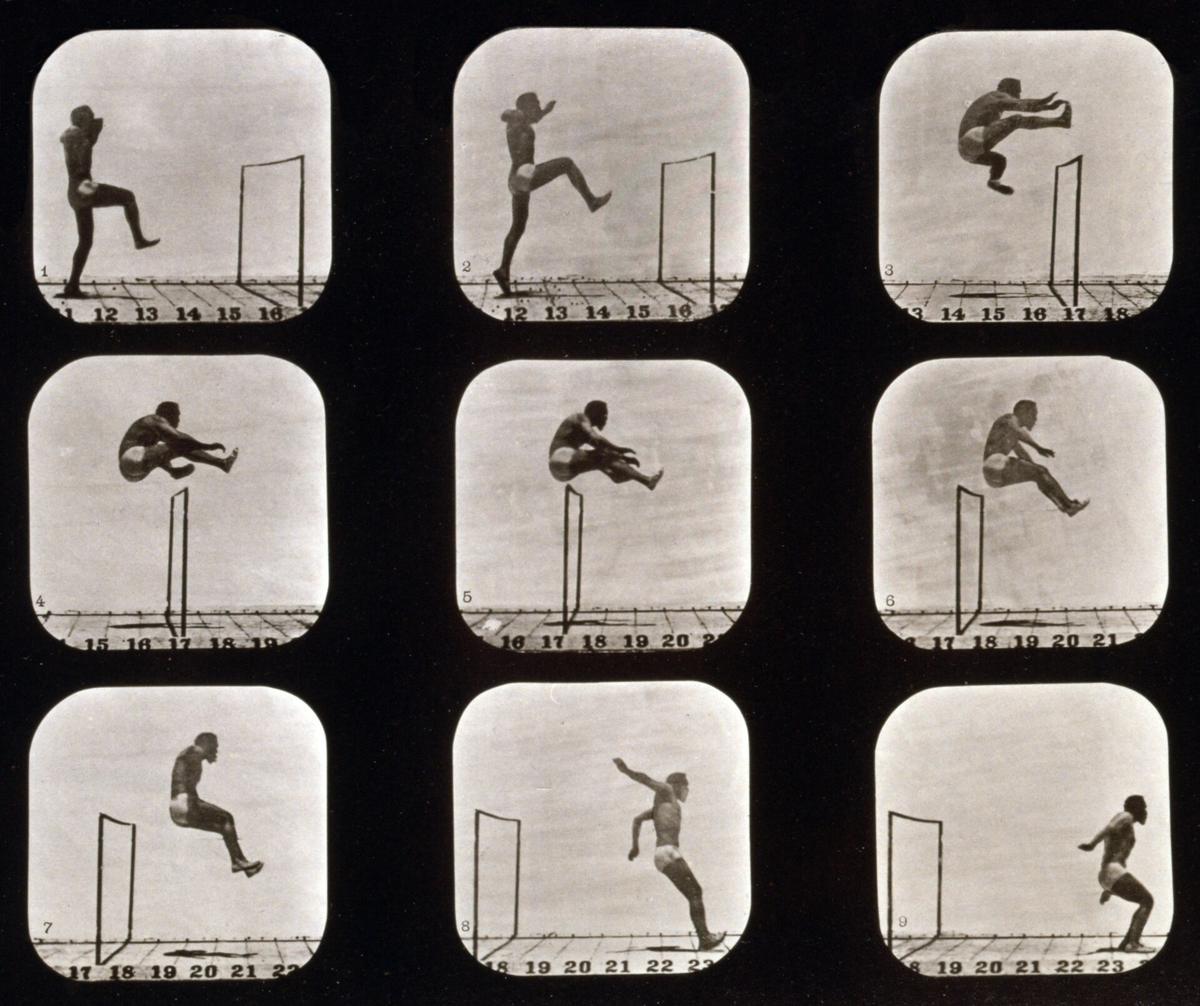
Photo: Shixart1985 / CC BY 2.0, via Wikimedia Commons.