Grip strength is one of the most underrated pieces of athletic performance. It’s the first thing to fail during a heavy deadlift, a long climb, a grappling match, or the final minutes of a game when hands get tired and bats, racquets, or opponents start slipping away.
This guide breaks down why grip strength matters across sports, the methods that actually build it, and the mistakes that keep athletes from making progress.
Quick Answer
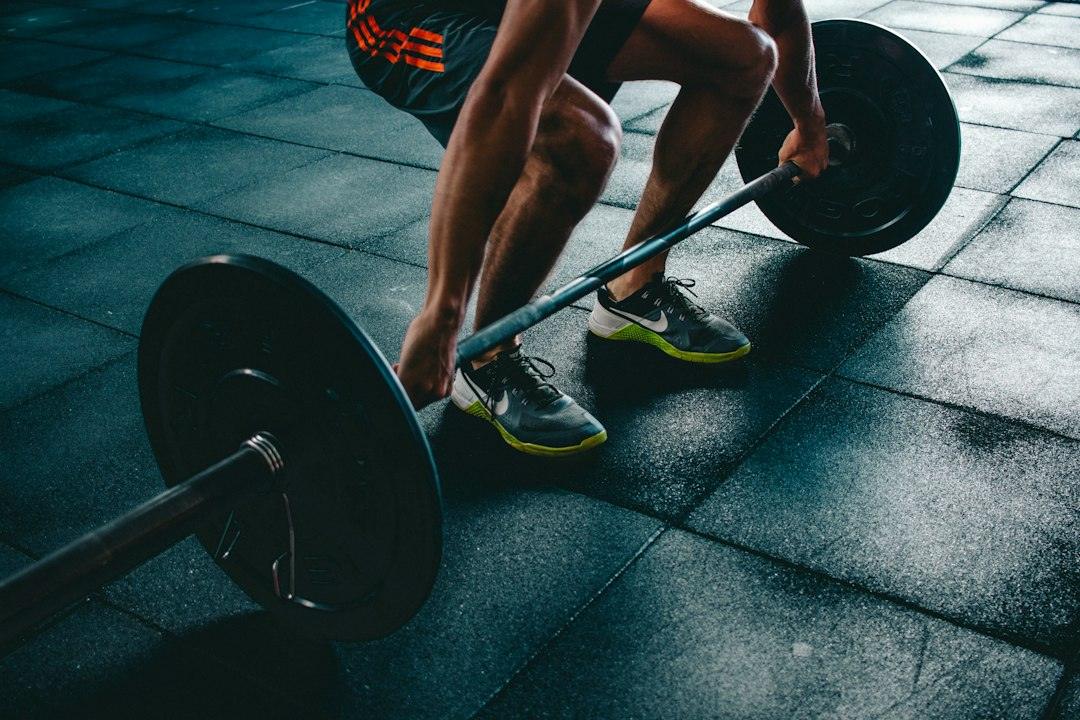
Grip strength matters because it’s often the limiting factor in pulling, carrying, and holding tasks — when your grip fails, you can’t apply the strength your bigger muscles have built. The most effective ways to build it are dead hangs, farmer’s carries, loaded carries with thick handles, and dedicated gripper or pinch-grip work done 2-3 times a week alongside your normal training.
Why Grip Strength Matters for Athletes
Grip strength shows up in more sports than people expect. Research on youth soccer players, volleyball athletes, and basketball players has found meaningful associations between handgrip strength and jumping, sprinting, and overall lower- and upper-body strength — a strong grip tends to track with a well-trained, powerful athlete overall, even in sports that don’t look ‘grip-dependent’ at first glance.
In sports where you’re literally holding onto something — climbing, grappling, rowing, baseball, tennis, golf, strongman, powerlifting — grip is the obvious bottleneck. A lifter with a weak grip will fail a heavy deadlift or pull-up long before their back or lats give out. In combat sports, grip fatigue changes the whole fight; studies on MMA athletes have shown grip force drops noticeably once gloves are added, which is part of why fighters train grip endurance separately from raw strength.
Grip strength also matters for durability. Strong forearms and hands help stabilize the wrist and elbow during throwing, swinging, and catching motions, which can reduce strain on those joints over a long season.
How to Build Grip Strength: The Best Methods
Dead hangs are the simplest tool available: hang from a pull-up bar with a full grip for as long as you can hold it, for 2-4 sets. They build grip endurance and also stretch the shoulders and lats, so they double as a cheap recovery drill between heavier sessions.
Farmer’s carries train grip under load and fatigue at the same time. Pick up a heavy dumbbell or kettlebell in each hand and walk for distance or time — the longer the carry, the more your hands have to fight to keep the weights from slipping, which is exactly the kind of grip endurance that transfers to sports.
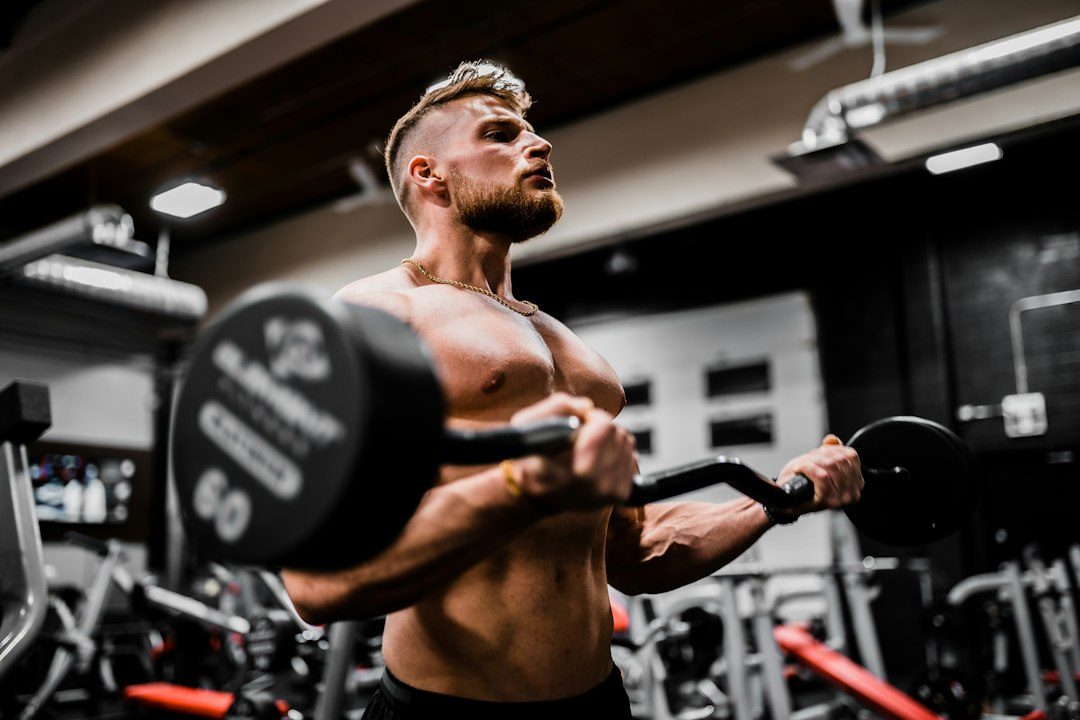
Thick-handle and fat-grip work forces your hand to open wider, which recruits more forearm muscle than a standard barbell or dumbbell handle. Fat Gripz or similar attachments on rows, curls, and carries are an easy way to add this without new equipment.
Dedicated grippers (like the well-known Captains of Crush line) train pure crush strength — the closing motion of the hand. Work these for low reps with full rest, since they’re meant to be a near-maximal effort each time, not a high-volume burnout exercise.
Pinch grip work — holding two weight plates together smooth-side-out, or lifting a block or kettlebell by the handle with your fingers only — trains a different strength pattern than crushing grip and is especially useful for rock climbers and anyone who handles odd objects (sandbags, logs, atlas stones).
Wrist curls, reverse wrist curls, and rice-bucket drills (digging your hand in and out of a bucket of rice) build the smaller forearm muscles and tendons that support grip strength and help protect against wrist and elbow overuse injuries.
Tips and Common Mistakes
Train grip in more than one way. Crush grip (squeezing), pinch grip (thumb against fingers), and support grip (holding something heavy for time) are three different strength qualities — an athlete who only does one tends to have a glaring weakness in the others.
Don’t neglect the extensors. Most grip training closes the hand; balance it with finger-extension work (rubber bands around the fingers, or a hand-extensor tool) to avoid the tendon imbalances that lead to forearm and elbow pain.
Grip fatigues fast and recovers slowly compared to bigger muscle groups, so 2-3 focused sessions a week is usually plenty — more than that and it starts eating into your ability to grip the bar on heavy lifting days.
Place grip work at the end of a session, not the beginning. Pre-fatiguing your hands before a heavy pull or climb session will tank the quality of the main lift or climb.
Progress gradually. Grip tendons and connective tissue adapt slower than muscle does, so chasing fast gains on grippers or heavy pinches is a common way athletes pick up a forearm or finger injury.
Explore more: More training and performance guides.
Grip strength training FAQs
How often should athletes train grip strength?
Most athletes do well with 2-3 short grip sessions per week, layered on top of normal training, since grip connective tissue recovers more slowly than larger muscle groups and doesn’t need daily loading.
What’s the single best exercise for grip strength?
There isn’t one best exercise — dead hangs and farmer’s carries build grip endurance, while grippers and pinch grip build maximal crushing and pinching strength. A well-rounded athlete trains a mix of all three.
Does grip strength matter in sports that don’t involve holding equipment?
Yes. Studies on soccer, volleyball, and basketball players have found grip strength tracks with jumping and sprinting performance, likely because it reflects overall strength training and neuromuscular quality rather than hand strength in isolation.
Can grip strength improve quickly?
Early gains (a few weeks of consistent training) often come fast because grip is a skill as much as a strength quality, but meaningful long-term improvement — and injury-resistant tendon strength — takes consistent training over months.
Is it bad to train grip strength every day?
Daily heavy grip work without rest can lead to forearm, wrist, or finger tendon overuse. It’s safer to train grip hard 2-3 times a week and let connective tissue recover in between.
Level Up With SportsSteps
Track your athlete’s progress, connect with coaches and your team, and grow — get the SportsSteps app. Get the SportsSteps App.
Want training tips and sports news in your inbox? Subscribe to the free newsletter.
Photo by Victor Freitas on Unsplash.