
Game day mornings are chaotic enough without discovering mid-drive that your kid forgot their cleats or has zero snacks for a three-hour tournament. A well-packed sports bag is one of the easiest ways parents can set their young athlete up for a great performance — and save themselves a sideline scramble.
This guide breaks down exactly what goes into the ultimate game day bag, from sport-specific gear to the small items that quietly save the day. Whether your child plays soccer, baseball, lacrosse, or any other team sport, these categories apply across the board. Pack once, pack right, and game days get a whole lot smoother.
Quick Answer
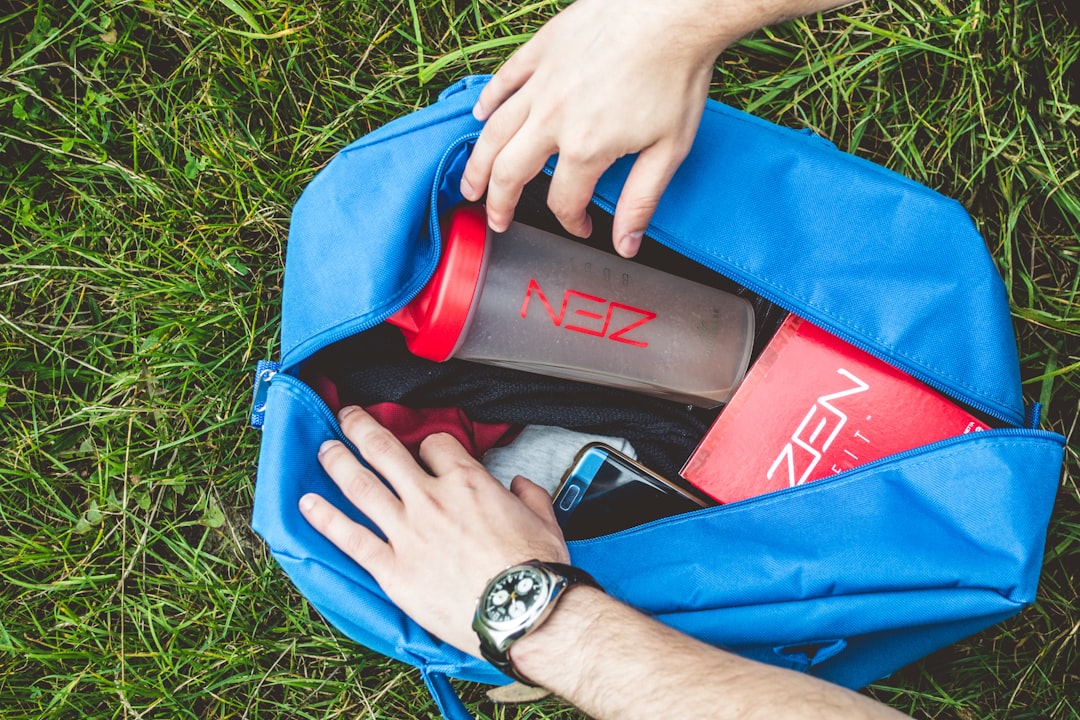
A complete game day sports bag for a young athlete covers six zones: sport-specific gear and uniform, footwear plus backup shoes, hydration and fuel, an extra set of clothes, a compact first aid kit, and one emergency contact card. Pack the bag the night before and do a biweekly restock to keep everything ready all season.
Zone-by-Zone Packing List
Zone 1 — Uniform and Sport-Specific Gear. Start with the non-negotiables: jersey, game shorts or pants, sport-appropriate socks (pack at least two pairs — wet or muddy socks mid-game are miserable), and every piece of protective equipment required for the sport. That means shin guards for soccer, a mouthguard for contact sports, a batting helmet for baseball, and so on. Lay these out the night before so nothing gets left behind in the morning rush.
Zone 2 — Footwear. Game cleats or shoes go in a separate shoe compartment or drawstring bag to keep dirt off everything else. Always add a pair of slides or backup sneakers — these let your athlete rest their feet between games at a tournament or change out of muddy cleats on the way home. Throw in an extra pair of laces; they snap at the worst possible moments.
Zone 3 — Hydration and Fuel. A large, leak-proof insulated water bottle is the single most important item in the bag. On hot days or during back-to-back games, add a second bottle with an electrolyte drink or coconut water to help replace what gets sweated out. For snacks, stick to easy, real-food options: bananas, granola bars, trail mix, peanut butter sandwiches, or whole-grain crackers. Pack them in a hard-sided container so they don’t arrive as crumbs. A light pre-game snack and a more substantial post-game option covers your athlete’s energy needs for most game days.
Zone 4 — Extra Clothing. A complete backup outfit — shirt, shorts, fresh socks — tucked into a sealed packing cube or zip-lock bag is a sideline lifesaver. Wet weather, a muddy dive, or a halftime spill can soak a uniform fast. A warm-up jacket or hoodie rounds this zone out, especially for early morning or late-evening games when temperatures drop.
Zone 5 — First Aid Kit. A compact kit doesn’t need to be elaborate: adhesive bandages in a few sizes, blister patches, athletic tape, antiseptic wipes, an instant cold pack, and age-appropriate pain relief. If your child has a specific medical need — an inhaler, EpiPen, or allergy medication — those live in this zone too and should always be easy to reach. Hand sanitizer and a small pack of body wipes cover hygiene between games.
Zone 6 — The One Item Most Parents Skip. A laminated emergency contact card tucked into a front pocket is something very few parents remember but every coach and tournament coordinator appreciates. Include two parent phone numbers, a secondary contact, the child’s known allergies, and the coach’s number. It takes five minutes to make and can be genuinely important if a parent is temporarily unreachable.
Choosing the Right Bag
The bag itself matters as much as what’s inside it. Look for a duffel or backpack with multiple compartments — at minimum a main storage area, a vented or separate shoe pocket, and one or two smaller exterior pockets for quick-access items like snacks and a phone. Waterproof or water-resistant material makes a real difference at outdoor venues where the bag might sit on wet grass for hours.
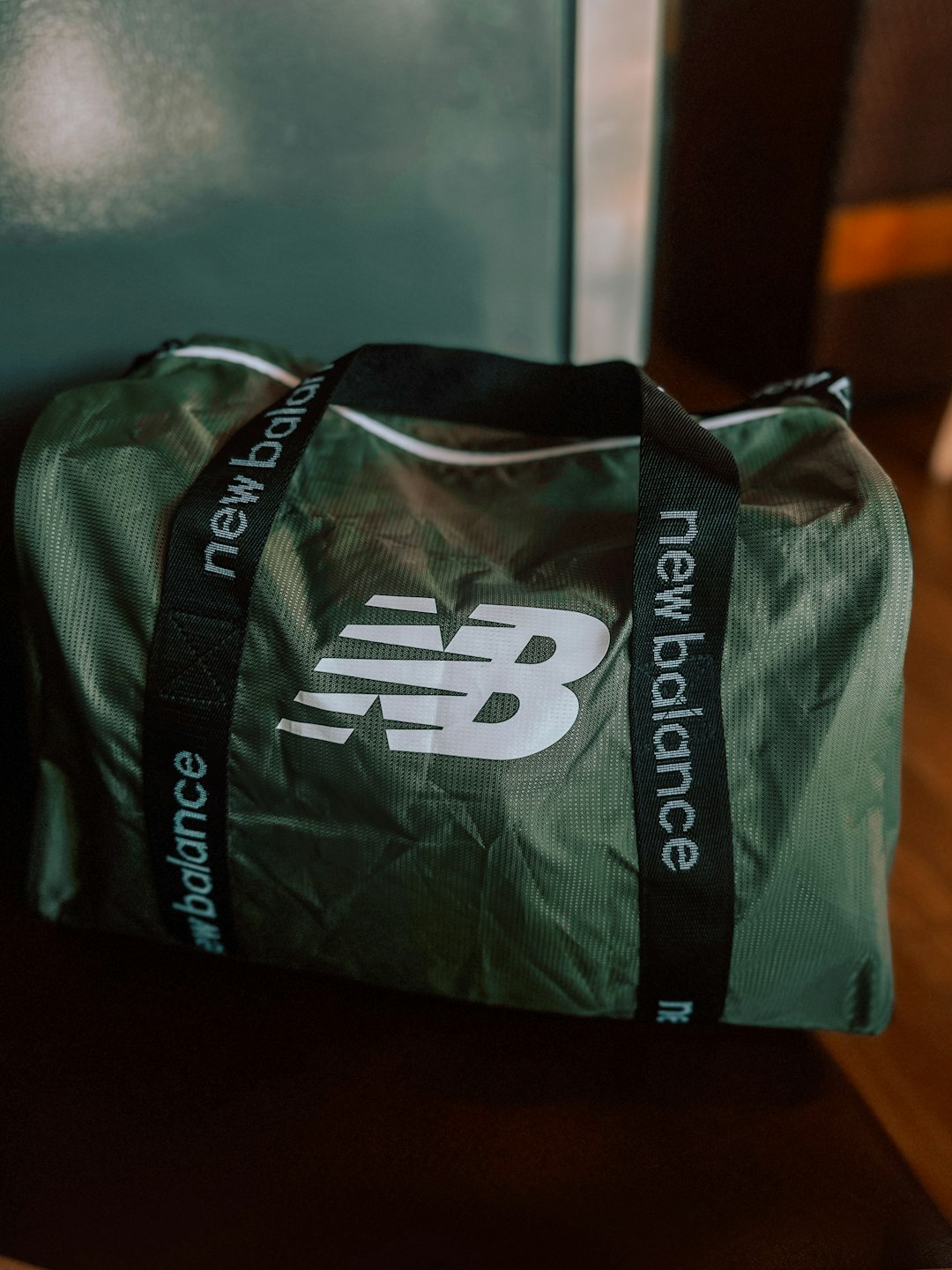
For younger kids (under 10 or so), a mid-size backpack works well because they can carry it themselves, which is a small but meaningful step toward ownership of their own gear. Older athletes often move to a full duffel or a dedicated sport bag that can hold pads, helmets, or a bat. Whatever the size, label it clearly — team bags at tournaments look identical from 20 feet away.
As athletes reach middle school age, start handing off responsibility for packing to them. Walk through the list together at first, then let them manage it. Athletes who pack their own bags forget things less often and arrive to practice mentally more engaged.
Common Mistakes to Avoid
Only packing one pair of socks is the most common and most avoidable mistake — always include a spare pair. Similarly, skipping the backup outfit means one muddy fall ends the comfortable part of the day. Loose snacks scattered through the main compartment get crushed and create a cleanup nightmare; a small container solves this completely.
Forgetting to restock the bag between games is what turns a well-prepared bag into a useless one. Band-aids get used, water bottles come home empty, granola bars disappear. A quick biweekly dump-and-restock — empty the bag, wipe it down, replace anything used — keeps the system working all season without a last-minute scramble the night before a big game.
Finally, don’t overstuff the bag trying to prepare for every scenario. A heavy, disorganized bag frustrates athletes and makes finding anything quickly impossible. Stick to the six zones above, keep each zone lean, and add sport-specific extras only when genuinely needed. The goal is a bag your athlete can dig through quickly and confidently — not a rolling warehouse.
Explore more: More Parent Guides for Youth Sports.
Game Day Sports Bag for Young Athletes FAQs
What should always be in a young athlete’s sports bag, no matter the sport?
At minimum: the complete uniform and sport-specific gear, at least two pairs of socks, a large water bottle, a healthy snack, a spare set of clothes, and a basic first aid kit with bandages and an instant cold pack. These basics apply to nearly every youth sport.
Should my child pack their own sports bag?
Yes — ideally from middle school onward. Start by walking through the packing list together, then gradually let your athlete take ownership. Athletes who pack their own gear tend to forget things less often and arrive more mentally prepared for competition.
How often should I restock and clean out the sports bag?
Every one to two weeks is a good rhythm during a busy season. Dump everything out, wipe down the interior, replace used first aid supplies and snacks, wash any spare clothing, and do a quick check that all gear is present. This prevents the unpleasant surprise of a missing item on game day.
Level Up With SportsSteps
Track your athlete’s progress, connect with coaches and your team, and grow — get the SportsSteps app. Get the SportsSteps App.
Photo: Syriskos / Public domain, via Wikimedia Commons.