
Relay races are the loudest, most emotional moments of any youth swim meet — and the ones where a coach’s prep work shows up fastest. Get the rotation wrong and you lose seconds or, worse, get disqualified on an early exchange. Get the pre-race talk wrong and nervous kids swim tight and slow.
This guide walks through how to build a smart rotation for both freestyle and medley relays, how to drill legal exchanges so you don’t hand back a win on a technicality, and how to talk to a team of 8-to-14-year-olds in the two minutes before they step on the blocks.

Quick Answer
Build your relay order around exchange timing and race psychology, not just raw times: put a strong starter first, your most consistent swimmer in the middle legs, and your best closer or most competitive kid on anchor. In medley relays the stroke order is fixed — backstroke, breaststroke, butterfly, freestyle — so slot swimmers into those legs by stroke strength, then drill the exchange itself (the takeoff timing) as its own skill, separate from swimming speed.
Setting the Rotation: Freestyle and Medley Relays
For a freestyle relay, you’re choosing four swimmers and an order, and both matter. A common approach: lead off with a swimmer who has a clean, confident start and settles into pace quickly — the field is still bunched and there’s no exchange pressure on this leg. Put your most consistent, level-headed swimmer on legs two or three, since these swimmers have to nail a reactive, standing relay start off the blocks while a teammate is still finishing. Save your fastest finisher, or the swimmer who thrives under pressure, for anchor — this is the leg where crowd noise and a close race can either fire a kid up or rattle them, so pick for temperament as well as speed.
Medley relays remove some of the guesswork because the stroke order is fixed by rule: backstroke, breaststroke, butterfly, then freestyle. Your job is matching swimmers to legs by stroke strength rather than overall speed rank — a swimmer with a mediocre 50 free but a strong backstroke belongs on that first leg, since the backstroke leg starts in the water and rewards a strong underwater and stroke technique over a explosive block start. Breaststroke tends to be the slowest of the four strokes on the clock, so don’t panic if that leg’s split looks slow relative to the others — it’s normal. Butterfly swimmers need enough upper-body endurance to hold form on tired shoulders, and your anchor freestyler should be someone who swims well when the outcome is already partly decided by the first three legs.
Whichever relay you’re building, tell swimmers their leg assignment and the exchange order well before the meet, and if you have depth, rotate combinations in practice relay starts so more than one swimmer is used to going in each position — injuries, illness, and last-minute lineup changes happen, and a team that has only ever practiced one lineup is fragile.
Drilling Legal, Fast Exchanges
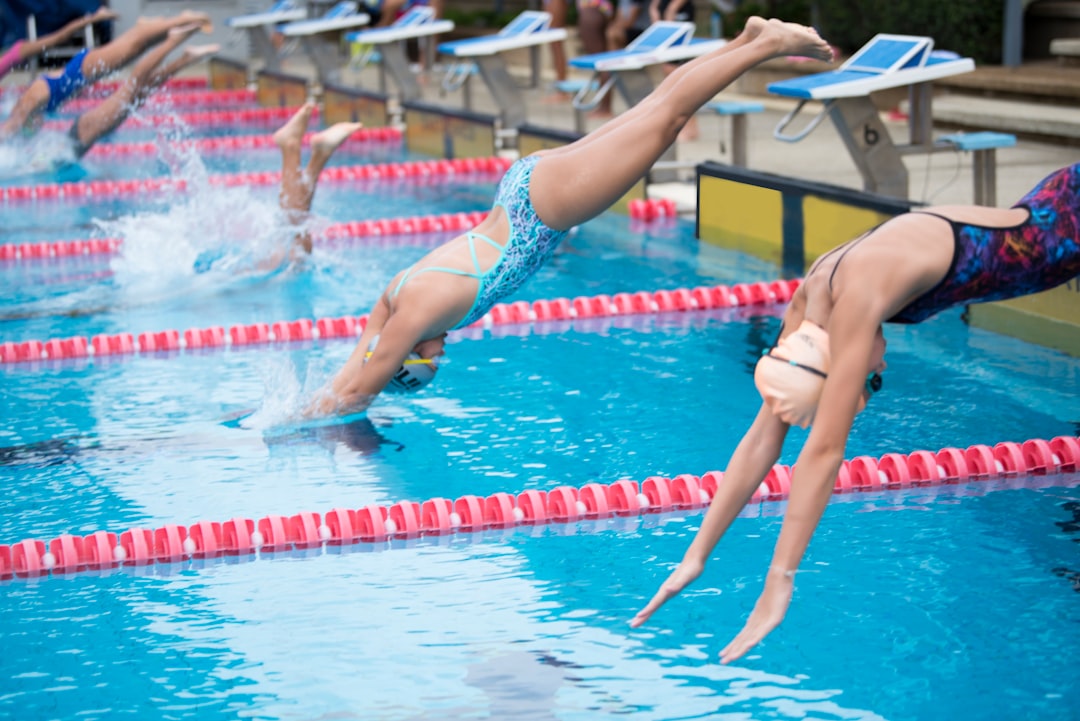
The single most avoidable way to lose a relay is an early takeoff. Under USA Swimming rules, a swimmer on the second, third, or fourth leg false-starts the exchange if their feet leave the starting block before the incoming teammate physically touches the wall — even by a fraction of a second. Relay takeoffs are watched by dedicated stroke-and-turn or takeoff judges, and a disqualification requires the lane judge’s call to be confirmed by a second official, so calls aren’t casual, but they do happen, especially with excited younger swimmers who jump the gun trying to gain an edge.
Practice the exchange as its own drill, separate from swimming full relay legs. Have the incoming swimmer touch the wall at race effort while the next swimmer times their approach and takeoff from the block, aiming to leave the instant the touch happens rather than trying to anticipate it. Video a few practice exchanges on a phone if you can — most young swimmers are surprised how early they’re actually leaving once they see it on replay. For younger or less experienced swimmers, coach a conservative approach: a slightly late but legal takeoff beats a fast one that gets the whole relay disqualified, and once a kid has been DQ’d for jumping early once, that lesson tends to stick for the rest of the season.
Tips and Common Mistakes
Keep the pre-race talk short and specific rather than generic hype — instead of ‘swim your best,’ remind each swimmer of the one or two things they’ve been working on in practice (a strong first stroke off the wall, staying long through breaststroke pull, holding tempo on the anchor leg). Specific cues calm nerves better than general encouragement because they give a swimmer something concrete to focus on instead of the pressure of the moment.
Let the team huddle and connect physically before the race — a hand pile, a quick chant, or even just standing shoulder to shoulder behind the blocks helps young swimmers feel like they’re racing for each other, not just for themselves, which tends to produce better effort on tired final legs.
Common mistakes to avoid: don’t announce the lineup so late that swimmers have no time to mentally prepare for their leg; don’t put your most anxious swimmer on anchor purely because they’re fastest on paper if the pressure visibly hurts their racing; and don’t skip exchange practice in the week before a big meet — swimmers who haven’t drilled takeoffs recently tend to either jump early out of over-eagerness or hesitate and lose time out of caution.
Explore more: More youth swim coaching guides.
Youth swim relay coaching FAQs
What is the correct stroke order for a medley relay?
Backstroke swims first, then breaststroke, then butterfly, with freestyle anchoring the relay. The order is fixed by the rules of the sport and can’t be changed.
What causes a relay disqualification at the exchange?
A swimmer’s feet leaving the starting block before their incoming teammate touches the wall causes an early-takeoff disqualification. Officials use a lane judge plus a confirming judge before a relay is actually DQ’d.
Who should swim anchor in a youth relay?
Pick the swimmer who performs best under pressure and finishes strong, not just whoever has the fastest individual time — some fast swimmers tighten up when the race is close and the crowd is loud, while less flashy swimmers thrive in that moment.
How much should a coach say right before a relay race?
Keep it brief and specific — one or two concrete technical cues per swimmer plus a short team moment work better than a long motivational speech, which tends to add pressure rather than relieve it.
Level Up With SportsSteps
Track your athlete’s progress, connect with coaches and your team, and grow — get the SportsSteps app. Get the SportsSteps App.
Photo by Serena Repice Lentini on Unsplash.