
A childhood asthma diagnosis doesn’t mean sitting out on sports. In fact, pediatric pulmonologists generally encourage kids with asthma to stay active, since regular exercise strengthens the lungs and improves overall symptom control over time.
The trick is choosing activities that work with your child’s airways instead of against them, and having an asthma action plan in place before they hit the field, court, or pool. This guide breaks down which sports tend to be easiest on asthmatic lungs, which ones warrant extra precautions, and how to set your child up to play safely and confidently.
Quick Answer
Swimming is the sport most often recommended for kids with asthma because the warm, humid air around a pool is gentler on the airways than cold, dry air. Other solid options include walking or hiking, baseball or softball, gymnastics, and martial arts — all of which combine activity with natural breaks and controlled breathing. Sports played in cold, dry air or that demand constant, high-intensity running (like ice hockey, distance running, or competitive soccer) are more likely to trigger exercise-induced bronchoconstriction, though kids can often still participate with proper medication and warm-up.
Sports Pulmonologists Tend to Recommend
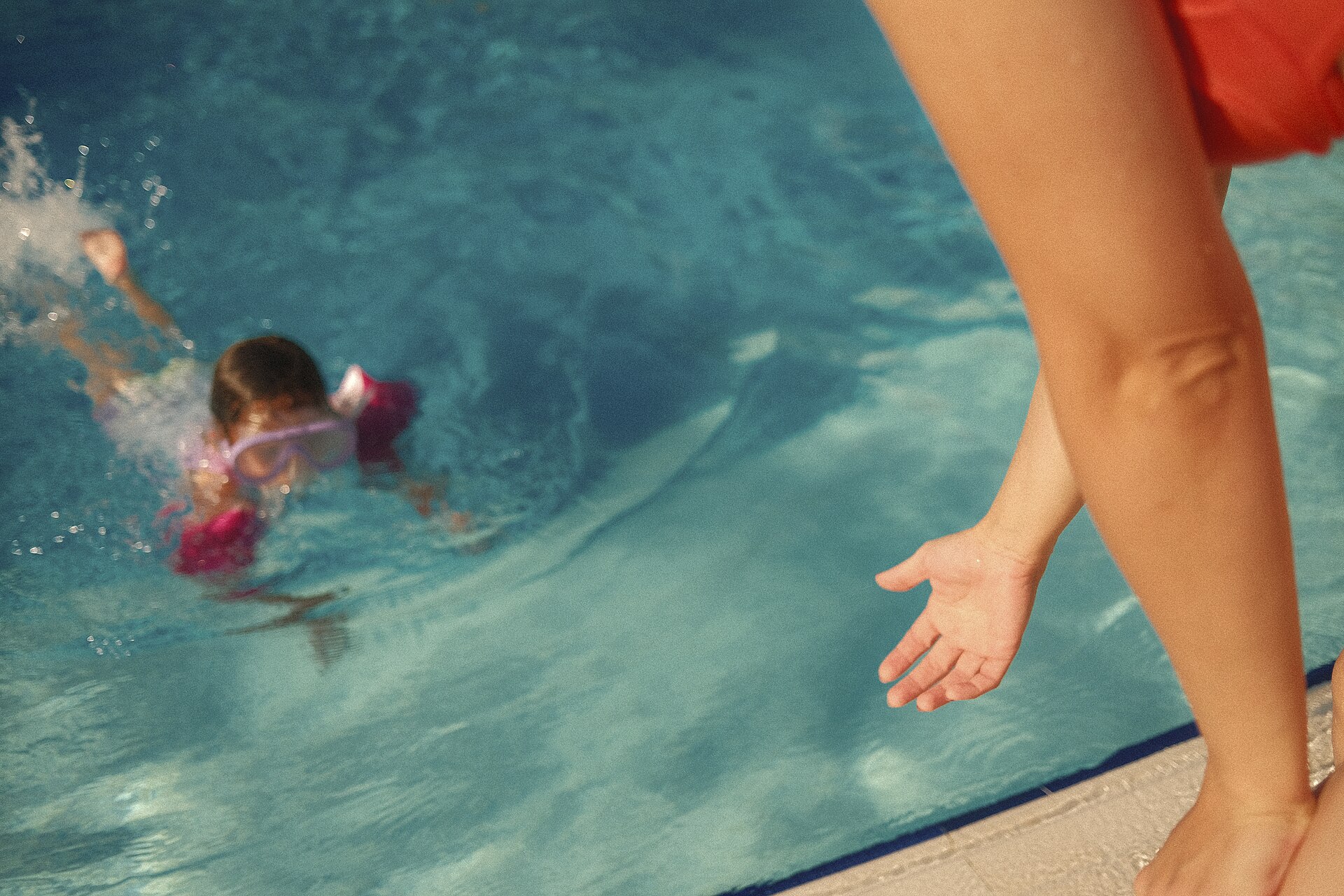
Swimming consistently comes out on top. The moist, warm air at pool level helps keep airways open, and the horizontal body position combined with rhythmic breathing patterns can actually help train breath control. Research on swim training in children with stable asthma has shown it’s well tolerated and can improve fitness and lung function over time. One caveat: heavily chlorinated indoor pools can irritate some kids’ airways, so well-ventilated facilities or saltwater pools are worth seeking out if chlorine seems to be a trigger.
Walking and hiking are excellent low-pressure options, since pace can be adjusted on the fly and there’s no need for sudden bursts of sprinting. Baseball and softball are also asthma-friendly because they naturally build in rest between innings and at-bats rather than requiring continuous cardio output.
Gymnastics and martial arts (such as karate or taekwondo) are frequently recommended too. Both emphasize controlled breathing, pacing, and short bursts of exertion followed by recovery — a pattern that’s much easier on sensitive airways than nonstop running.
Sports That Need Extra Precautions
Cold-weather, high-endurance sports are the ones most associated with triggering symptoms. Ice hockey, ice skating, and snowboarding combine cold air with sustained exertion — a combination that’s hard on the lungs because dry air (more than cold air itself, according to more recent research) tends to be the bigger trigger for exercise-induced bronchoconstriction. Long-distance running, basketball, and soccer also carry higher risk simply because they demand continuous movement with few natural breaks.
None of this means these sports are off-limits. Many elite athletes, including Olympians, compete at the highest level with asthma. It just means these activities call for a solid management plan: using a prescribed quick-relief inhaler 15-20 minutes before activity, a proper warm-up, and close coordination with a pediatrician or pulmonologist on medication timing.

Tips for Keeping Young Athletes Safe
Warm up properly. A 5-10 minute warm-up — starting with slow walking and gradually building intensity — helps prepare the airways for harder exercise and can reduce the odds of a flare-up.
Keep quick-relief medication on hand at every practice and game, and make sure coaches and any caregivers know the child’s asthma action plan and warning signs.
Watch the environment, not just the sport. High pollen counts, poor air quality days, and very cold or dry air can all make any activity riskier, regardless of which sport it is.
Don’t skip the follow-up. If a child is having frequent symptoms during sports despite using their inhaler as directed, that’s a sign asthma control needs to be reassessed with their doctor, not a sign they need to quit the sport.
Explore more: More youth sports guides.
Best Sports for Kids with Asthma FAQs
Can a child with asthma play any sport they want?
In most cases, yes — with well-managed asthma and a proper action plan, kids can participate in nearly any sport, including cold-weather and endurance sports. Some sports are simply easier on the airways than others, which is why swimming and lower-continuous-exertion activities are often recommended as a starting point.
Why is swimming so often recommended for asthmatic kids?
The warm, humid air around a pool is easier on the airways than the cold, dry air associated with many outdoor and indoor sports, which lowers the chance of triggering exercise-induced bronchoconstriction.
Should my child use their inhaler before playing sports even if they feel fine?
If a doctor has prescribed a quick-relief inhaler for exercise-induced symptoms, it’s typically used 15-20 minutes before activity as a preventive step, not just after symptoms start. Follow your child’s specific asthma action plan.
Are cold-weather sports really off-limits for kids with asthma?
Not necessarily off-limits, but they do require more precaution. Cold, dry air is a common trigger, so sports like ice hockey or ice skating may need extra warm-up time, indoor conditioning, and closer medication management.
Level Up With SportsSteps
Track your athlete’s progress, connect with coaches and your team, and grow — get the SportsSteps app. Get the SportsSteps App.
Want training tips and sports news in your inbox? Subscribe to the free newsletter.
Photo: Flickr.com user “brokenchopstick” / CC BY 2.0, via Wikimedia Commons.