
Eating like an athlete sounds expensive — grass-fed everything, powders in tubs the size of paint cans, pre-made meals shipped in coolers. But the training-fueling basics that actually matter — enough protein, steady carbs, and consistent meal timing — don’t require a premium budget. They require a plan.
This guide breaks down how to hit your protein and energy needs on a normal grocery budget, which foods give you the most nutrition per dollar, and how to avoid the common traps that make athletes overspend without actually eating better.
Quick Answer
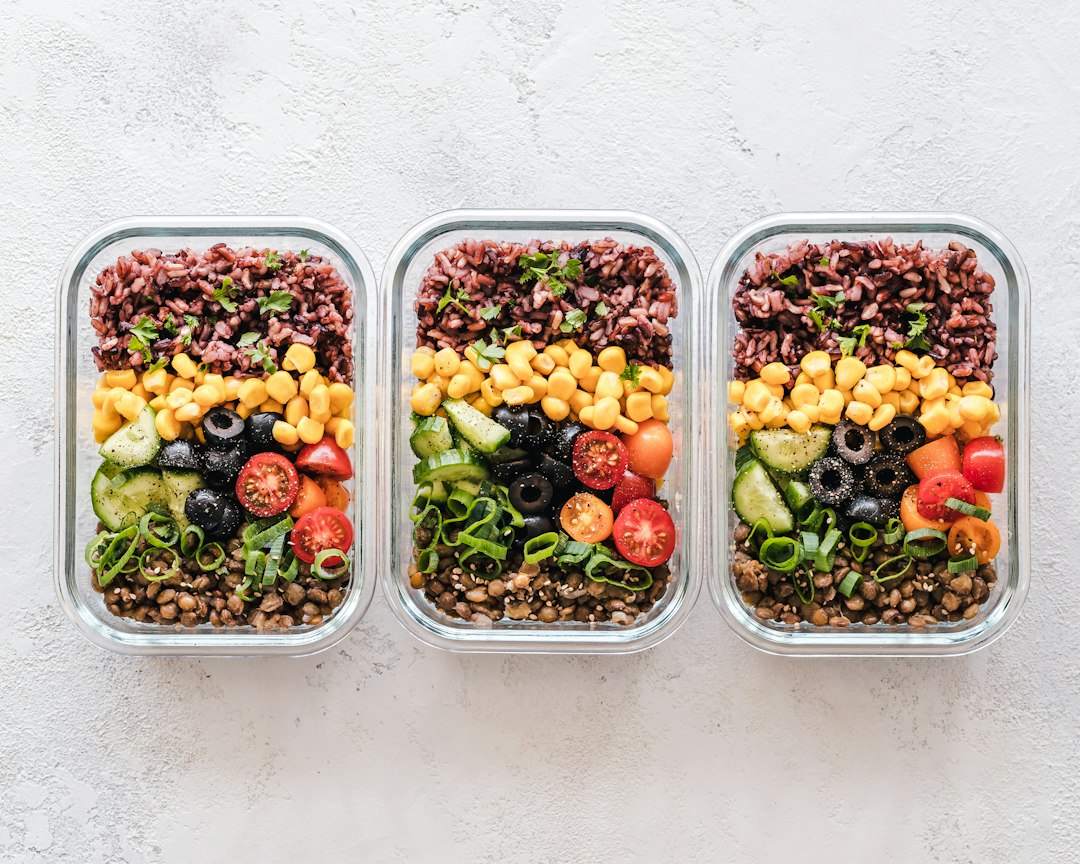
Build meals around affordable staple proteins (eggs, canned tuna, chicken thighs, cottage cheese, beans, and lentils), bulk carbs (rice, oats, potatoes, frozen fruit and vegetables), and buy in larger quantities when prices are good. Skip most powders and bars — whole food covers the same nutrient needs for less money, and meal prepping in batches cuts both cost and the temptation to buy convenience food.
How Much Protein You Actually Need (and Where to Get It Cheap)
Sports nutrition research, including the International Society of Sports Nutrition’s position stand on protein, points most exercising people toward roughly 1.4 to 2.0 grams of protein per kilogram of body weight per day, with higher intakes sometimes used by resistance-trained athletes during harder cutting phases. That’s a range, not a precise target — the goal is to land somewhere in it consistently, not hit a specific number every day.
The cheapest way to get there is to build meals around a small rotation of staple proteins rather than chasing variety for its own sake. Eggs are consistently one of the least expensive complete-protein sources around, and they cook in minutes. Canned tuna and other canned fish need no prep and store in the pantry. Chicken thighs are generally cheaper per pound than chicken breast and work in almost any recipe. Cottage cheese and plain Greek yogurt deliver a lot of protein per container relative to cost. On the plant side, dried beans and lentils are among the cheapest protein sources per serving when bought dry and cooked in batches — pair them with rice or another grain so you’re covering a fuller range of amino acids.
Protein powder isn’t required. It’s a convenience product, not a magic nutrient — useful if you genuinely can’t eat enough whole food in a day, but not a shortcut that outperforms food dollar-for-dollar.
Keep your family's sports schedule and progress in one place. Create a free account →
Carbs, Fats, and Building a Budget Training Plate
Carbohydrates are what actually fuel most training sessions, and the cheapest reliable sources are the ones that store well: rice, oats, potatoes, whole-grain pasta, and canned or frozen fruit and vegetables. Frozen produce is nutritionally comparable to fresh in most cases and avoids the waste that comes from fresh vegetables going bad before you use them — a real cost saver over a month.
A simple way to build a training plate without overthinking it: a palm-to-fist-sized portion of a protein staple, a cupped-hand or larger portion of a carb staple, and whatever vegetables are cheapest that week, with a thumb or two of a fat source like olive oil, peanut butter, or nuts. Repeating a small set of meals across the week — rather than planning a new recipe every night — is one of the biggest cost levers available, because it lets you buy ingredients in bulk and reduces food waste.
Buying staples in bulk when they’re on sale (rice, oats, canned goods, frozen vegetables) and freezing proteins like chicken or ground meat in portioned bags also smooths out week-to-week grocery costs.
Tips / Common Mistakes
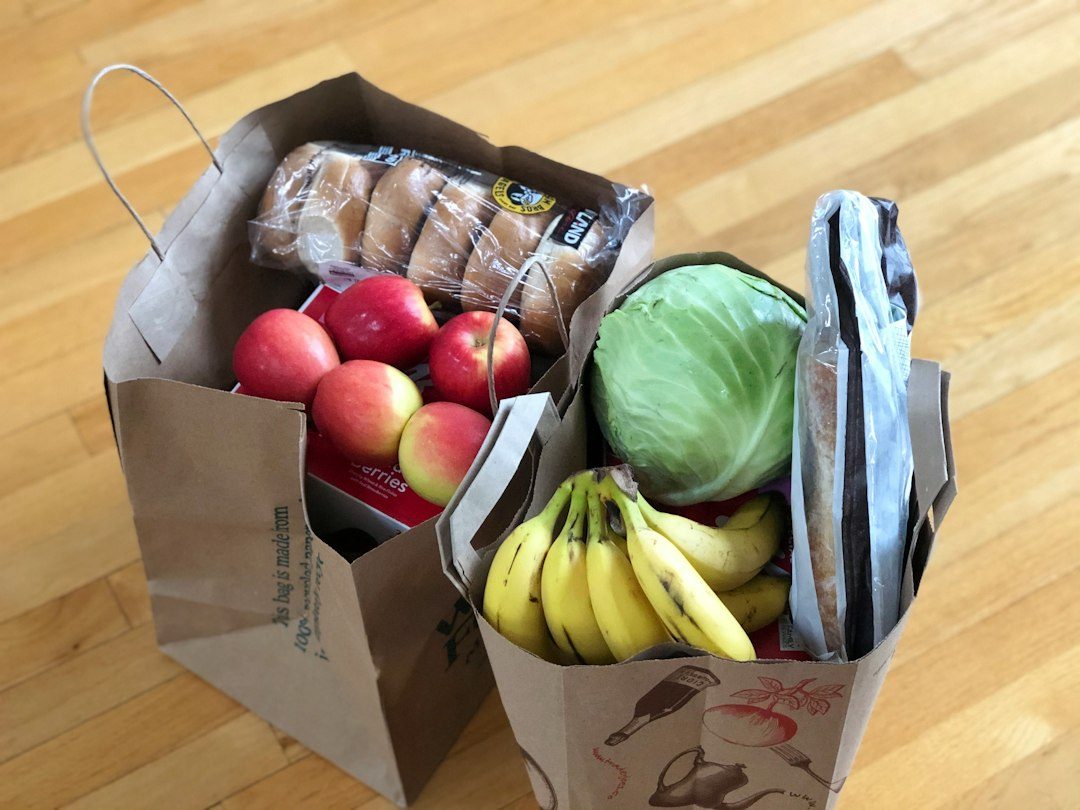
The biggest budget leak for athletes is usually supplements and convenience food, not whole groceries — protein bars, ready-made shakes, and specialty ‘performance’ snacks carry a premium for something a banana, a sandwich, or a yogurt cup can cover for less. Save supplements for situations where whole food genuinely isn’t practical, like right after a session when you’re heading straight to another commitment.
Another common mistake is treating meal prep as all-or-nothing. You don’t need to prep every meal for the week to benefit — even prepping proteins and grains in bulk twice a week, then combining them with whatever vegetables are cheap that day, cuts cost and decision fatigue.
Finally, don’t under-eat to save money. Athletes who chronically underfuel tend to see it show up as fatigue, slower recovery, and worse training adaptation — which costs more in missed progress than the extra groceries would have cost in the first place.
Explore more: more athlete development guides.
Sports Nutrition on a Budget FAQs
Can you really eat like an athlete on a tight budget?
Yes. The nutrients that matter most for training — adequate protein, enough carbohydrate, and consistent meals — come from affordable staples like eggs, beans, rice, oats, and frozen produce. Expensive specialty products aren’t required to hit those targets.
Do athletes need protein powder?
No. Protein powder is a convenience option, not a necessity. Whole foods like eggs, dairy, canned fish, and legumes can cover the same protein needs, usually for less money per gram of protein.
What’s the cheapest way to get enough protein as an athlete?
Build meals around a rotation of a few affordable staples — eggs, canned tuna, chicken thighs, cottage cheese, and dried beans or lentils — rather than buying a wide variety of pricier cuts and products.
How can meal prep save money for athletes?
Prepping proteins and grains in batches reduces food waste, discourages last-minute takeout or convenience-food purchases, and lets you buy staple ingredients in bulk when they’re cheapest.
Level Up With SportsSteps
Keep your family's sports schedule and progress in one place
Every kid, every sport, every season — practices, games, and progress together. Free on web, iPhone, and Android.
Create a free accountFor families, athletes, coaches & clubs
Want training tips and sports news in your inbox? Subscribe to the free newsletter.
Photo by Ella Olsson on Unsplash.