
“Mental toughness” gets thrown around a lot in sports, but it isn’t some fixed trait you either have or don’t — it’s a set of skills that get built through repetition, the same way a jump shot or a first step gets built.
This guide walks through the specific drills coaches and sport psychologists actually use with athletes: breathing control, cue-word self-talk, visualization, pre-performance routines, and controlled-discomfort training. No vague pep talks — just the mechanics you can start practicing this week.
Quick Answer
Mental toughness training comes down to a handful of repeatable drills: a breathing technique to control arousal (like box breathing), a short self-talk cue to redirect focus after a mistake, visualization to mentally rehearse the performance before it happens, a consistent pre-performance routine, and practice reps done under deliberate fatigue or distraction so competition pressure feels familiar instead of new.
6 Drills Athletes Actually Use
Box breathing for arousal control. Inhale for four counts, hold for four, exhale for four, hold for four, and repeat for 60-90 seconds. It’s used before free throws, serves, lifts, and between innings because it slows the heart rate and pulls attention back to something controllable right when nerves spike. Athletes practice it in low-stakes moments first — between drills in practice — so it’s automatic by the time they need it in a game.
Cue-word self-talk. Instead of trying to ‘think positive,’ athletes pick one or two short, specific words tied to the next action — ‘soft hands,’ ‘drive,’ ‘next pitch’ — and say them internally (or out loud) after a mistake or a big moment. The point isn’t motivation, it’s interrupting the spiral of frustration and replacing it with an instruction the body can act on immediately.
Visualization / mental rehearsal. This means closing your eyes and running through an upcoming performance in specific sensory detail — the feel of the equipment, the sound of the crowd, the sequence of movements — not just imagining a win. Many athletes do this the night before competition and again a few minutes before it starts, rehearsing both the routine and how they’ll respond if something goes wrong.
A fixed pre-performance routine. This is the same sequence of physical and mental steps done before every free throw, serve, or at-bat, regardless of the score or situation. The routine itself doesn’t have to be complicated — a breath, a cue word, a physical trigger like bouncing the ball twice — but doing it identically every time gives the brain a familiar anchor under pressure.
Process goals instead of outcome goals. Athletes who focus only on winning or a final stat line tend to tighten up under pressure. Shifting the target to something controllable in the moment — footwork on this rep, first move off the line, tempo on this breath — keeps attention on what can actually be executed right now instead of on the scoreboard.
Deliberate discomfort in practice (stress inoculation). Coaches build pressure into training on purpose: sprints at the end of a long practice before a free-throw drill, scrimmages with a manufactured scoreboard deficit, or drills with added noise and distraction. The goal is for the first time an athlete feels real fatigue or pressure to be in practice, not in competition, so the sensation is familiar instead of alarming.
Building a Weekly Mental Toughness Routine
These drills work best stacked together rather than used in isolation. A simple structure: pick one cue word and one breathing pattern and use them in every practice rep for a few weeks until they’re automatic. Add a 5-10 minute visualization session the night before competition. Build the pre-performance routine during low-pressure reps in practice so it’s already a habit by game day. Then, once or twice a week, have a coach or training partner add a fatigue or distraction element to a normally ‘easy’ drill.
Keep a short training log — a sentence or two after practice or competition on what triggered a mental slip and which tool (cue word, breath, routine) actually helped bring focus back. Over a few weeks this turns vague ‘be mentally tougher’ advice into a specific, personalized toolkit.
Tips / Common Mistakes
Don’t wait until competition to try a new mental skill for the first time — rehearse breathing, cue words, and the pre-performance routine in low-stakes practice reps until they’re boring and automatic.
Don’t confuse mental toughness with suppressing emotion. The goal of these drills is to notice frustration, fatigue, or nerves quickly and have a specific next step, not to pretend they aren’t there.
Keep cue words short and action-based rather than abstract. ‘Believe in yourself’ is harder to execute under pressure than ‘soft hands’ or ‘next play.’
Pair discomfort training with recovery and honest feedback. The point of practicing under fatigue or pressure is to build familiarity, not to run athletes into the ground — overdoing it without recovery tends to backfire.
Explore more: More athlete development training guides.
Mental toughness training for athletes FAQs
What is the single best mental toughness drill for a beginner?
Box breathing is usually the easiest starting point — it’s simple to teach, works in almost any sport, and gives an athlete an immediate, physical tool for managing nerves before layering on cue words or visualization.
How long does it take to build mental toughness through these drills?
There’s no fixed timeline, but most athletes notice a drill becoming automatic after a few weeks of consistent use in practice. The key is repetition in low-pressure settings first, not a single big effort before a competition.
Can young athletes use these same techniques?
Yes — breathing, cue words, and simple pre-performance routines are commonly used with youth athletes too. Keep the language concrete and the routine short, and introduce one tool at a time rather than all of them at once.
Level Up With SportsSteps
Track your athlete’s progress, connect with coaches and your team, and grow — get the SportsSteps app. Get the SportsSteps App.
Want training tips and sports news in your inbox? Subscribe to the free newsletter.
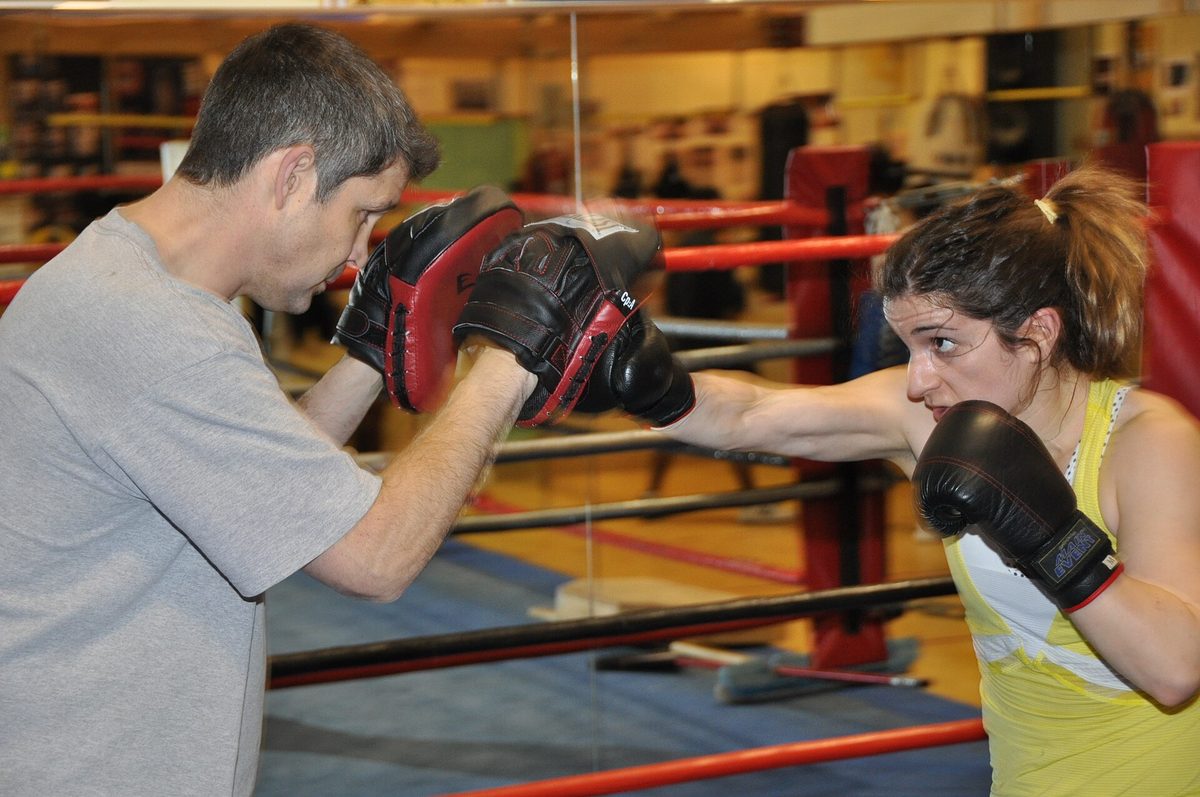
Photo: antjeverena / CC BY-SA 2.0, via Wikimedia Commons.