
You can still hit the same paces, lift the same weights, and chase the same goals after 40 — but the way your body bounces back from hard training sessions is genuinely different than it was in your 20s and 30s. Ignoring that shift is one of the most common ways masters athletes end up injured, burned out, or stuck in a plateau.
This guide breaks down what actually changes physiologically as you age past 40, and gives you practical, evidence-informed adjustments to your training schedule, sleep, and nutrition so recovery stops being the bottleneck.

Quick Answer
After 40, recovery from hard training generally takes longer — often stretching from a 24-36 hour window in younger athletes to 48-72 hours or more. The main fixes are spacing hard sessions further apart (a hard/easy/easy/hard pattern), prioritizing 7-9 hours of sleep, spreading protein intake across the day rather than simply eating more of it, and lengthening your warm-up since connective tissue is less elastic than it used to be.
What Actually Changes Physiologically After 40
Several overlapping changes explain why a masters athlete feels more beat up after the same workout that used to be routine. Inflammation from hard efforts resolves more slowly, so muscle soreness and stiffness can linger well past the point where a younger athlete has bounced back. The anabolic response to training — the hormonal and cellular signaling that drives muscle repair and growth — also becomes blunted with age, meaning the same stimulus produces a smaller repair response unless nutrition and rest support it properly.
Sleep architecture shifts too. Older adults spend less time in deep sleep and experience more fragmented sleep, and deep sleep is exactly when growth hormone release and tissue repair are concentrated. Tendons and ligaments also lose some elasticity with age, which raises injury risk if you skip a proper warm-up. None of this means you’re in decline — it means the recovery system needs more deliberate support than it did before.
How to Adjust Your Training and Recovery Routine
Space out your hard efforts. Instead of stacking quality sessions back-to-back, use a hard/easy/easy/hard rhythm so each demanding workout gets a real 48-72 hour recovery window before the next one. This is the single biggest lever masters athletes have, and it usually means training smarter, not less.
Spread your protein out, rather than assuming you need much more of it. Research on trained masters athletes has found their protein metabolism and requirements are broadly similar to those of younger trained athletes — the idea that aging muscle needs a dramatically bigger dose to trigger repair mostly applies to sedentary older adults, not people who train regularly. What still helps at any age is distributing protein across four to five meals a day instead of loading it into one or two big meals, plus a slow-digesting protein source before bed to support overnight repair.
Protect your sleep like it’s part of training. Adults over 40 still need 7-9 hours a night, and consistent sleep timing matters as much as total hours since fragmented sleep blunts the hormonal signals — growth hormone and testosterone among them — that drive tissue repair.
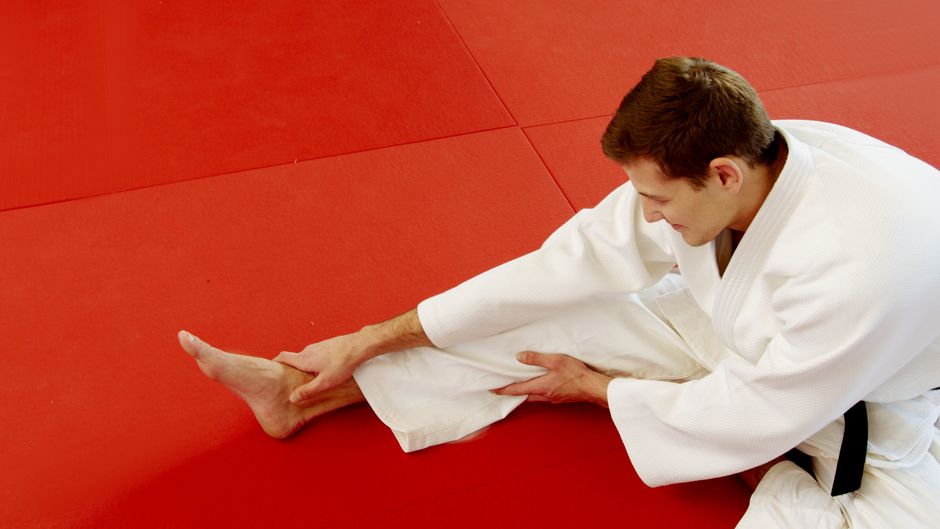
Lengthen your warm-up and keep lifting. A slower, more thorough 10-15 minute warm-up that raises core temperature and mobilizes joints matters more than it used to, since older muscles and tendons are stiffer and need more prep to move through a full range of motion safely. Two short strength sessions a week focused on full-body compound movements also help maintain tendon stiffness and supportive muscle, which reduces overall injury risk.
Tips / Common Mistakes
The most common mistake is training on a 25-year-old’s recovery schedule and wondering why nagging injuries keep showing up. A close second is skipping the warm-up because you’re short on time — that’s exactly when older connective tissue gets hurt. Also watch for chronically under-eating protein at breakfast and lunch, then trying to make up for it with one big dinner; spreading intake out matters more than simply eating more overall. Finally, don’t treat sleep as flexible — cutting it short to fit in an extra session usually costs you more adaptation than it gains, since that’s when the bulk of muscle and connective tissue repair happens.
Explore more: More athlete development guides.
Masters athlete recovery after 40 FAQs
How much extra recovery time do masters athletes actually need?
It varies by individual and training history, but many masters athletes need roughly 48-72 hours to fully recover from a hard session, compared to 24-36 hours for younger athletes. Well-trained masters athletes who stay consistent with strength work often recover faster than less-conditioned peers of the same age.
Should athletes over 40 eat more protein?
Not necessarily more overall. Research on trained masters athletes shows their protein metabolism and requirements are similar to younger trained athletes, so the common advice that aging muscle needs a much bigger dose mainly applies to sedentary older adults. What matters more is distribution: spreading protein across four to five meals a day, including a serving before bed, tends to support recovery better than concentrating it in one or two large meals.
Does strength training help recovery for masters athletes?
Yes. Regular strength training helps maintain tendon stiffness and builds supportive muscle around joints, which reduces strain on aging connective tissue and lowers injury risk, making it easier to recover consistently between harder training sessions.
Level Up With SportsSteps
Track your athlete’s progress, connect with coaches and your team, and grow — get the SportsSteps app. Get the SportsSteps App.
Want training tips and sports news in your inbox? Subscribe to the free newsletter.
Photo by Andrea Piacquadio on Pexels.